Entertainment · Books & Arts · 12 hrs ago
Maryam Aslany’s book traces peasant history and its relevance today
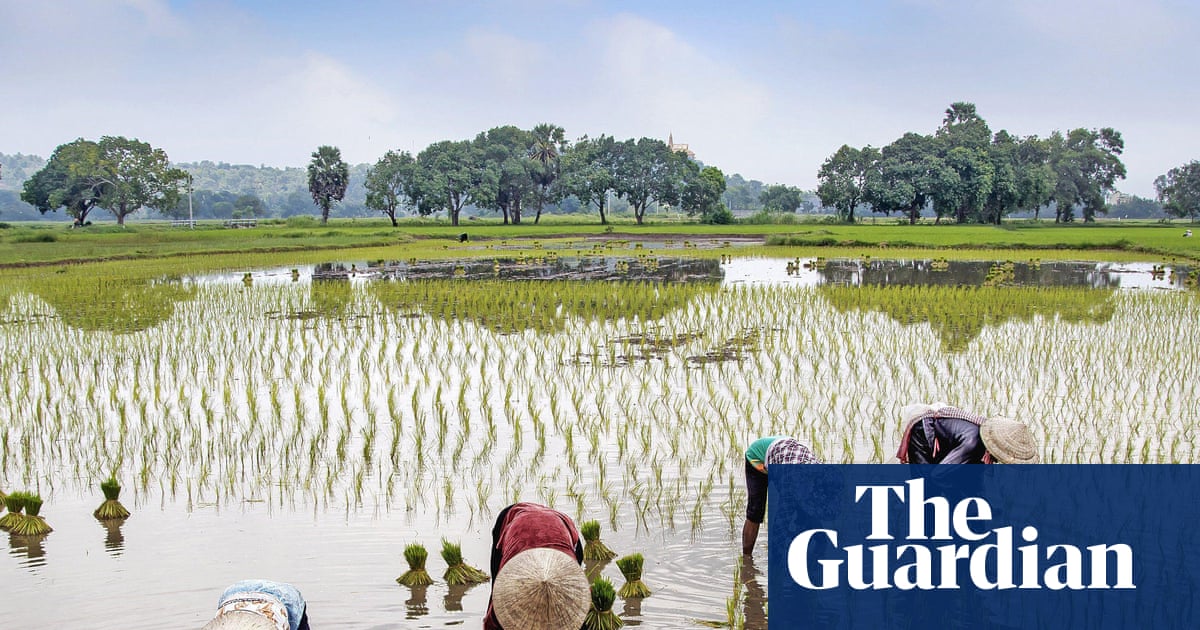
Maryam Aslany’s book looks at the history of peasants and their place in the modern world.
It draws on four years she spent living with and talking to farming families in India, Cambodia, Peru and Ghana.
The book challenges the idea that societies must leave peasant life behind to become modern.
For much of history, peasant farming sustained large empires, but governments and conflicts have also brought severe harm to peasant communities.
Today, farmers produce valuable crops while often missing out on the profits, and they face climate-related pressures such as droughts and floods.
In India’s Maharashtra state, Aslany describes cotton farmers turning to sugarcane, while processors use the crop’s short harvest window to pay them less.

Maryam Aslany’s book Peasants examines peasant history and challenges the idea that their decline is necessary for modernity.
The book combines a global history of peasants with Aslany’s account of four years spent travelling and living with peasant families.
The Guardian review says agrarian empires relied on peasant farming for more than 2,000 years.
It describes a long, undeclared war on peasants during the last century, including collectivisation in the Soviet Union and violence in Cambodia.
The review says contemporary peasants face climate-related pressures and often receive little of the profits from the commodities they produce.
- Who
- Maryam Aslany, author of Peasants.
- What
- Her book traces peasant history and questions whether the decline of peasant societies is necessary for modernity.
- When
- The Guardian review was published on 12 October 2026.
- Where
- Aslany travelled in India, Cambodia, Peru and Ghana; the book discusses peasant societies globally.
- Why
- Aslany aims to challenge the notion that the decline of the peasantry is necessary for becoming modern.
Aslany
Proponents of capitalist modernity
Modernity
Aslany
Aslany challenges the idea that the decline of the peasantry is necessary for becoming modern.
Proponents of capitalist modernity
They argued that peasants stood in the way of progress.
Peasants’ place in society
Aslany
Aslany’s book presents peasant civilisations as having thrived and endured.
Proponents of capitalist modernity
Voltaire viewed peasants as obstacles to enlightenment, while Marx regarded them as a reactionary element within capitalism.
we became modern by expelling the peasant parts of ourselves
Agrarian empires became the common form of large-scale human society, sustained by peasant farming.
The Qing dynasty fell, ending more than 2,000 years of Chinese imperial rule built on peasant farming.
Peasants faced violence and upheaval, including collectivisation in the Soviet Union and conflict in Cambodia.
Many decolonised countries in debt introduced market discipline into their agrarian economies as a condition of receiving foreign capital.
- Author
- Maryam Aslany
- Book
- Peasants
- Travel
- Four years in India, Cambodia, Peru and Ghana
- Chinese empire
- Built on peasant farming until the Qing dynasty fell in 1912
- Review publication
- The Guardian, 12 October 2026
Sources
Related news

Sacha Baron Cohen to star in Tarantino’s first West End play

Rosana Paulino honored in New York for work challenging scientific racism

Regina Duarte criticizes Lula stickers placed over her theatre poster
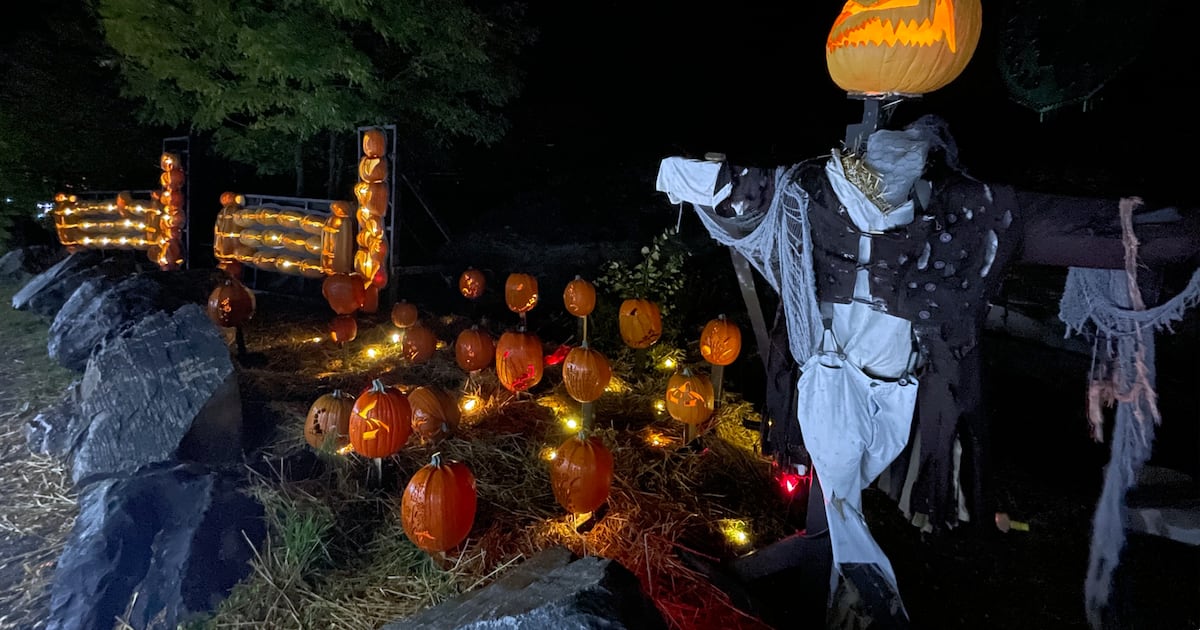
Pumpkinferno returns to Dynamic Earth with more than 7,000 pumpkins

Tarek Atoui fills Tate Modern’s Turbine Hall with sound and sculpture

Frieze London grows to 176 galleries from 43 countries

HBO is developing an eight-episode Crazy Rich Asians series

Two galleries will pair works by Leonora Carrington and Cecilia Vicuña

London gallery shows share an uncanny quality

Anne Carson wins 2026 Nobel Prize in Literature
Sacha Baron Cohen to star in Tarantino’s first stage play