

Politics · Russia · 2 days ago
Yakutia official calls for jobs and services to keep workers in Arctic regions

Yakutia’s employment chief, Svetlana Goryushinskaya, says Arctic employers and regional planners should coordinate their plans to keep workers in the region.
She says companies should align recruitment and training with plans to develop local services and infrastructure.
Over the past five years, the population of 13 Arctic regions fell by 5.6%, while the number of people below working age fell by 8.7%.
Goryushinskaya also called for schools to introduce career training, workplace visits and summer jobs linked to local employers.
Yakutia Governor Aisen Nikolaev said shift work is needed for some major projects but should not be the answer to every staffing challenge.
The aim, he said, is to build communities where people settle, rather than leave the North as a place used mainly for production.
The Northern Forum conference in Yakutsk, focused on developing people and skills, is scheduled to run through October 10.

Yakutia’s employment chief, Svetlana Goryushinskaya, said employers should help make Arctic workers permanent residents rather than treating the region as a temporary workplace.
She called for companies’ workforce programs to be coordinated with Arctic development plans and investment in local social infrastructure.
Goryushinskaya said training for sought-after jobs should begin in secondary school, including through specialist classes and summer employment.
The population of 13 Arctic regions fell by 5.6% over five years, while the population below working age declined by 8.7%.
Yakutia Governor Aisen Nikolaev said shift work is necessary for some large projects but should not be a universal solution.
- Who
- Svetlana Goryushinskaya, chairperson of Yakutia’s State Committee for Employment, urged employers to help retain Arctic workers.
- What
- She called for coordinated corporate and regional plans, stronger social infrastructure and earlier job training.
- When
- She made the remarks at a conference running from October 7 to 10; the article was published October 9, 2026.
- Where
- At the 7th Arctic Vector conference in Yakutsk.
- Why
- Arctic regions are losing and aging population, and authorities want workers to settle there permanently.
This story does not have two clearly opposing sides.
It is important to create conditions for specialists so that they became permanent residents of the Arctic regions, rather than considered the Arctic a temporary place of work.
The shift model is objectively necessary for a number of big projects, but it should not become a universal solution to all challenges.
The population of 13 Arctic regions decreased by 5.6%, and the population under working age decreased by 8.7%.
The 7th Arctic Vector conference was held in Yakutsk.
TASS published Goryushinskaya’s remarks on retaining Arctic workers.
- Population decline
- 5.6% across 13 Arctic regions over five years
- Working-age trend
- Population under working age fell by 8.7% over five years
- Conference
- 7th Arctic Vector, Yakutsk, October 7–10
- Conference participation
- Participants from 20 Russian regions and 12 countries
Sources

Related news

Putin to attend cybersecurity meeting next week

Volodin says agriculture is key to Russia’s food security

United Russia proposes rules for using state data to train AI
Yabloko chairman fined for writing anti-war messages on ballots
Poll puts trust in Putin at 72.5% among Russians surveyed
St. Petersburg Court Fines Yabloko Leader for Anti-War Ballot Slogans

Medvedev says no one will support Germany’s Merz in a difficult moment
Restrictions lifted at three Moscow-area airports
Russia adds four people and an online resource to foreign agents list
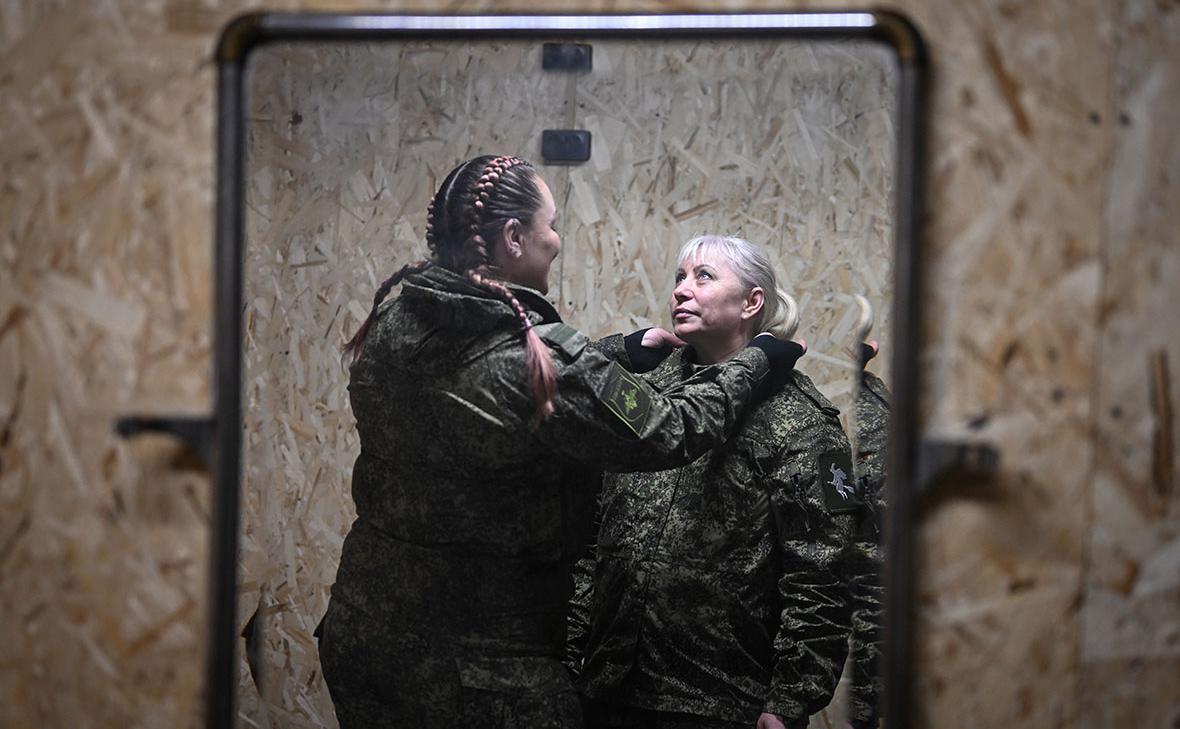
Defense ministry says proposed service extension would protect women’s pension rights

Moscow court rejects house arrest for investigator in missing-jewelry case