

Business · Markets · 23 hrs ago
Guangzhou and Shanghai propose rules to renew commercial land leases
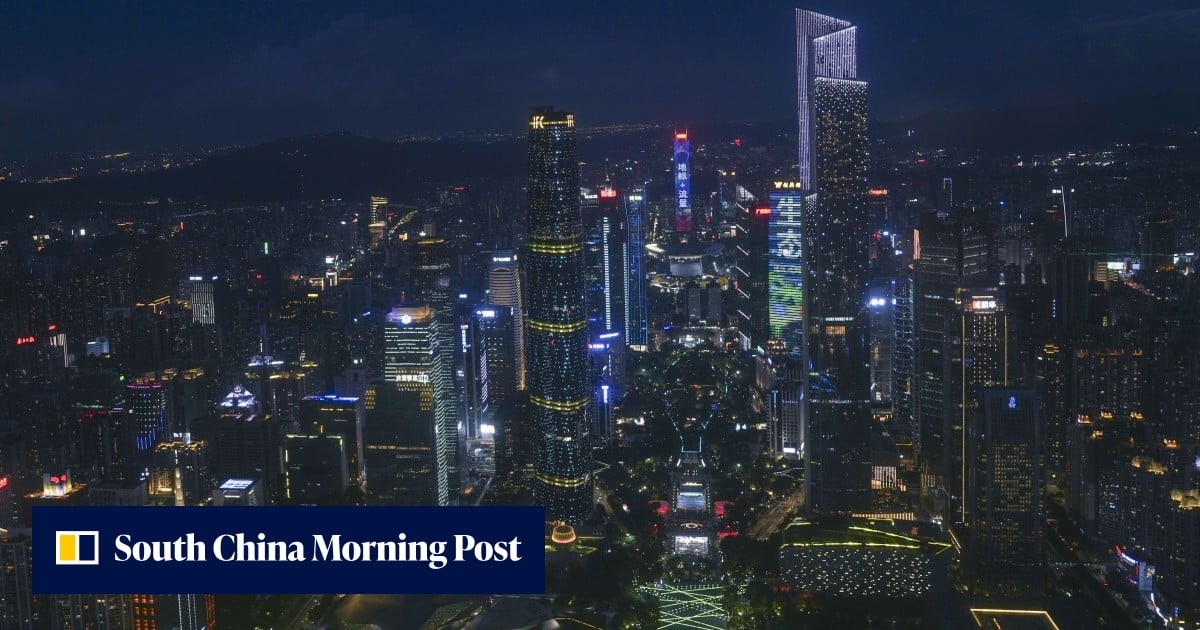
China is working to revive its real estate industry, and uncertainty over expiring land-use rights has worried investors in commercial property.
Leases on land worth more than US$14 billion are due to expire within the next 20 years.
Guangzhou and Shanghai have announced new rules for renewing land-use rights for commercial and industrial sites.
The rules are intended to address gaps in how expired rights are handled.
Officials and analysts say clearer renewal terms could help stabilise the commercial property market and support investor confidence.
The policies may also make it easier for developers to issue real estate investment trusts, which can help them raise funds.
The announcements mark a step toward resolving the issue, but no further timeline or details are given.

Guangzhou and Shanghai have proposed rules for renewing commercial and industrial land-use rights.
The policies aim to address gaps in regulations for renewing expired non-residential land-use rights.
Officials and analysts say the plans could support confidence in China’s commercial property market.
The rules could also help developers issue exchange-traded real estate investment trusts.
Leases on more than US$14 billion of land are due to expire within 20 years.
- Who
- Guangzhou and Shanghai proposed the rules.
- What
- They proposed plans to renew commercial and industrial land-use rights.
- When
- The policies were recently announced; the article was published on October 11, 2026.
- Where
- Guangzhou and Shanghai, China.
- Why
- To address regulatory gaps around expired non-residential land-use rights and support the property market and investor confidence.
This story does not have two clearly opposing sides.
The policies effectively address the regulatory loopholes regarding the renewal of expired non-residential land-use rights.
This story does not have a timeline yet.
- Cities
- Guangzhou and Shanghai
- Land value
- More than US$14 billion
- Expiry period
- Within 20 years
- Article publication
- October 11, 2026
Sources
Related news

Hong Kong urged to ease listing rules to attract start-ups and angel funds
Laopu Gold leases an entire floor at Hong Kong’s One Exchange Square
China and EU agree to cut hybrid car exports by more than half

Volvo to distribute Lynk & Co cars in Europe, aiming to boost dealer profits
Huawei’s European-style Chinese campus supports 25,000 R&D staff

EU reaches deal to protect hybrid-car sector from Chinese imports

Chinese investment grows as African lithium production expands

EU says China will moderate hybrid car exports to Europe
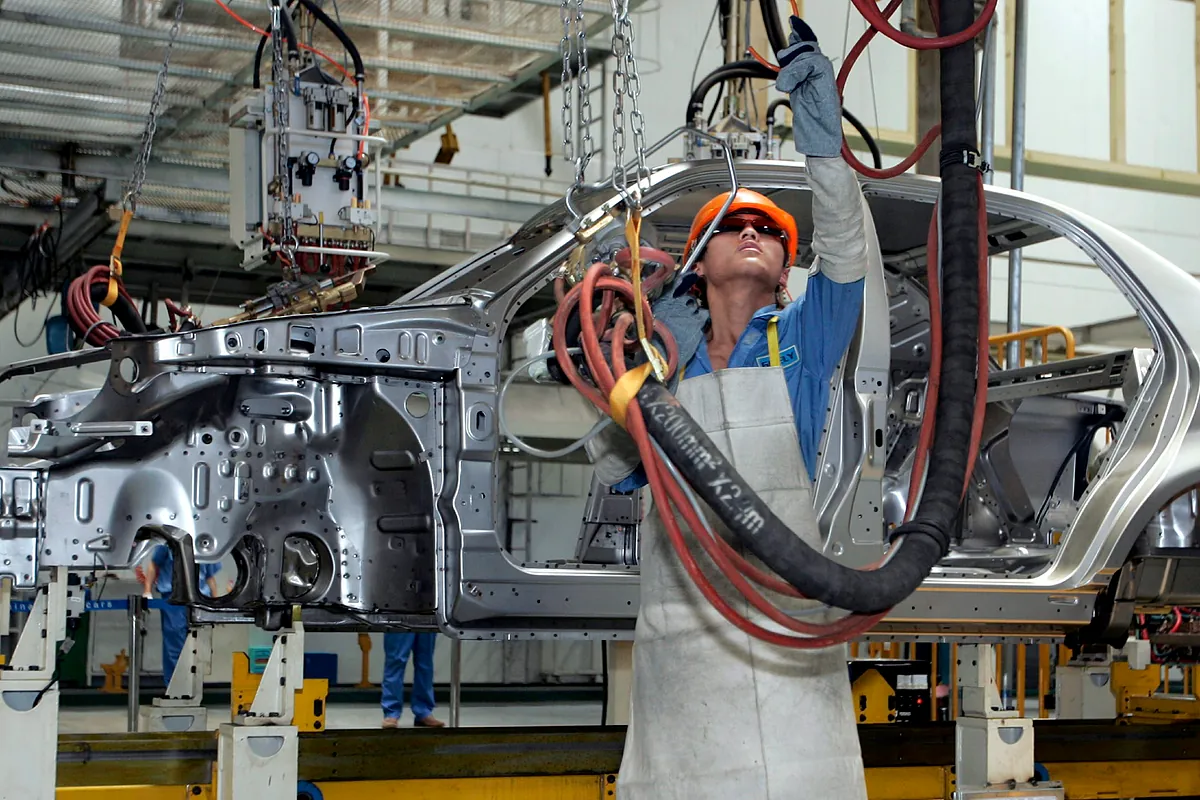
China adds 10.52 million urban jobs in first nine months of 2026
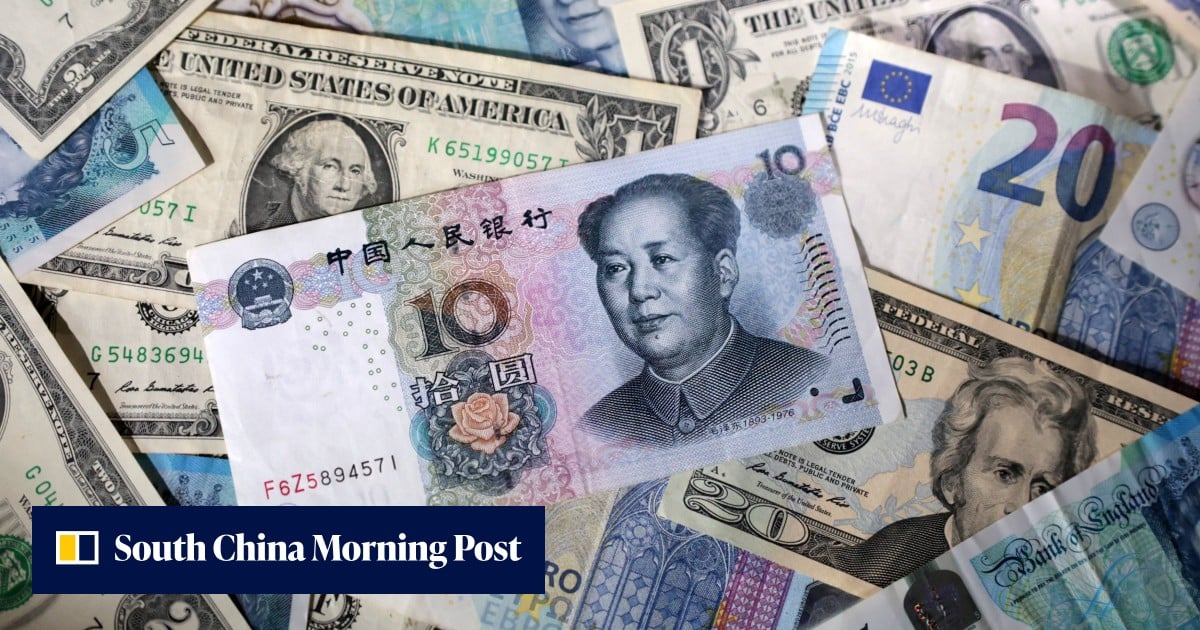
China’s central bank rejects claims it keeps the yuan weak for trade

EU and China reach understanding to cut hybrid car exports by more than half
