

Health · Public Health & Disease · 16 hrs ago
Bat bites and scratches rise sharply across parts of NSW

NSW Health recorded 43 people bitten or scratched by bats in two weeks, from 28 September to 10 October, compared with 10 in the same period last year.
The incidents were reported across parts of coastal New South Wales, including Hunter New England, the Central Coast, the Mid North Coast and Northern NSW.
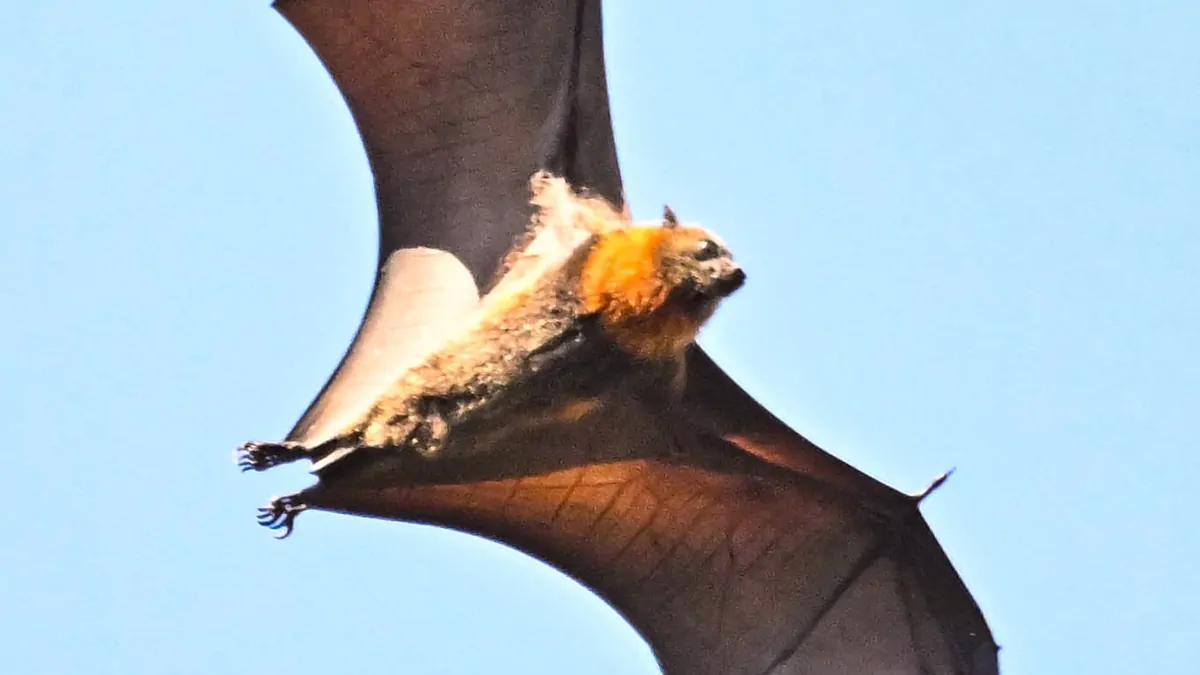
Health officials say any bat could carry Australian bat lyssavirus, a virus related to rabies that can be very dangerous to people.
The virus is rarely transmitted to humans, but there is no effective treatment once symptoms begin.
Food shortages are keeping flying foxes in trees during the day, increasing the chance people may encounter them; this is happening along the eastern coast from the Clarence Valley to the South Coast.
People should never touch a bat, including one that is injured or in distress, and should contact a wildlife rescue group instead.
Anyone bitten or scratched should wash the wound with soap and water for 15 minutes, apply an antiviral antiseptic and seek urgent medical advice about post-exposure treatment.
Bat activity is expected to return to normal when food supplies improve, depending on seasonal conditions.

NSW Health said 43 people were assessed after bat bites or scratches in the two weeks from 28 September to 10 October 2026.
That was a sharp rise from 10 reported cases during the same period in 2025.
Authorities urged people not to touch bats because they may carry Australian bat lyssavirus, which can be fatal after symptoms begin.
The increase was reported in coastal areas, while the NSW environment department linked increased flying-fox activity to food shortages.
People bitten or scratched should wash the wound with soap and water for 15 minutes and seek urgent medical advice.
- Who
- NSW residents were assessed after being bitten or scratched by bats; health authorities issued the warning.
- What
- There were 43 assessments for bat bites or scratches in a two-week period, prompting warnings about Australian bat lyssavirus.
- When
- From 28 September to 10 October 2026.
- Where
- Coastal parts of NSW. The Newcastle Herald lists Hunter New England, Central Coast, Mid North Coast and Northern NSW; The Nightly says the food shortage extends from the Clarence Valley to the South Coast.
- Why
- Authorities linked increased flying-fox activity to food shortages and warned people to avoid contact with bats that may carry lyssavirus.
This story does not have two clearly opposing sides.
NSW Health recorded 43 people assessed after bat bites or scratches.
News reports said health authorities had issued warnings about the rise in bat exposures.
- People assessed
- 43
- Assessment period
- 28 September–10 October 2026
- Cases in same period in 2025
- 10 reported cases
- Food-shortage area
- Eastern coast, from the Clarence Valley to the South Coast
- WIRES phone
- 1300 094 737
What people are saying
We want people to assume that any bat could carry Australian bat lyssavirus, which is a close relative to the rabies virus and very dangerous to humans
If you see a bat that is injured or in distress, call your local wildlife rescue service and do not touch it. Only trained, protected and vaccinated wildlife handlers should interact with bats.
This food shortage is occurring along the eastern coast from the Clarence Valley in the north to the South Coast.
Once symptoms of lyssavirus start in people who are scratched or bitten by an infected bat, there is no effective treatment
Sources

Related news

Sixth measles-related death reported in Pennsylvania

Hyderabad suspends four eateries’ food safety licences after inspections

Italy to allocate €8 million over two years for heat plan

France’s flu and COVID vaccination campaign starts October 13

World Health Summit calls for more funding for pandemic prevention

Lancet commission warns nuclear war and malicious AI could threaten humanity by 2100

Tokat suspends classes as thousands seek care for stomach symptoms
WHO says cause of Russian lab worker’s death remains unknown
UK confirms 3,081 bluetongue outbreaks as all Scotland becomes restricted zone

Gates and Wellcome Leap launch $100 million stillbirth prevention initiative

Wales expands RSV vaccine offer to some adults aged 65 to 74
