

World · East Asia & Pacific · 2 hrs ago
Middle East war and debt loom over IMF-World Bank meetings in Bangkok
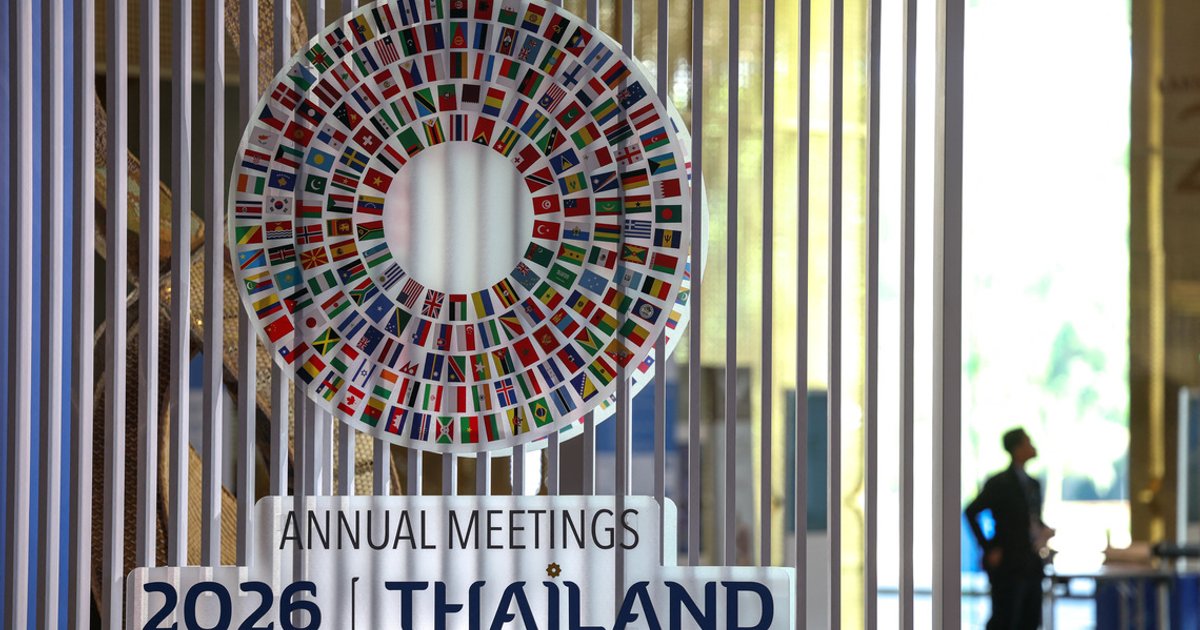
Finance officials from around the world are gathering in Bangkok, Thailand, for annual meetings of the International Monetary Fund and World Bank.
The widening US-Israeli-led war with Iran, now in its eighth month, and its economic effects are expected to dominate discussions.
Iran’s closure of the Strait of Hormuz cut off about one-fifth of the world’s oil supply, while diesel and fertilizer prices have also risen.
The Group of Seven has agreed to release 100 million barrels of oil and diesel from emergency reserves, but industry executives say accessible stocks are running low.
World Bank President Ajay Banga says the combination of energy costs, fertilizer prices, debt and the threat of extreme heat creates further pressure.
The IMF expects global growth of 3% in 2026, though it may lower forecasts for some countries, including Ukraine and Gulf states.
Officials are also focused on rising public debt, which the IMF says is at its highest level since World War II.

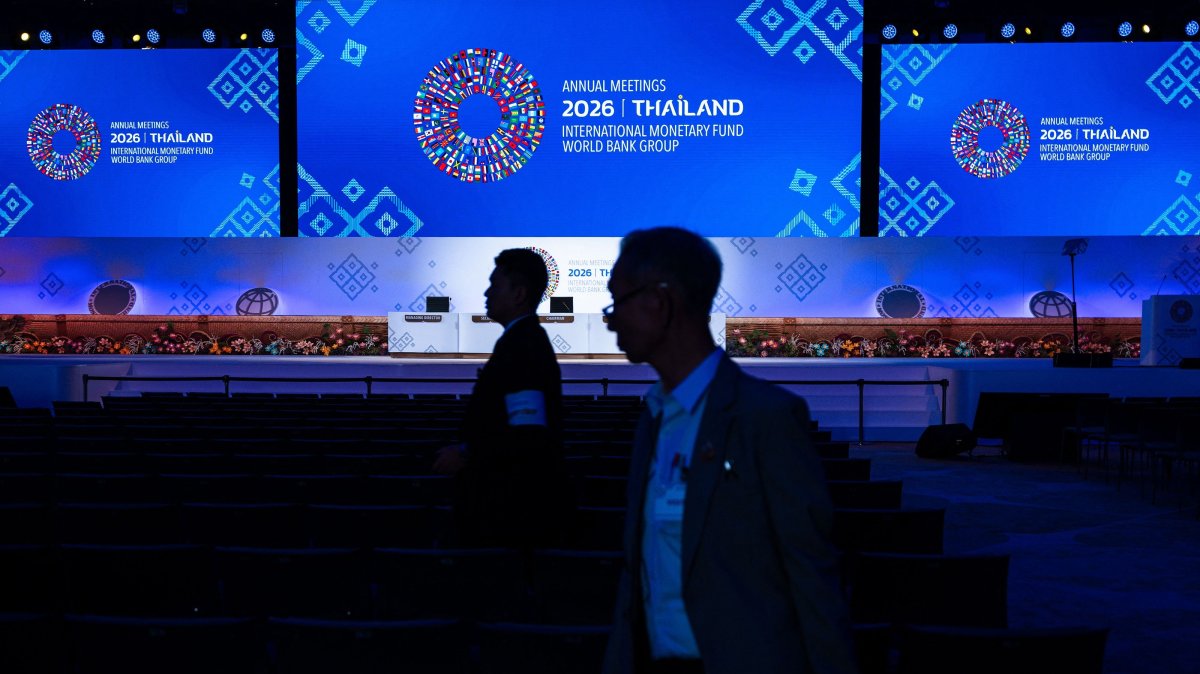
Finance officials are meeting in Bangkok this week for annual IMF and World Bank meetings dominated by the widening Middle East war and rising debt.
The U.S.-Israeli-led war with Iran and its effects on inflation and living conditions are expected to overshadow other discussions.
Higher energy and fertilizer prices, rising interest rates and public debt are adding pressure to an already sluggish global economy.
The IMF has signalled little change to its forecast for 3% global growth in 2026, while warning that some countries may face downgrades.
- Who
- Finance officials from around the world, including representatives of the IMF and World Bank, are gathering. U.S. Treasury Secretary Scott Bessent is absent.
- What
- The annual IMF and World Bank meetings are taking place amid concerns about war, energy prices and debt.
- When
- This week, according to articles published on October 11, 2026.
- Where
- Bangkok, Thailand.
- Why
- The meetings will address risks to global growth from the war, energy supply disruption, inflation, higher interest rates and rising public debt.
This story does not have two clearly opposing sides.
The real thing is not just El Nino by itself; it's the combination ... What's happening to fertilizer prices? What's happening to energy costs? What's happening to debt? It's that put together that creates its own challenges
Winter is coming.
And I think that will call upon all of us to be far more careful on what we prepare for in the coming months.
The war began, according to the articles.
IMF research on sharp spikes in food and energy prices was released.
U.S. President Donald Trump announced a deal with Russia to provide more diesel to global markets and a temporary waiver of U.S. sanctions.
Finance officials are gathering in Bangkok for the annual IMF and World Bank meetings.
- Meeting location
- Bangkok, Thailand
- IMF growth forecast
- 3% for 2026
- Strait of Hormuz
- Closure cut off about 20% of the world's oil
- Emergency reserves
- G-7 countries agreed to release 100 million barrels of diesel and crude oil
- Public debt
- Highest level since World War II, according to the IMF
Sources

Related news

Eight orangutans rescued from fires released into protected forest in Borneo
South Korea says trust with US remains strong amid intelligence-sharing concerns

Two men die as festival floats overturn in Osaka Prefecture
South Korean ambassador returns home amid dispute with Ukraine over POW transfer
South Korea tests its first domestically developed hypersonic glide vehicle
Greens urge Australia to block possible US execution live stream

Ceiling collapse in Daegu injures 38 during kitchenware sales event
Australia says it will not buy Russian fuel after Trump’s diesel deal
Malaysia closes schools as haze prompts calls to investigate companies
Japan protests Russia’s bid to extradite ICC president and eight staff members
Taiwan plans record defence budget to deter conflict with China
