Health · Fitness & Nutrition · 6 hrs ago
Insomnia may need treatment of its causes, not just sleeping pills

Insomnia means having trouble sleeping, but it is a symptom rather than a diagnosis by itself.
It can be linked to medical conditions or lifestyle habits, so finding the cause can shape the treatment.
The article says people seeking help for insomnia are sometimes prescribed sleeping pills without a thorough assessment.
If the underlying cause is left untreated, health problems may worsen and reliance on sleeping pills or addiction may become more likely.
Ongoing poor sleep can affect mood, energy and concentration, and is associated with several physical health risks.
Sleep pills also carry risks such as cognitive problems and impaired driving.
The article does not describe a specific next step for patients.

An article argues that insomnia should be treated by identifying its underlying causes, rather than simply prescribing sleeping pills.
It describes insomnia as a symptom that can have different medical or lifestyle-related causes.
The article says failing to address those causes can allow medical conditions to worsen and increase the risk of long-term sleeping-pill use or addiction.
It also links chronic insomnia with several health risks, including hypertension, cardiovascular disease and type 2 diabetes.
The article cites data that 6.3% of U.S. adults took sleep pills daily in 2020.
- Who
- The article discusses people experiencing insomnia and the clinicians who treat them.
- What
- It argues that insomnia treatment should address underlying causes, not just rely on sleeping pills.
- When
- Published on October 12, 2026.
- Where
- Not stated.
- Why
- Insomnia can be a sign of an underlying problem, and leaving that problem untreated may worsen health and increase risks linked to sleeping pills.
This story does not have two clearly opposing sides.
Insomnia is a symptom, not a syndrome
This story does not have a timeline yet.
- Publication date
- October 12, 2026
- U.S. adults taking sleep pills daily
- 6.3% in 2020
- U.S. adults taking sleep pills most days
- 2.1% in 2020
- U.S. adults taking sleep pills sometimes
- 10% in 2020
- Potential chronic insomnia health risks
- Hypertension, cardiovascular disease, weight issues, metabolic syndrome, type 2 diabetes and colorectal cancer
Sources
Related news

Trainer offers guidance on starting strength training in midlife
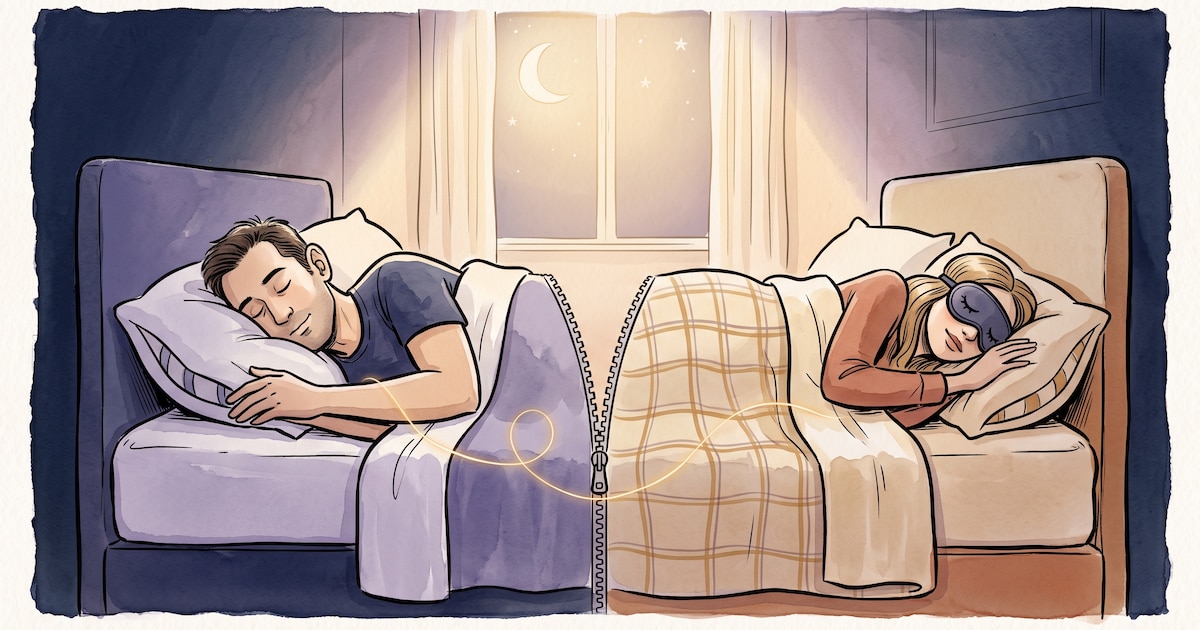
More couples are sleeping apart to improve their rest

TODAY invites viewers to share how its health coverage affected them

Letters link wartime food scarcity with health and food waste

Creatine may support muscle performance when combined with resistance training

Chef Ivan Barros shares a chicken and lentil bowl with 66 grams of protein
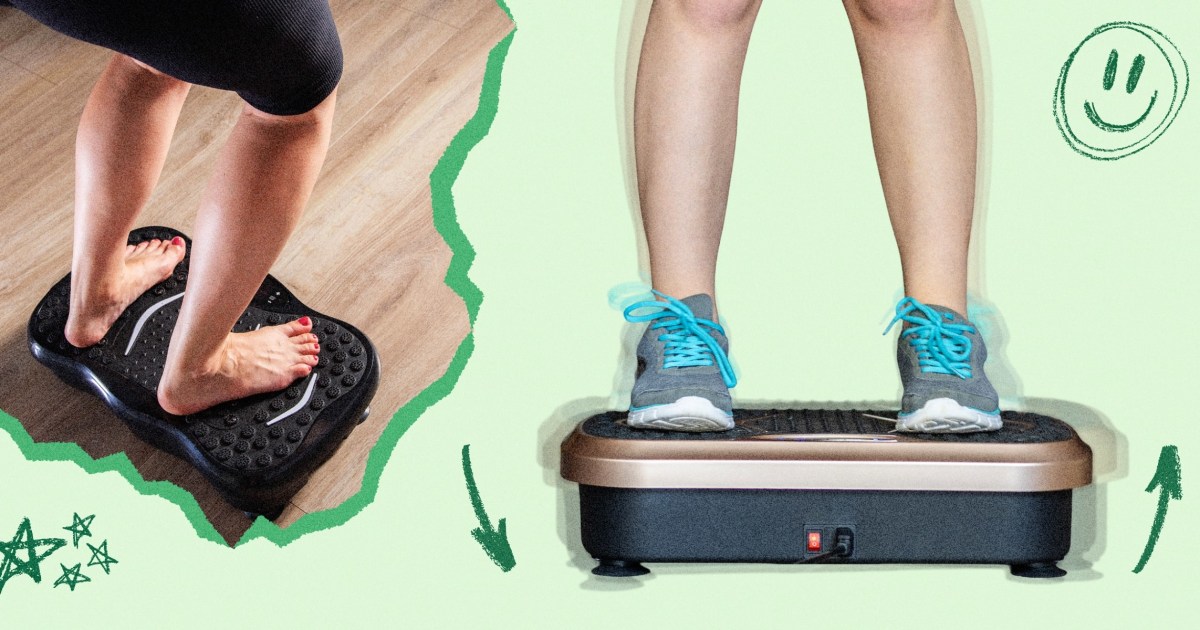
Vibration plates may support exercise, but evidence is mixed

Study questions claims that heel striking and cadence increase running injury risk

Dietitians say protein powder is optional and recommend checking labels
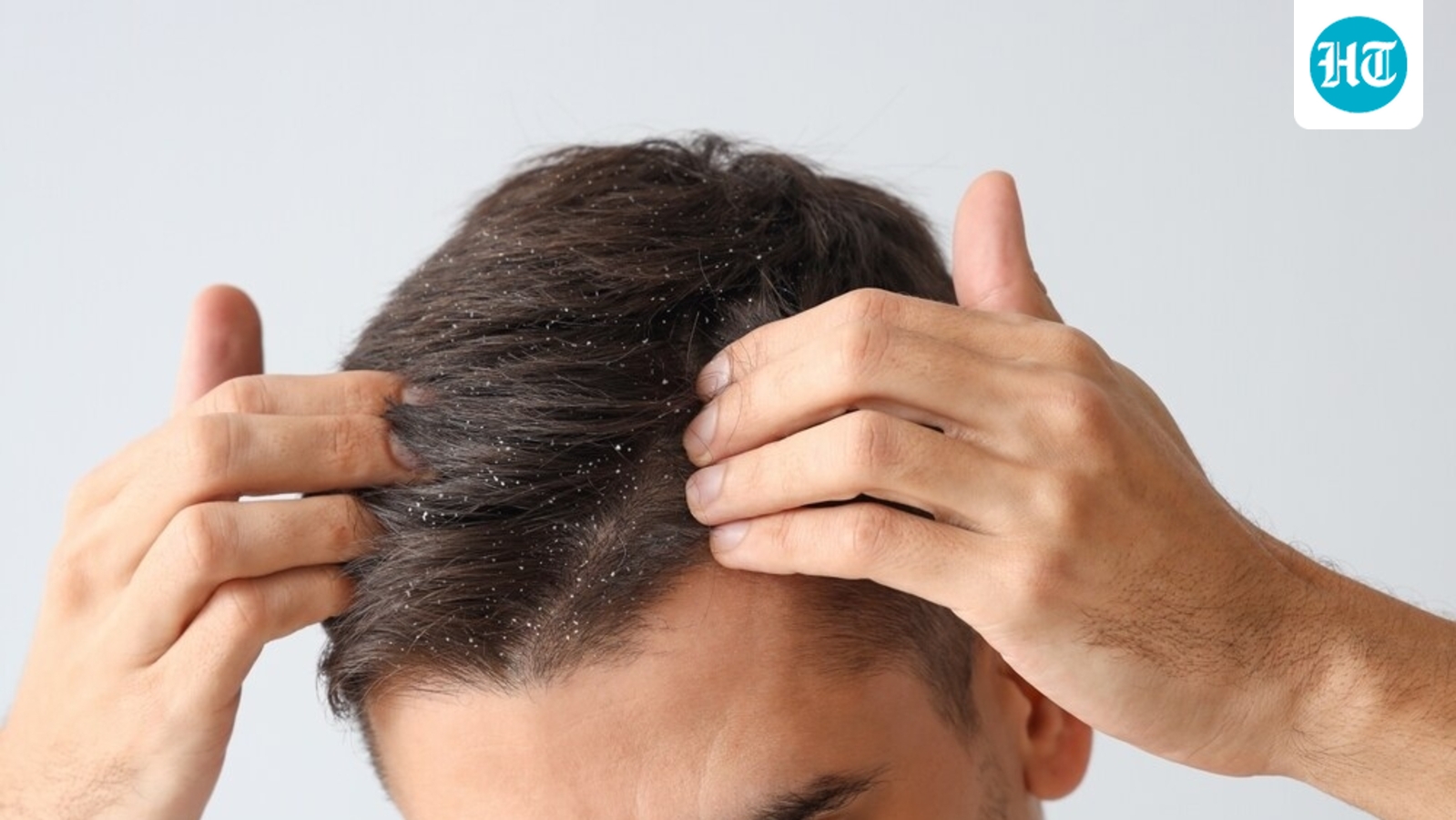
Dermatologist lists five signs that may point to scalp problems

Muscle and liver cells may retain benefits of past exercise