Business · Economy · 4 hrs ago
Cheaper electric vehicles help curb inflation pressures in Australia
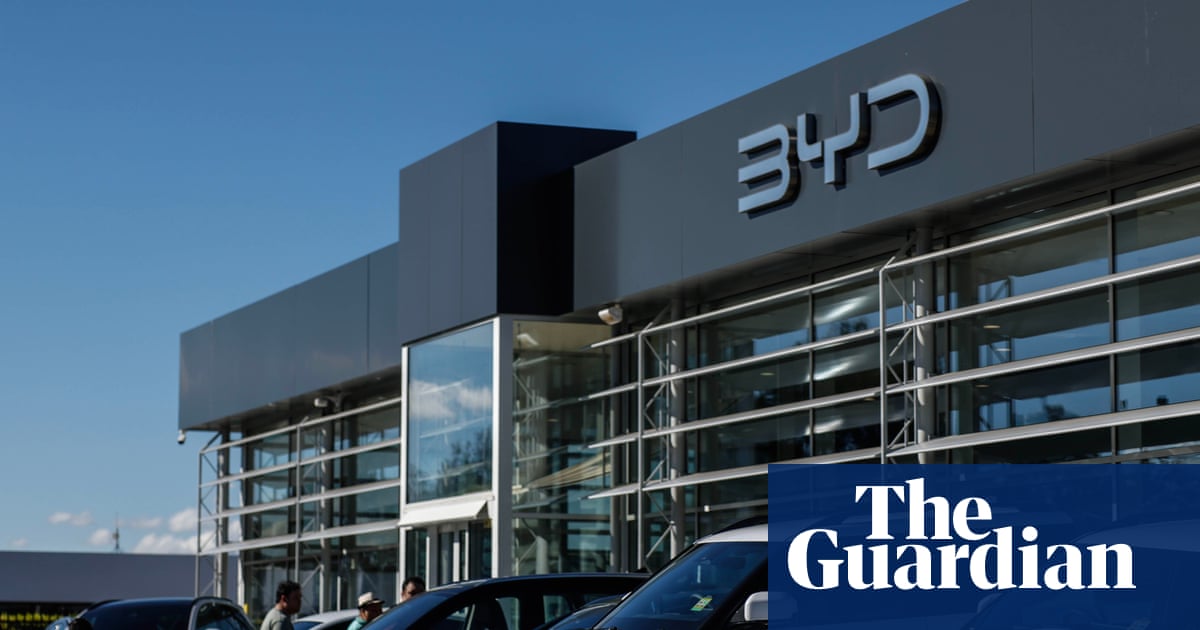
Electric vehicle sales are rising in Australia as high fuel prices encourage drivers to move away from petrol and diesel cars.
Cheaper models, many from Chinese brands, have helped make electric cars more affordable.
Battery electric vehicles now make up almost a quarter of new vehicle sales, and about half of new sales are electric or hybrid.
Using less petrol can reduce drivers’ fuel costs, while growing supply is also putting downward pressure on car prices and some ownership costs.
This may help limit inflation, although high oil prices are still raising costs for goods and services across the economy.
The Reserve Bank has raised its key interest rate to 4.6% and warned that further increases may follow.
Economists say electrifying freight vehicles could provide another way to reduce exposure to oil prices, and argue that government support could help get that transition started.

Cheaper electric vehicles are helping ease some inflation pressures in Australia by reducing fuel and vehicle ownership costs.
Battery electric vehicles account for almost 25% of new vehicle sales, and about half of new sales are either electric vehicles or hybrids.
Higher fuel prices linked to the Iran conflict accelerated demand for electric vehicles in March.
At least five electric vehicles are now priced around or below $30,000, according to an NRMA report.
High fuel prices continue to raise costs across the economy, while the Reserve Bank has warned of further interest rate rises.
- Who
- Australian drivers are increasingly buying electric vehicles, including low-priced Chinese models.
- What
- Rising electric vehicle use is helping curb some inflation pressures by reducing petrol use and vehicle costs.
- When
- Demand accelerated in March and has continued largely unabated; the article was published on 12 October 2026.
- Where
- Australia.
- Why
- Higher fuel prices linked to the Iran conflict have encouraged drivers to switch, while cheaper electric vehicles have reduced barriers to adoption.
This story does not have two clearly opposing sides.
There are more and more consumers who are trying to unplug themselves from the oil shock.
When we look at light commercial vehicles, those are the little trucks that sort of fly around the streets, they already have a total cost of ownership that is very competitive against their fossil fuel counterparts, and we would expect those to be the first to go electric.
It’s the same for trucks. There are some practical things for the government to do over the next five to 10 years to start getting the freight fleet electrified, and then the market will take over from there.
Demand for electric vehicles accelerated after the Iran conflict and the resulting oil price spike.
Chinese electric-vehicle-focused brands BYD, GWM, Chery, Geely and MG were among Australia’s 10 biggest-selling automakers.
More electric vehicles were sold than petrol-only cars, and the Reserve Bank raised its key interest rate to 4.6%.
- Battery electric vehicles
- Almost 25% of new vehicle sales
- Electric vehicles and hybrids
- About half of new vehicle sales
- Lower-priced electric vehicles
- At least five priced around or below $30,000
- Diesel prices
- More than $2.80 a litre at many petrol stations
- Unleaded prices
- More than $2.40 a litre in most state capital cities
- Reserve Bank key interest rate
- 4.6%, its highest level since 2011
Sources
Related news
Treasury Wine sells Rosemount label back to the Oatley family

Adidas sues Australian fashion label White Fox over four-stripe clothing design

Firmus scraps planned Australian IPO as investors question its valuation

Flexible management roles could help retain women leaders in Australia

Jeweller outsourced making after years of exhausting work
Rent platforms replace card surcharges with fees and paid memberships

McKinsey removes Australian partner from research leadership role

Sydney trader wins unfair dismissal case after hiding Singapore location
Australian shares rise as banks and miners rally

Board approves BGRE’s $250m plans for an EQ office building

Business News AU page lists an At Close of Business podcast for October 12