

Politics · Brazil · 5 hrs ago
Brazil’s minimum wage rose above inflation under Lula
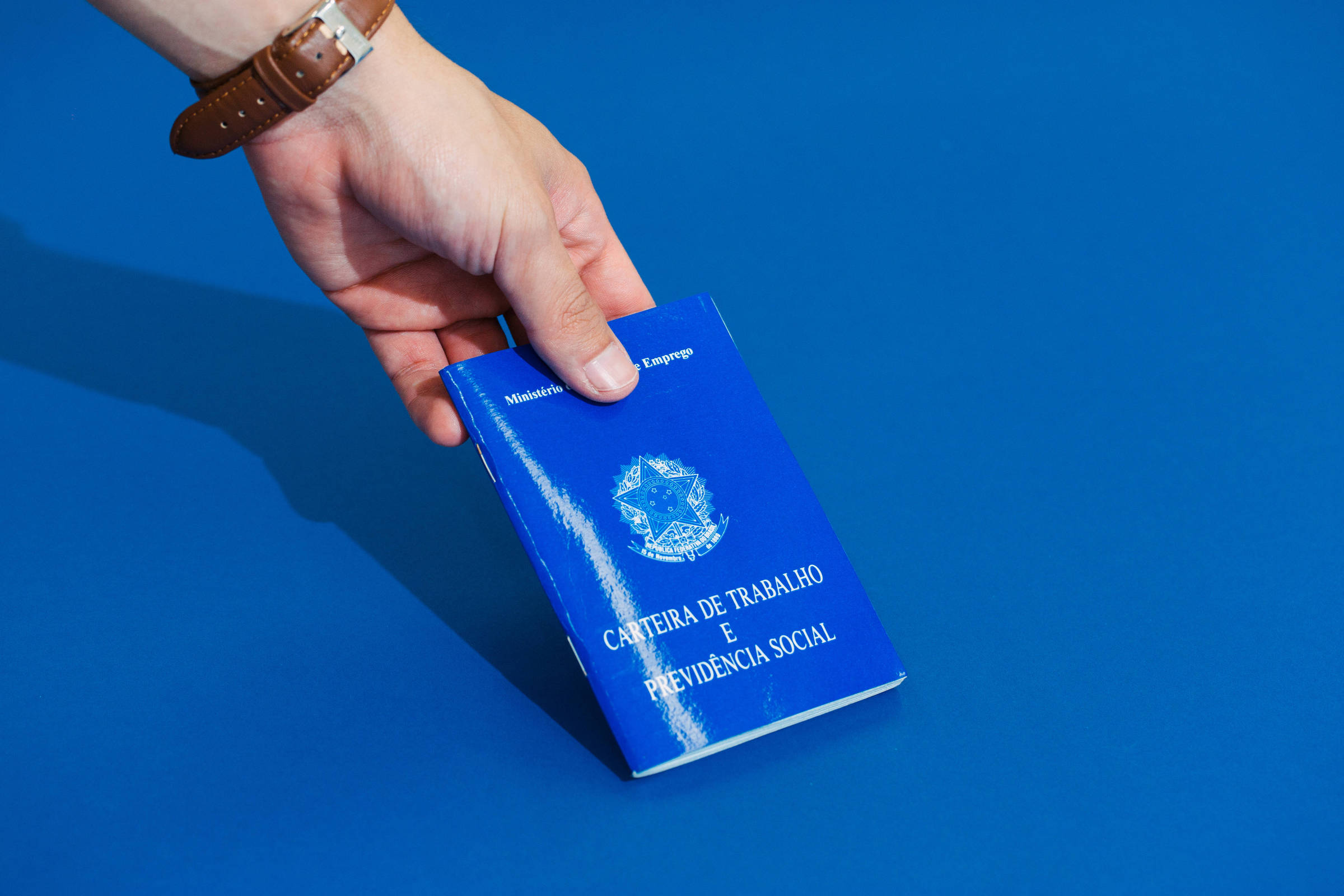
Brazil’s minimum wage reached R$1,621 in 2026, after rising 11.8% above inflation during President Luiz Inácio Lula da Silva’s government.
That means people on the minimum wage can buy more than before.
During Jair Bolsonaro’s government, increases from 2020 to 2022 barely kept pace with prices, and purchasing power gained only 1.2% overall, much of it from an increase set under an earlier rule.
The minimum wage also sets the floor for millions of social security pensions and benefits, so increases raise those payments too.
Higher pay can boost workers’ spending, but it also raises costs for employers and government spending, which can put pressure on public finances.
Flávio Bolsonaro has said he would not separate the minimum wage from inflation, but his government plan does not promise increases above inflation.
If elected, he could return to a policy that protects the wage’s value against rising prices without increasing its purchasing power.

Brazil’s minimum wage reached R$1,621 in 2026, after rising 11.8% above price increases during Lula’s government.
The article says the increase raised the purchasing power of workers who receive the minimum wage.
Under Jair Bolsonaro, the minimum wage gained only 1.2% in purchasing power, most of it from the 2019 adjustment under an earlier rule.
If Bolsonaro’s government’s policy of adjustments without real gains had continued, the wage would have reached about R$1,450 in 2026, the article estimates.
The article says Flávio Bolsonaro has not proposed abolishing the minimum wage and has said he would not detach it from inflation, but has made no explicit commitment to real increases.
- Who
- Workers receiving Brazil’s minimum wage, and retirees and benefit recipients whose payments are linked to it.
- What
- The minimum wage reached R$1,621 in 2026, with an 11.8% gain above price increases during Lula’s government.
- When
- In 2026; the article was published on October 12, 2026.
- Where
- Brazil.
- Why
- The article attributes the higher purchasing power to policy choices on minimum-wage adjustments under Lula.
Lula’s minimum-wage policy
Flávio Bolsonaro’s stated position and the policy under Jair Bolsonaro
Real purchasing power
Lula’s minimum-wage policy
Lula’s government raised the minimum wage 11.8% above price increases, according to the article.
Flávio Bolsonaro’s stated position and the policy under Jair Bolsonaro
Jair Bolsonaro’s government’s adjustments from 2020 to 2022 produced virtually no real gain, the article says; Flávio Bolsonaro has not explicitly promised real gains.
Inflation
Lula’s minimum-wage policy
The article describes Lula’s policy as valuing the minimum wage as a tool to distribute income.
Flávio Bolsonaro’s stated position and the policy under Jair Bolsonaro
Flávio Bolsonaro has said he does not intend to detach the minimum wage from inflation, but the article says that does not guarantee real increases.
The minimum-wage adjustment followed the previous rule for increasing its value.
Adjustments decided by Jair Bolsonaro’s government produced virtually no real gain, the article says.
Brazil’s minimum wage reached R$1,621, with an 11.8% gain above price increases during Lula’s government.
- Minimum wage in 2026
- R$1,621
- Real gain under Lula
- 11.8% above price increases
- Real gain under Bolsonaro
- 1.2%, most of it attributed to the 2019 adjustment
- Alternative 2026 estimate
- About R$1,450 if Bolsonaro’s policy had continued, according to the article
- Difference
- R$171 a month, or about R$2,200 a year including the 13th salary
Sources
Related news
Brazil’s electoral court orders removal of misleading video about Lula rally

Lawyer Nelson Martins, father of Justice Cristiano Zanin, dies at 90

Young man shot 27 times by police in São Paulo; officers taken off street duty

Lula and Flávio Bolsonaro attend Masses honoring Brazil’s patron saint

Family seeks answers after BOPE officer dies in gunfire exchange with police
Lula campaign accuses Meta of limiting its posts before Brazil runoff

Brazil plans to open new wings at Rio’s Bonsucesso Federal Hospital
Marina Silva criticizes bolsonarismo in post about children

Broadcasters identify technical problem in Flávio Bolsonaro campaign ad

Farmers threaten to invade Indigenous land in Pará if Flávio Bolsonaro wins
Pro-Lula rally attendees damage entrances to two São Paulo metro stations
