Business · Energy & Commodities · 1 day ago
Rising energy costs add to the EU’s pressure to strengthen competitiveness

Energy prices have risen in Europe, adding costs for businesses and households as the heating season approaches.
Eurostat’s preliminary figures put eurozone inflation at 3.8% in September 2026, up from 3.2% in August, with energy prices 18.8% higher than a year earlier.
The EU also faces obstacles to turning research and new ideas into successful businesses, including limited venture investment, barriers in its single market, and high operating costs.
These problems take time to address, while global industrial competition continues.
The EU has advanced trade measures, including follow-up arrangements for electric vehicle tariffs and a foreign-subsidy review in medical devices.
Such steps may offer short-term protection and signal action, but they cannot by themselves lower energy costs or speed up innovation.
The argument is that the EU needs deeper reforms to strengthen its competitiveness.

Rising energy prices are adding to the European Union’s competitiveness challenges by raising costs for industry and households.
Eurostat’s preliminary figures show eurozone inflation rose to 3.8% in September 2026, with energy prices up 18.8% year on year.
The article says Europe also faces weak conversion of innovation into commercial growth, alongside barriers in its single market and high operating costs.
It argues that the EU is relying on trade measures for quick political signals instead of tackling structural problems that take longer to fix.
- Who
- The European Union and eurozone businesses and households.
- What
- Rising energy costs are adding to pressure on the EU to strengthen competitiveness.
- When
- The article was published on October 10, 2026, and cites September 2026 inflation data.
- Where
- The European Union, including the eurozone; the article also describes a conversation in Belgium.
- Why
- Higher energy costs are raising production and household expenses, while structural barriers are slowing innovation and competitiveness.
This story does not have two clearly opposing sides.
This year’s energy bills are already not low; I’m afraid they’ll be even higher next year.
Eurozone inflation was 3.2%, according to the figures cited in the article.
Eurostat published preliminary data showing eurozone inflation had risen to 3.8% in September.
- September 2026 eurozone inflation
- 3.8%
- Year-on-year energy price rise
- 18.8%
- August 2026 eurozone inflation
- 3.2%
- Eurostat data publication
- October 2, 2026
Sources
Related news
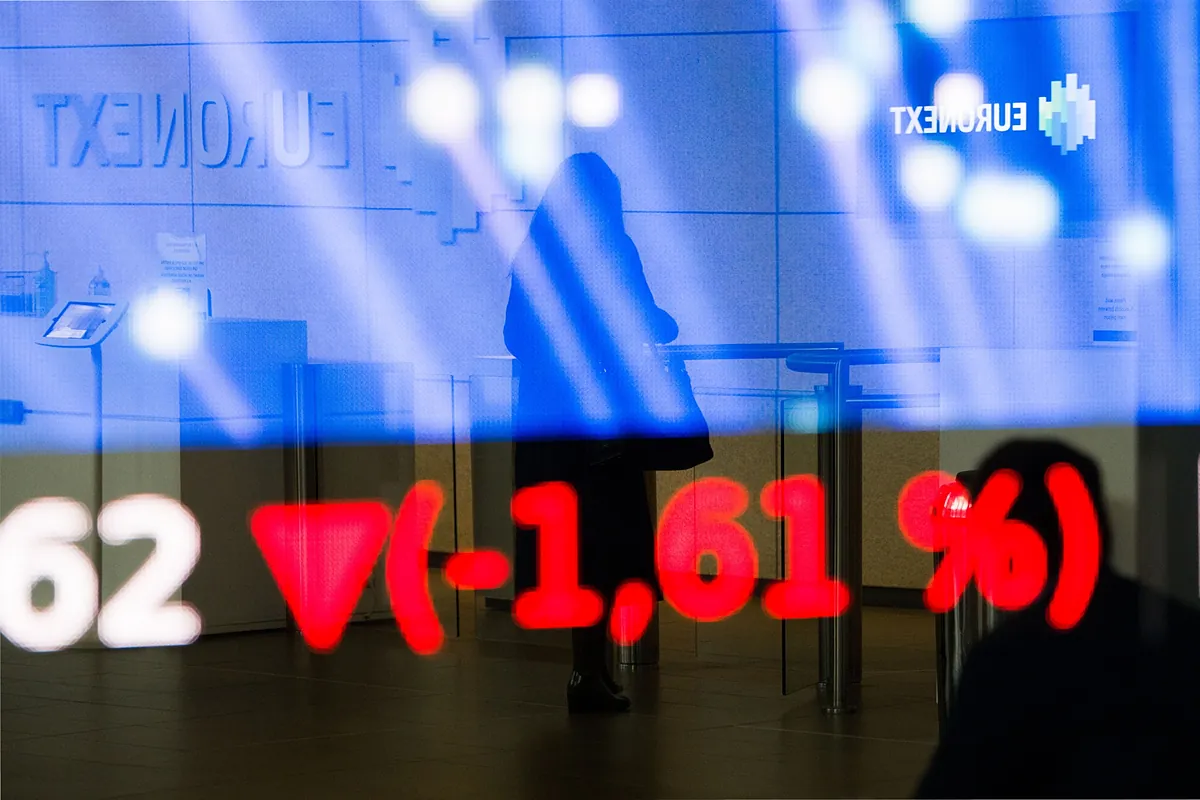
European stocks fall further behind Wall Street as energy and debt concerns grow
ECB may launch new long-term bank funding operations in 2027
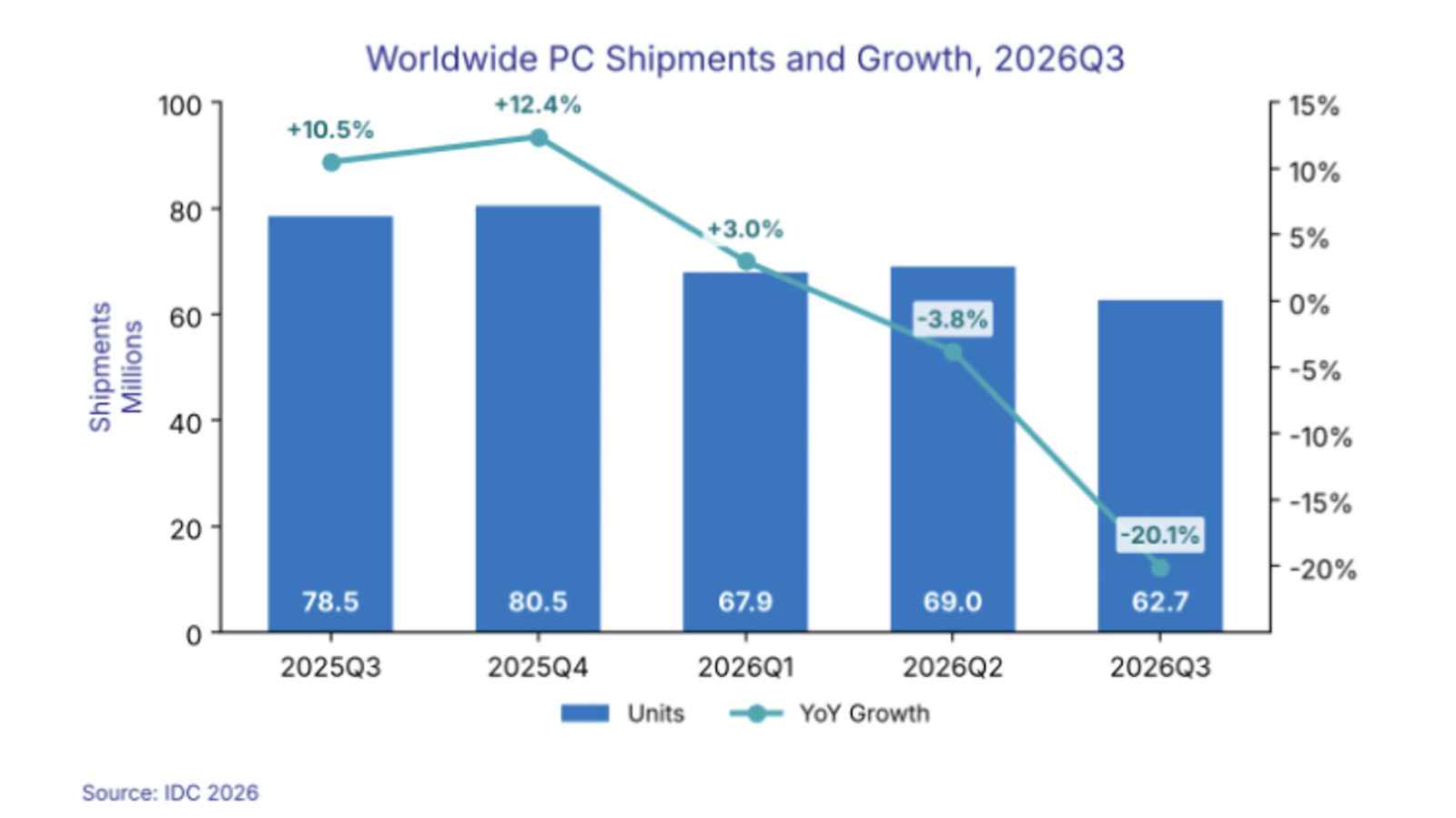
Global PC shipments fell 20% in the third quarter of 2026
Bond Selloff Could Reduce Need for Central Bank Rate Hikes
Tesla renames its European driver-assistance system after regulator criticism

SoftBank seeks up to $100 billion from Gulf investors for AI

VW chief urges France and Germany to work together on China car competition

Energy leaders meet in Riyadh to discuss supply security and markets
IMF and World Bank to discuss global economic risks in Bangkok

IMF and World Bank to warn central bankers of gathering storm

IEA urges members to consider releasing more diesel from strategic reserves