Health · Mental Health · 1 hr ago
Poor sleep and loneliness may reinforce each other
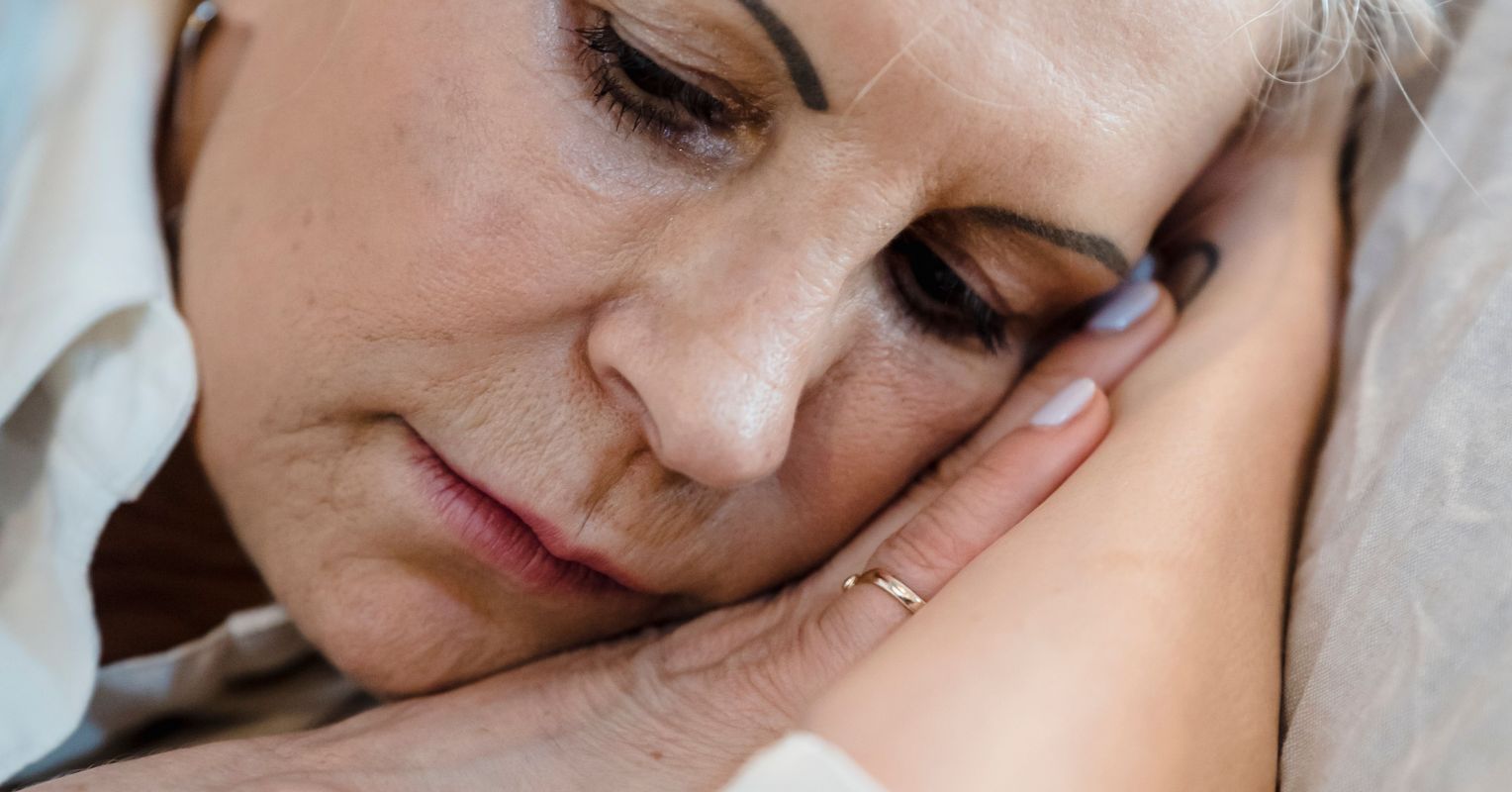
Loneliness is a painful feeling of having less connection than you want.
Research reviews have found that loneliness is linked with sleep problems, including insomnia symptoms and poor sleep quality.
One explanation is that people who feel lonely may stay alert to possible social threats, making it harder to sleep well.
A study found that people who had too little sleep wanted more distance from others, and poorer sleep quality was followed by greater loneliness the next day.
People who watched videos of sleep-deprived participants also judged them as lonelier and less appealing to spend time with.
The researchers said even brief encounters with sleep-deprived people could leave others feeling lonelier.
Together, the findings suggest that poor sleep and loneliness can feed into each other, though sleep is not a cure for loneliness.

Research reviewed in a Psychology Today article suggests poor sleep and loneliness may reinforce each other.
Studies cited in the article link loneliness with sleep disturbances and find that insufficient sleep can lead people to keep more distance from others.
The article says loneliness-related vigilance to social threats may contribute to restless or poor-quality sleep.
It also describes research in which observers rated sleep-deprived people as lonelier and less desirable to approach.
The article presents sleep as a factor that may shape vigilance, mood and social behavior, not as a cure for loneliness.
- Who
- People experiencing loneliness or insufficient sleep, as discussed in research reviewed by Psychology Today.
- What
- The article examines evidence that poor sleep and loneliness may reinforce each other.
- When
- The article was published on October 12, 2026; it discusses studies published in 2018 and 2020.
- Where
- Not stated
- Why
- The article says loneliness-related vigilance may disrupt sleep, while sleep loss may change social behavior and push others away.
This story does not have two clearly opposing sides.
When that social context is absent or uncertain, the sleeping brain may remain more vigilant, making loneliness and poor sleep mutually reinforcing.
They suggest sleep loss does not simply make people feel worse internally.
a) the state of sleep loss should be seen as “a social repellent
Simon and Walker published research examining links between sleep deficit and loneliness.
Two meta-analyses cited in the article examined associations between loneliness and sleep problems.
The World Health Organization defined loneliness in a report.
Psychology Today published the article on loneliness and sleep.
- Griffin et al. meta-analysis
- 27 articles on loneliness and sleep disturbance
- Hom et al. meta-analysis
- 84 articles
- Simon and Walker study, first part
- 18 healthy adults
- Simon and Walker study, second part
- 138 participants tracked sleep quality and daytime feelings for two nights
- Simon and Walker study, third part
- 1,033 people rated recorded interviews
Sources
Related news

Porn Can Create Unrealistic Expectations About Real-Life Sex

Childhood abuse and brain injury shaped Christa Pike’s early life

A Dog’s Breathing Crises Raise Questions About When to Say Goodbye

Rideshare conversations show the value of listening with empathy

Four Questions for Reconsidering the Beliefs That Shape Your Identity

Indonesia Has One Psychiatrist for Every 180,000 People, Ministry Says

How Childhood Emotional Neglect Can Affect a Marriage
Doomscrolling linked to distress, while neurologist describes ‘helicopter brain’

Football prescription scheme for mental health draws calls for wider backing

New directory provides information on mental health services

Emotional state can shape symptoms of irritable bowel syndrome