

Health · Healthcare & Policy · 2 hrs ago
Hidden ICU risks can slow recovery and extend hospital stays
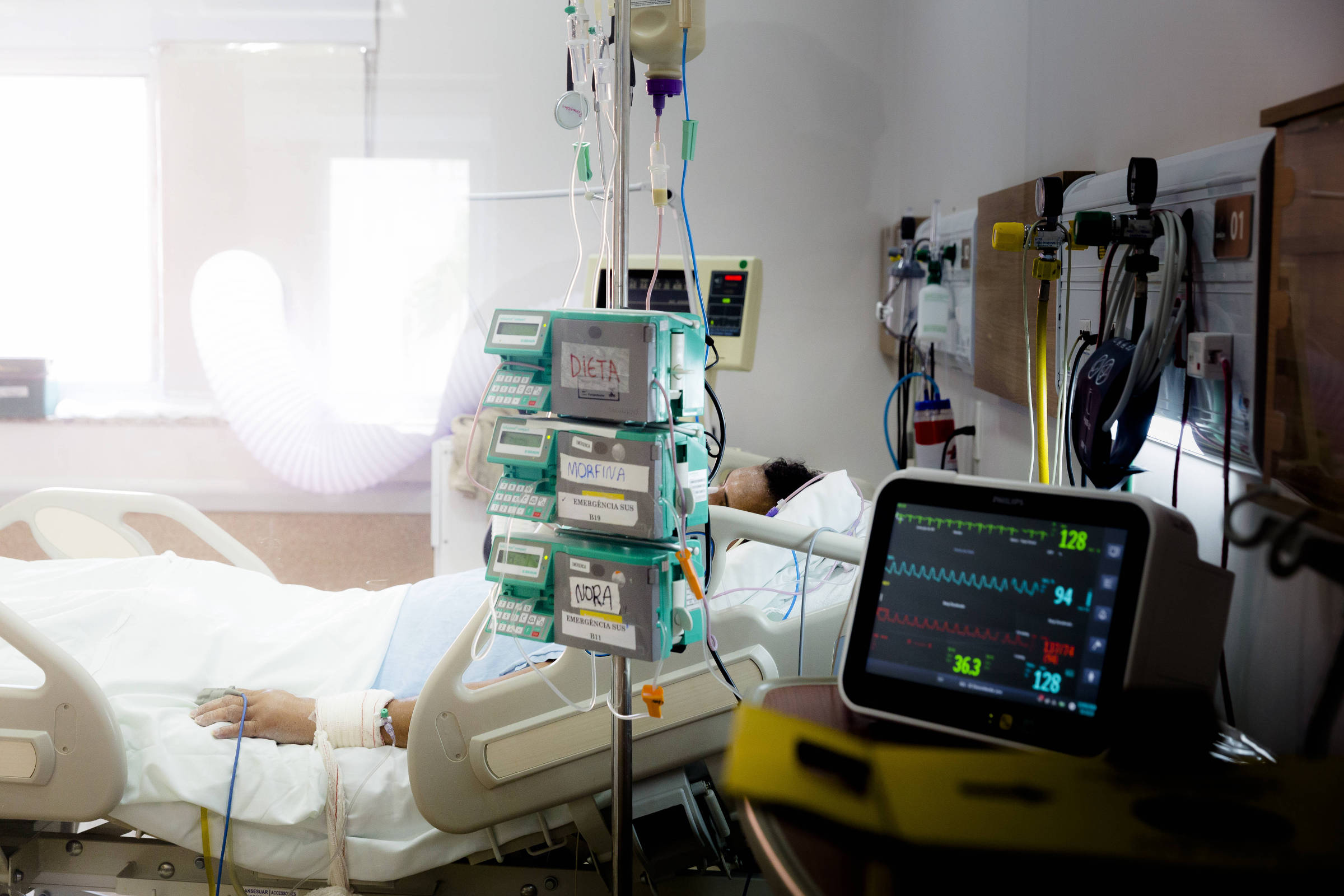
People in intensive care face risks beyond the illness that brought them to hospital.
Long periods of bed rest, severe illness and some medicines can cause muscle loss and weakness.
Fasting or digestive problems may leave patients without enough calories and protein, while illness and unfamiliar surroundings can contribute to confusion and disrupted sleep, especially in older people with neurological conditions.
These problems can delay recovery and extend ICU stays, and may affect time on a ventilator, survival and a patient's ability to resume daily activities after leaving hospital.
Patients are also vulnerable to hospital infections because tubes and catheters can bypass the body's natural defenses, and some infections are caused by antibiotic-resistant bacteria.
Frequent or indiscriminate antibiotic use can favor the spread of resistant bacteria, making some infections harder to treat.

Intensive care patients face risks beyond the illness that brought them to hospital, including muscle loss, pressure injuries, inadequate nutrition, cognitive changes and infections.
These complications can slow recovery, extend ICU stays and mechanical ventilation, and affect mortality and patients’ return to daily activities.
Patients may be more vulnerable to hospital infections because of devices such as catheters and tubes, weakened immunity and severe illness.
Frequent or indiscriminate antibiotic use can encourage resistant bacteria to survive and spread.
- Who
- Intensive care patients, especially those who are older or have pre-existing neurological conditions, are at risk.
- What
- Less visible ICU complications can hinder recovery and prolong hospital stays.
- When
- During hospitalization in an intensive care unit.
- Where
- Intensive care units; the article also identifies hospital environments as a source of infection risks.
- Why
- Severe illness, immobility, medications, disrupted routines and exposure to hospital germs can contribute to complications.
This story does not have two clearly opposing sides.
This story does not have a timeline yet.
- Outlet
- Folha
- Published
- 2026-10-14 00:00 UTC
- Hospital
- Hospital Municipal Gilson de Cássia Marques de Carvalho - Vila Santa Catarina, São Paulo
- ICU coordinator
- Amanda Pascoal Valle
- Tele-ICU coordinator
- Adriano José Pereira
Related
Mexico's Supreme Court upholds junk food sales ban in schools
1 hr ago · 2 sources

Breast cancer signs can be harder to spot during and after pregnancy
9 mins ago

More than 112,000 bottles of Amazon-brand acetaminophen recalled
5 hrs ago · 3 sources
South Korea revised Sanofi flu vaccine deal after 500,000-dose shortfall
50 mins ago

What people are saying
These issues can prolong recovery, increase the length of ICU stays and the time on mechanical ventilation, as well as affect patient mortality and compromise their return to daily activities after hospital discharge.
It is a paradox: the hospital, which is a place of healing, also ends up being an environment that can perpetuate disease, by bringing together different microorganisms, including some that do not exist outside it.
These bacteria are on bed rails, monitor buttons, the hands of staff and hospital equipment. Everything can serve as a means for them to reach the human body, break through our natural barriers and spread in an infection.