

Politics · United Kingdom · 20 hrs ago
UK plans to put developing-country debt on G20 agenda next year
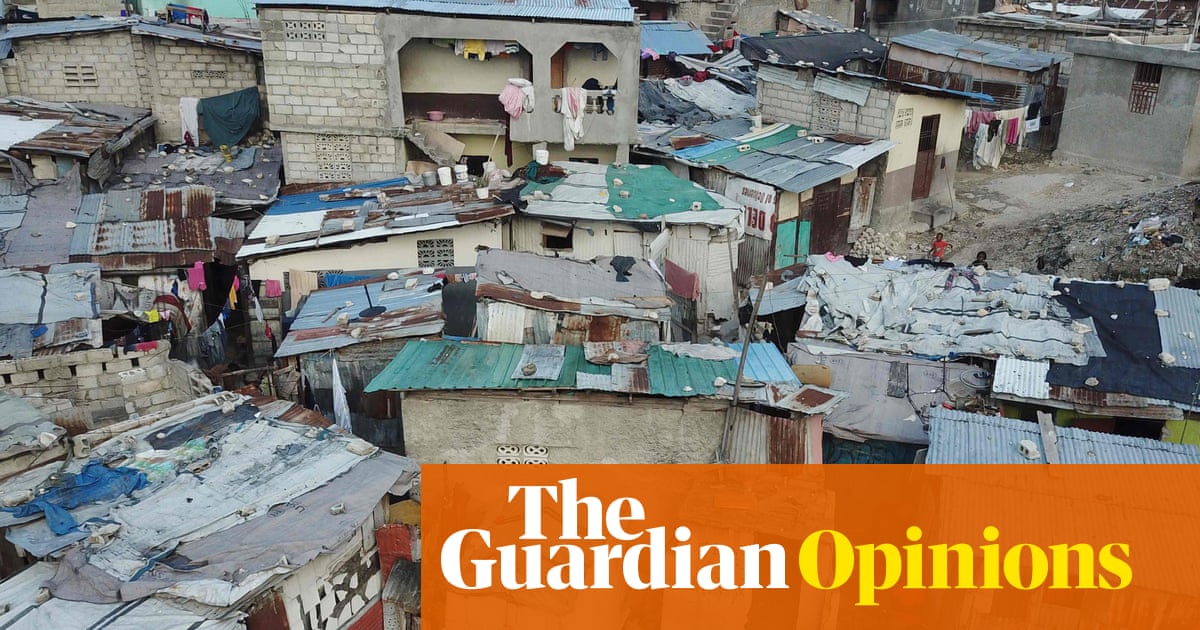
Investors have been selling government bonds amid the war in the Middle East and uncertainty over US policy, pushing up borrowing costs in many countries.
Heavily indebted developing countries are especially exposed because they have little influence over global markets.
Before the latest market turmoil, debt payments were already taking 45% of government revenue in the global south and 70% in low-income countries, according to experts cited in the story.
That leaves less money for public services and investment, including work to adapt to climate change.
At the IMF and World Bank meetings in Bangkok this week, finance ministers and central bankers are discussing the pressure on the global economy.
The UK, which will chair the G20 next year, says it plans to put unsustainable debt on the agenda.
Efforts to secure debt relief may be harder than in 2005 because more debt is held by private creditors and it is less clear which countries should qualify for support.

The UK plans to put unsustainable developing-country debt on the agenda during its G20 presidency next year.
Foreign Secretary Ed Miliband said the UK would use its presidency to mobilise global action on debt and development.
The announcement comes as bond market turmoil pushes up borrowing costs, with heavily indebted developing countries bearing much of the strain.
Debt servicing costs were estimated to absorb 45% of government revenues in the global south and 70% in low-income countries.
UK ministers say efforts may be more difficult than past debt-relief campaigns because private creditors now hold debt and the group of countries needing support is less clearly defined.
- Who
- The UK government, led by Labour during its upcoming G20 presidency.
- What
- It plans to put unsustainable developing-country debt on the G20 agenda.
- When
- Next year, when the UK holds the G20 presidency.
- Where
- At the G20; the specific meeting location is Not stated.
- Why
- Heavily indebted developing countries face high debt-servicing costs and rising borrowing costs.
This story does not have two clearly opposing sides.
We will use our G20 presidency next year to meet our responsibilities and mobilise the world, building on the great achievements on debt and development of the last Labour government.
we’re now dealing with private creditors – the debt isn’t held by us. So that is quite a big shift.
There isn’t this really clear demarcation between the very poor world and the very rich world that was true when I was starting out, and it was just a much starker and therefore more readily told story because the antagonists and the protagonists were just much clearer
Gordon Brown and Tony Blair secured significant debt relief for more than 30 countries after the Gleneagles G8 summit.
Bond market turmoil drove up borrowing costs around the world, with heavily indebted developing countries bearing much of the pain.
The UK is due to hold the G20 presidency and plans to put unsustainable debt on the agenda.
- UK G20 presidency
- Next year
- Debt servicing costs
- 45% of government revenues in the global south
- Debt servicing costs
- 70% of government revenues in low-income countries
- Debt relief in 2005
- More than 30 countries
- This year's G20 chair
- United States
Sources
Related news
Burnham says Russia interfered in 2016 Brexit vote

Gambling tax rise could put 16,000 jobs at risk, Healey warned

Parking apps can add up to 40% to the cost of a parking stay

UK father’s daughter granted passport after DNA test was suggested
Campaigners say minister’s amendments weaken Holiday Hunger Bill

Burnham to argue for closer UK ties with the EU

Ministers plan cuts to heat pump grants to help fund defence spending
Burnham to urge MPs to pursue closer ties with the EU

Burnham pledges to publish details of his dealings with Manchester City

IFS warns UK budget must address £35bn in spending pressures

UK ministers explore mandatory AI safety reporting
