

Health · Medical Research · 2 hrs ago
Gut lining may remain vulnerable after IBD symptoms improve
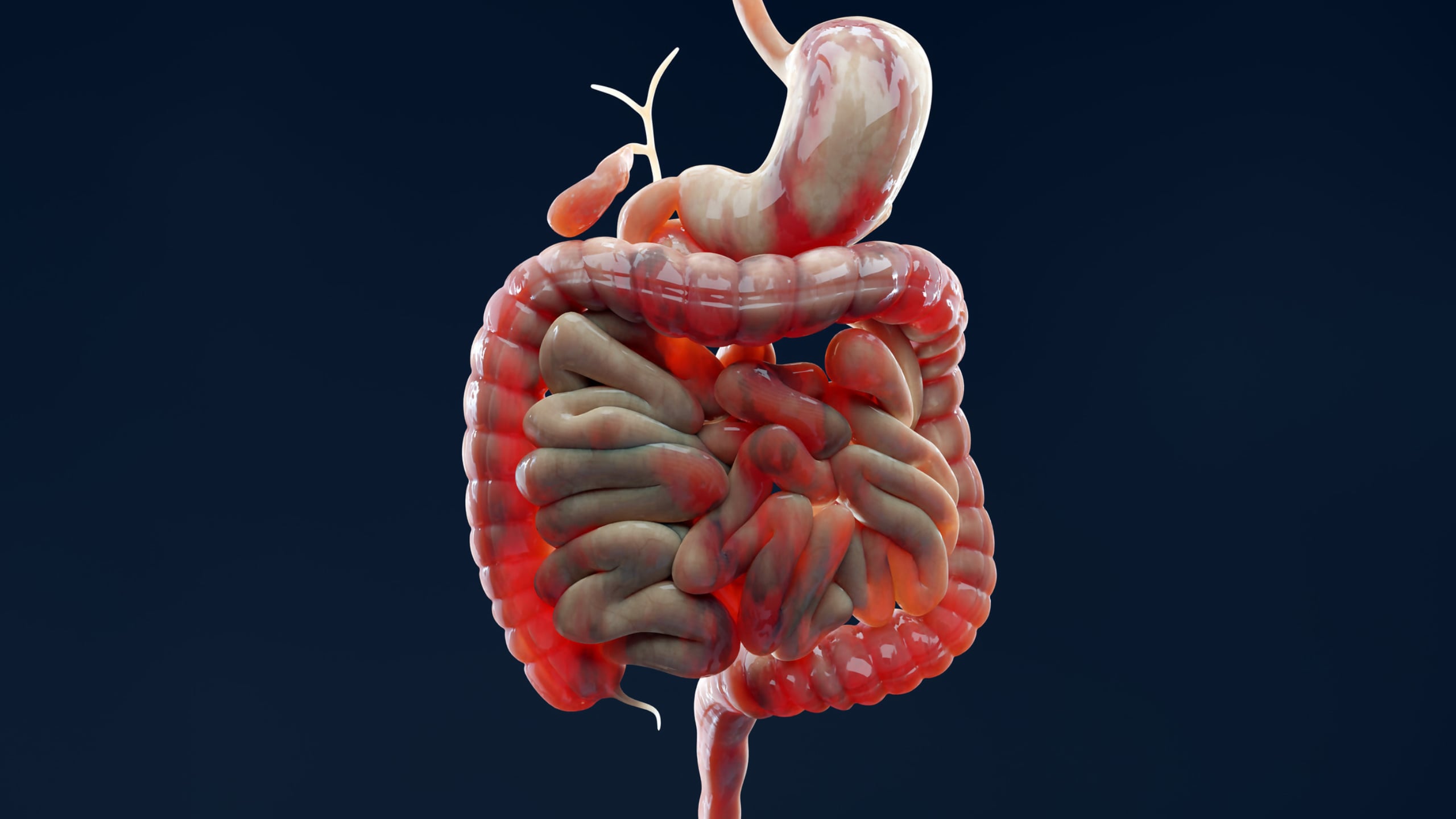
Inflammatory bowel disease, or IBD, includes Crohn’s disease and ulcerative colitis, which cause chronic inflammation in the digestive tract.
Treatment can bring symptoms under control, but the disease may flare again.
Researchers at Australia’s Walter and Eliza Hall Institute studied more than 900 gut tissue samples from 80 people, most of them with inactive or mildly active IBD.
They found signs that cells in the intestinal lining could remain vulnerable even when symptoms had improved.
Lab experiments also showed that cells could die through different processes, so blocking one process may not be enough to protect the lining.
In a small follow-up group, some patients who later had a flare had higher levels of a cell-death marker, but the finding does not show that the marker can predict flares.
Larger studies are needed to learn whether these signals could help guide care or whether safely protecting the gut lining could complement treatments that reduce inflammation.

A study suggests intestinal cells may remain vulnerable even when inflammatory bowel disease symptoms improve.
Researchers found signs of abnormal cell death in gut tissue from some patients whose disease was under control.
The study examined more than 900 intestinal biopsies from 80 people with and without IBD.
Follow-up findings linked a cell-death signaling marker with later flares, but researchers said the evidence is preliminary.
The findings may help explain recurring disease but do not yet provide a test to predict flares.
- Who
- Researchers led by the Walter and Eliza Hall Institute studied people with and without IBD.
- What
- The study found signs that gut cells may remain vulnerable to abnormal cell death after symptoms improve.
- When
- Published October 12, 2026. Follow-up information covered two to three years.
- Where
- The research was led in Australia and examined human intestinal tissue.
- Why
- The researchers investigated why IBD can flare again after treatment brings symptoms under control.
This story does not have two clearly opposing sides.
The study was published in Science on October 12, 2026.
Researchers exposed miniature intestinal tissues grown from human samples to inflammatory signals.
Researchers had follow-up information for 30 of 52 patients with IBD; 16 experienced a flare and 14 remained stable.
- Biopsies examined
- More than 900 intestinal biopsies
- Study participants
- 80 people with and without IBD
- Follow-up group
- 30 of 52 patients with IBD had follow-up information
- Flare cases
- 16 patients experienced a flare requiring intensified or changed treatment
- Stable cases
- 14 patients remained stable
What people are saying
The bowel may still carry a vulnerability that is not apparent from symptoms alone
This suggests that clinical remission does not always mean the underlying biology has returned to normal
The follow-up findings are promising but preliminary
Protecting the lining and its ability to regenerate could therefore complement treatments that control inflammation
Sources
Related news

Pope Leo to have surgery to remove an early-detected lung nodule

Woman gives birth after ovarian tissue frozen for more than 20 years
Higher Weight at Dementia Diagnosis Linked to Lower Risk of Death

Nearly One-Third of Older Adults With Cognitive Disorders Still Take Risky Drugs
Gut Inflammation Reactivated Dormant Breast Cancer Cells in a Mouse Model

Pope Leo XIV to have surgery to remove early-stage lung nodule

Researchers Seek Consensus on Sauna Health Benefits

YouTuber Pirulla describes recovery after severe ischemic stroke

HPV-vaccinated women had lower pregnancy risks in Swedish study

Pope Leo XIV to have lung nodule removed in surgery this week

Study links ADHD in adults over 50 to higher risk of cognitive impairment
