

Politics · United States · 13 hrs ago
Supreme Court Declines Maine Lobsterman’s Challenge to GPS Tracking Rule
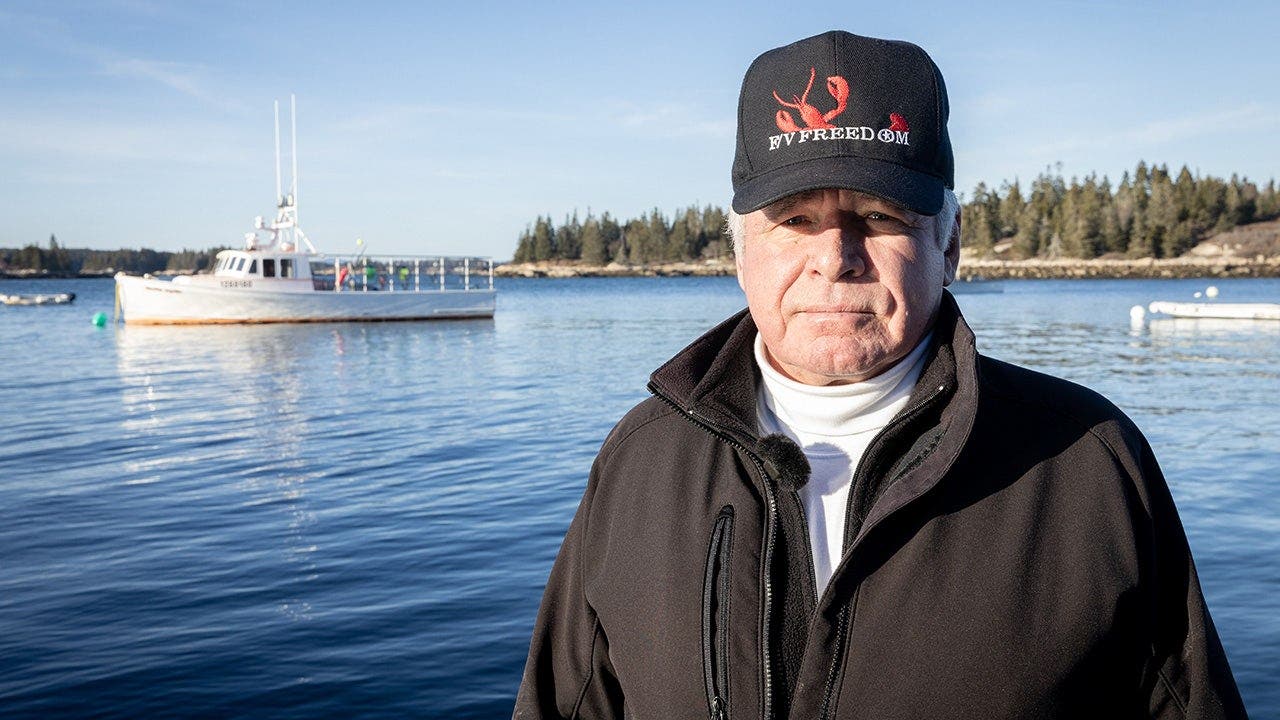
Frank Thompson, a fifth-generation lobsterman from Vinalhaven, Maine, is challenging a rule that requires GPS trackers on certain lobster boats.
The Supreme Court declined to hear his case, leaving in place a First Circuit ruling that the tracking requirement does not violate the Fourth Amendment.
That court cited lobstering’s status as a closely regulated industry.
Maine’s Department of Marine Resources says the devices record a boat’s location once a minute while it is moving and every six hours while it is docked.
Thompson says the tracker also records personal trips, raising concerns about who can see his location data.
The rule took effect in 2023 at the direction of the Atlantic States Marine Fisheries Commission.
Thompson says he is not giving up, but no next legal step is specified.

The Supreme Court declined to hear Maine lobsterman Frank Thompson’s challenge to a GPS tracking requirement for federally licensed lobster boats.
The decision leaves in place a First Circuit ruling that the requirement does not violate the Fourth Amendment because lobstering is a closely regulated industry.
Thompson says the tracking monitors his boat during personal trips as well as fishing and raises concerns about privacy and government surveillance.
His attorney argues that requiring lobstermen to carry the devices as a condition of earning a living is an unreasonable search.
Maine’s Department of Marine Resources implemented the rule in 2023 at the direction of the Atlantic States Marine Fisheries Commission.
- Who
- Maine lobsterman Frank Thompson challenged the rule. His attorney is Matthew Gilliam of Pacific Legal Foundation.
- What
- The Supreme Court declined to hear Thompson’s challenge to GPS tracking on federally licensed lobster boats.
- When
- The Court declined the petition on Monday; the article was published October 11, 2026.
- Where
- Maine, including waters fished by lobster boats based there.
- Why
- The Court’s reason for declining to hear the case is not stated. Thompson says the tracking violates Fourth Amendment privacy rights.
Frank Thompson and Pacific Legal Foundation
Maine officials and conservationists
Constitutionality
Frank Thompson and Pacific Legal Foundation
Thompson and his attorney say the tracking mandate is a warrantless, unreasonable search that violates the Fourth Amendment.
Maine officials and conservationists
The First Circuit ruled that the requirement does not violate the Fourth Amendment because lobstering is a closely regulated industry.
Purpose of the rule
Frank Thompson and Pacific Legal Foundation
Thompson objects to the tracking of his boat, including during personal trips.
Maine officials and conservationists
State officials and conservationists back the mandate as necessary to protect, but the article does not specify what it is intended to protect.
This is totally against the Fourth Amendment, and somebody's got to hear it one way or another
Well, it ain't over yet
as a condition of earning a living and keeping their lobster license
That forced trespass was a violation of the Fourth Amendment because it's an unreasonable search and seizure
Maine’s Department of Marine Resources implemented the tracking rule at the direction of the Atlantic States Marine Fisheries Commission.
Thompson’s son texted him while he was fishing to say the Supreme Court had declined his petition.
The Supreme Court declined to hear Thompson’s challenge, leaving the First Circuit ruling in place.
- Challenger
- Frank Thompson, a fifth-generation Maine lobsterman
- Tracking requirement
- Applies to federally licensed lobster boats in Maine
- Moving boats
- Devices collect a boat’s location once per minute while it is moving
- Docked boats
- Devices collect a boat’s location every six hours while docked
- Rule implemented
- 2023
- Court ruling left in place
- First Circuit ruling that the requirement does not violate the Fourth Amendment
Sources
Related news

Tillis says Trump’s Russian diesel deal may violate US law
Trump and Rubio consider firing US ambassador to Greece

Trump has not decided whether to livestream Nidal Hasan’s execution
US Justice Department investigates networks over White House coverage pause

Vance doubts plan to livestream Nidal Hasan’s execution

Trump names Katie Zacharia as White House press secretary
US suspends major tech firms from green-card labor certification program

Trump creates committee to investigate allegations against Fed governor Lisa Cook
Michigan Senate candidates trade personal attacks in first televised debate

Trump orders inquiry into Federal Reserve governor Lisa Cook

Kansas Sen. Roger Marshall pays bakery bill from 2020 campaign event
