World · East Asia & Pacific · 1 hr ago
Food shortages leave flying foxes starving across NSW and parts of Victoria
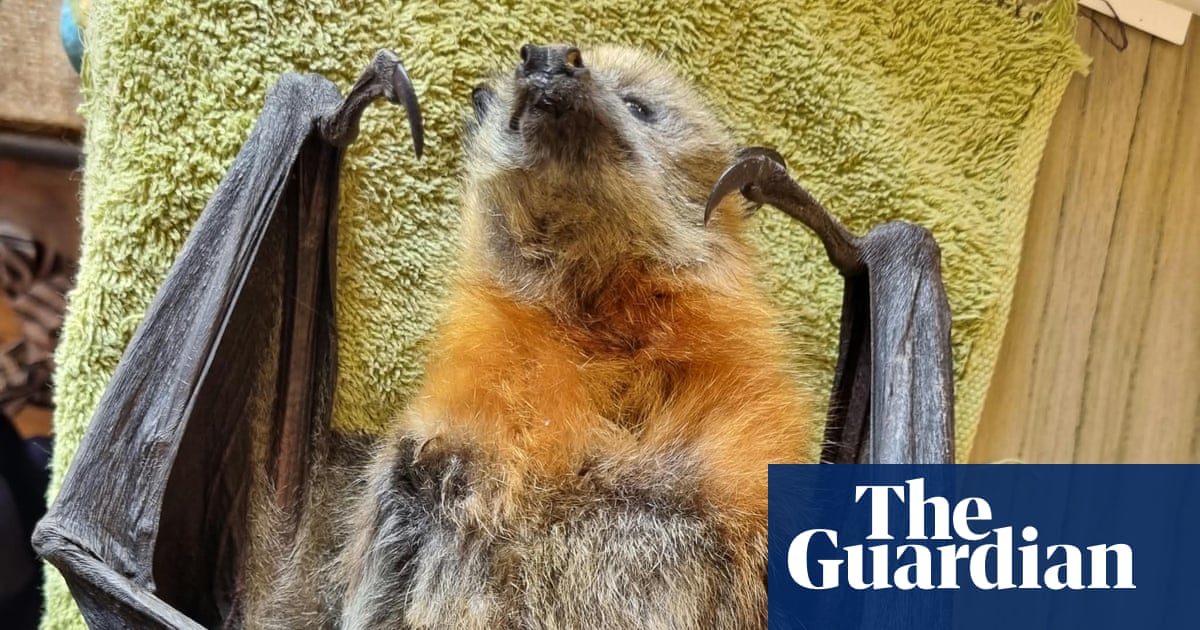
Flying foxes are starving across New South Wales and parts of Victoria, with rescuers reporting exhausted adults and severely undernourished pups.
Most cases involve grey-headed flying foxes, a species listed as vulnerable under federal environment laws.
These bats usually feed on blossoms and nectar from native trees, but poor seasonal flowering has left them short of food.
Rescuers say habitat loss and a dry winter may be contributing to the shortage, though the exact cause is not known.
Some bats are too weak to return to their camps and are feeding in people’s yards, while many pups have died or been born prematurely.
The crisis matters because grey-headed flying foxes usually have one pup a year, so widespread pup losses could affect the species.
Rescuers are asking people to report sick or dead bats and not handle them; volunteers will check for pups and help animals where possible.

Grey-headed flying foxes are facing mass starvation across New South Wales and parts of Victoria amid food shortages.
Rescue groups report a surge in callouts for exhausted and emaciated adults and skeletal pups.
The shortages extend across New South Wales, from the northern rivers to the south coast, with callouts also rising in East Gippsland and Castlemaine.
Wildlife rescue organisation Wires said habitat loss and a dry winter were likely factors, while a state environment department spokesperson said the cause of this incident was not known for sure.
The NSW health department said 43 people had been assessed after being scratched or bitten by bats in the past two weeks.
- Who
- Grey-headed flying foxes, along with other flying foxes, are affected.
- What
- They are facing mass starvation amid food shortages, with rescuers reporting malnourished adults and pups.
- When
- The shortages are being reported now; the articles do not give a start date.
- Where
- Across New South Wales and parts of Victoria, including East Gippsland and Castlemaine.
- Why
- Wires said habitat loss and a dry winter were likely factors; the NSW environment department said the cause of this incident was not known for sure.
This story does not have two clearly opposing sides.
Thousands of flying foxes died from heat, before the current food shortages.
Wires cited a dry winter and poor seasonal flowering as likely factors in the starvation event.
Rescuers reported increased callouts for starving flying foxes across NSW and parts of Victoria.
The NSW health department said 43 people had been assessed after being scratched or bitten by bats.
- Species
- Grey-headed flying foxes are listed as vulnerable under federal environment laws.
- Fawna callouts
- 50 to 90 calls each day, according to bat coordinator Rachael Smethurst.
- Affected NSW areas
- From the northern rivers to the south coast.
- Affected Victorian areas
- East Gippsland and Castlemaine.
- Bat-related assessments
- 43 people assessed after scratches or bites in the past two weeks.
What people are saying
They’re coming into back yards to eat ornamental fruit trees and eating a lot of ripe and unripe cocos palms.
Many malnourished and dehydrated female flying foxes are in the final month of their gestational period and are tragically losing their young.
We don’t know for sure what is causing this particular incident, but food shortages can be aggravated by climatic events such as drought and El Niño conditions.
They’re so hungry they’re actually eating during the day, away from the safety of the camp.
Sources
Related news

Eight people injured in stabbing at Incheon supermarket

Japan and US to review off-duty rules after Okinawa killing

Chinese courts sentence three Myanmar crime group leaders to death

Fire at plastic recycling plant in Nara; workers escape unharmed
Australia seeks to stop online broadcast of planned US execution

Trump says he may meet Kim Jong Un during Asia trip in November
Indonesia moves eight endangered orangutans to safety after Borneo fires

Bedbugs found on Qantas plane, forcing Rome-to-Perth flight cancellation

Japan’s Yugama crater lake reopens after more than eight years

North Korea says tactical missile test upgraded a key weapons component

Two men arrested over alleged bank card theft on flight to Singapore