

Health · Medical Research · 1 day ago
Sudden temperature changes can affect circulation and heart health
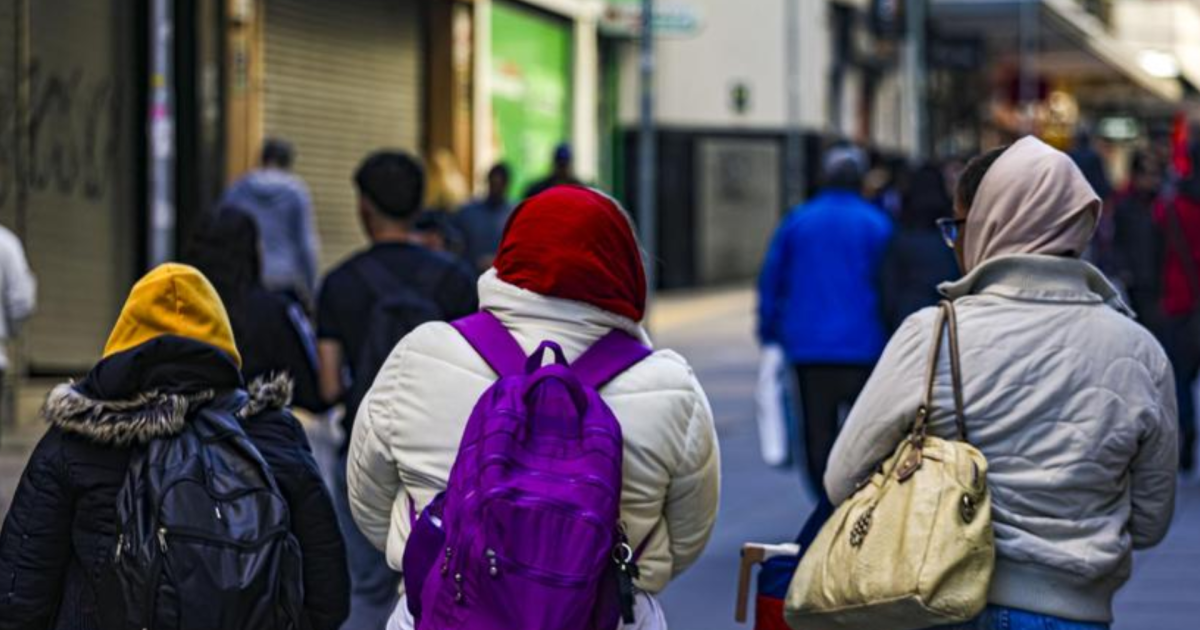
Rapid changes from hot to cold weather can make the body adjust quickly, affecting blood vessels, the heart and the airways.
In heat, blood vessels widen, which can lower blood pressure and cause swelling in the legs and feet.
In cold weather, vessels narrow, raising blood pressure and making the heart work harder.
Quick shifts can also irritate airways and cause symptoms such as coughing, a runny nose or a sore throat.
Children, older adults and people with chronic conditions may be more affected, as may people with limited access to shelter or health care.
In hot weather, staying hydrated, moving around and avoiding exercise during the hottest hours can help; in cold weather, keeping hands and feet warm and drinking water are recommended.
The guidance also recommends light physical activity in cold weather, but gives no further next steps.

Sharp temperature changes can affect circulation, the heart and the respiratory system, according to CNN Brasil.
In hot weather, blood vessels widen to release heat, which can lower blood pressure and contribute to fluid build-up in the legs and feet.
In cold weather, blood vessels narrow to retain heat, raising blood pressure and making the heart work harder.
Rapid shifts from warm to cold conditions can irritate and dry the airways, while dry air can cause skin irritation and temporary drops in immunity may leave people more vulnerable to viral infections.
Children, older adults, people with chronic conditions and people facing socioeconomic vulnerability may need extra care during abrupt changes in weather.
The article recommends hydration and suitable activity for hot and cold days, and advises seeking medical care for frequent dizziness, sharp blood-pressure changes or severe respiratory episodes.
- Who
- People affected by abrupt temperature changes, especially children, older adults, people with chronic conditions and socioeconomically vulnerable populations
- What
- Potential health effects of sudden changes in temperature and ways to reduce risks
- When
- During abrupt changes in temperature
- Where
- Not stated
- Why
- Temperature changes can affect blood vessels, circulation, the heart and respiratory system
This story does not have two clearly opposing sides.
No calor, ocorre uma vasodilatação. Os vasos se dilatam para liberar o calor interno. Isso pode provocar queda na pressão arterial e acúmulo de líquido nas pernas e pés. Já no frio, o efeito é o oposto. A vasoconstrição faz os vasos se contrairem para reter calor, o que eleva a pressão arterial e exige muito mais esforço do coração
This story does not have a timeline yet.
- Hot-weather walking
- The article suggests walking for 5 to 10 minutes to stimulate circulation in the legs.
- Leg elevation
- It recommends raising the legs to heart level for 10 to 15 minutes, several times a day, to reduce swelling.
- Exercise in heat
- Light or moderate exercise is advised in the early morning or late afternoon, in well-ventilated places.
- Medical advice
- Seek medical care for frequent dizziness, sharp blood-pressure changes or severe respiratory episodes.
Sources
Related news

Pope Leo to have surgery to remove an early-detected lung nodule

Pope Leo XIV to undergo surgery for an early-stage lung nodule

Pope Leo XIV to have surgery to remove early-stage lung nodule

Cardiologist says weight-loss injections may help improve heart health

Greek study linked diet quality with heart failure over 20 years
Severe long Covid linked to differences in mouth and lung microbes

Pope Leo XIV to have lung nodule removed in surgery this week

Women with bipolar disorder and regular cycles report more severe premenstrual symptoms

Intensive breathwork linked to changes in brain blood flow and communication

Worsening vision linked to higher dementia risk in 16-year study

Pope Leo XIV says he will have a lung nodule removed
