

Politics · United States · 1 day ago
CBO chief says growth alone is unlikely to stabilize U.S. debt
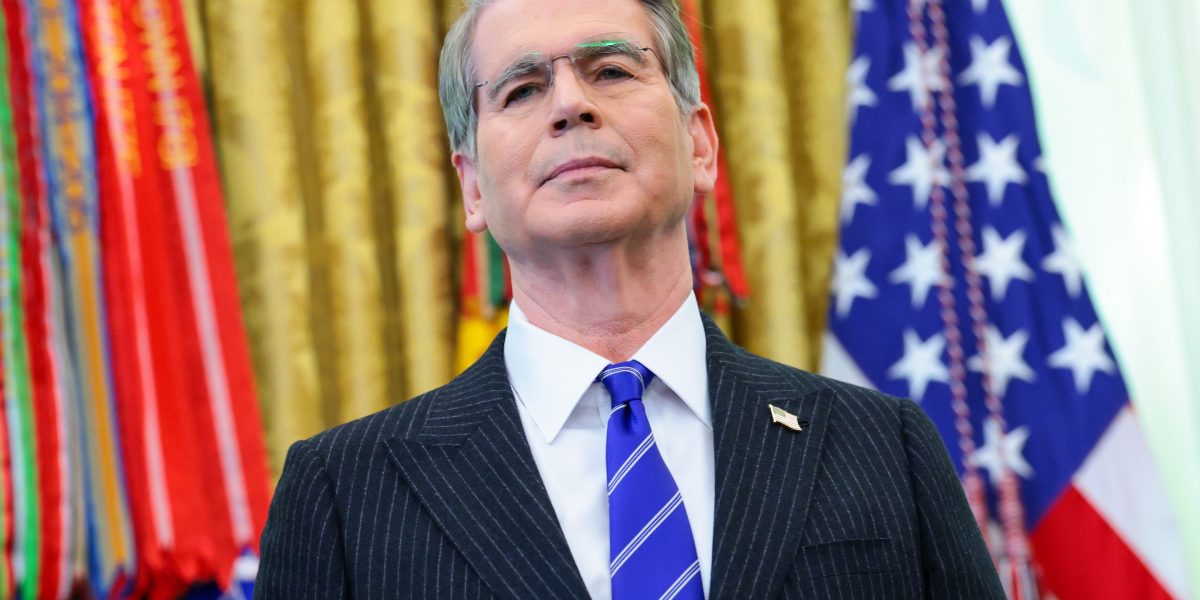
U.S. debt has reached $40 trillion, and publicly held debt is equal to 100% of the country’s economy.
Congressional Budget Office Director Phillip Swagel said faster growth would bring in more tax revenue, but it would not be enough by itself to stabilize the debt.
Higher growth can also raise interest rates and some government costs, adding to the pressure.
Swagel estimated that keeping the debt-to-economy ratio steady could require real growth of 5% to 6% a year, assuming interest rates of 4% to 5%.
That is far above the latest reported pace of 2.2% and Treasury Secretary Scott Bessent’s view that 3% growth could help the country grow out of its debt.
The CBO expects the debt ratio to rise to 120% by 2036 under its current outlook.
Swagel said stabilizing the fiscal path would also require political decisions about taxes and spending, and the CBO plans to include its assessment of AI in forecasts due early next year.

CBO Director Phillip Swagel said economic growth alone is unlikely to stabilize U.S. debt.
He estimated that stabilizing the debt could require real GDP growth of 5% to 6%, assuming interest rates of 4% to 5%.
Swagel said higher growth can raise federal revenue, but can also increase spending and interest costs.
The CBO projects publicly held debt will rise to 120% of GDP by 2036.
Swagel said changes to federal revenue and spending would involve political choices.
- Who
- Phillip Swagel, director of the Congressional Budget Office, discussed the debt outlook at a Minneapolis Fed conference.
- What
- He said growth alone is unlikely to stabilize U.S. debt and estimated that real GDP growth of 5% to 6% could be needed.
- When
- Thursday; the article was published on October 10, 2026.
- Where
- A Minneapolis Fed conference.
- Why
- Higher growth can increase revenue, but it can also raise spending and interest costs; Swagel said revenue and spending changes would also be needed.
Scott Bessent
Phillip Swagel
Growth needed to address debt
Scott Bessent
Bessent said 3% growth would allow the U.S. to grow its way out of the debt problem.
Phillip Swagel
Swagel estimated that stabilizing debt could require real GDP growth of 5% to 6%, and said growth alone was probably not enough.
So growth will help, but it’s probably not plausible that growth alone will stabilize our fiscal trajectory
So then we’re left with changes in revenues and changes in spending, and those are inherently political choices.
With 3% growth, we grow our way out of this
Swagel discussed growth and debt at a Minneapolis Fed conference.
Treasury Secretary Scott Bessent said 3% growth would allow the country to grow its way out of the debt problem.
The CBO is due to issue economic forecasts that Swagel said would incorporate its views on AI.
- Gross U.S. debt
- $40 trillion
- Publicly held debt
- 100% of GDP
- CBO debt projection
- 120% of GDP by 2036
- Estimated real growth needed
- 5%–6%, assuming interest rates of 4%–5%
- Latest real GDP growth cited
- 2.2% in the second quarter
Sources
Related news

Tillis says Trump’s Russian diesel deal may violate US law
Trump and Rubio consider firing US ambassador to Greece

Trump has not decided whether to livestream Nidal Hasan’s execution
US Justice Department investigates networks over White House coverage pause

Vance doubts plan to livestream Nidal Hasan’s execution

Trump names Katie Zacharia as White House press secretary
US suspends major tech firms from green-card labor certification program

Trump creates committee to investigate allegations against Fed governor Lisa Cook
Michigan Senate candidates trade personal attacks in first televised debate

Trump orders inquiry into Federal Reserve governor Lisa Cook

Kansas Sen. Roger Marshall pays bakery bill from 2020 campaign event
