

Business · Energy & Commodities · 7 hrs ago
Water shortages may cut India’s wheat planting by 5-10%
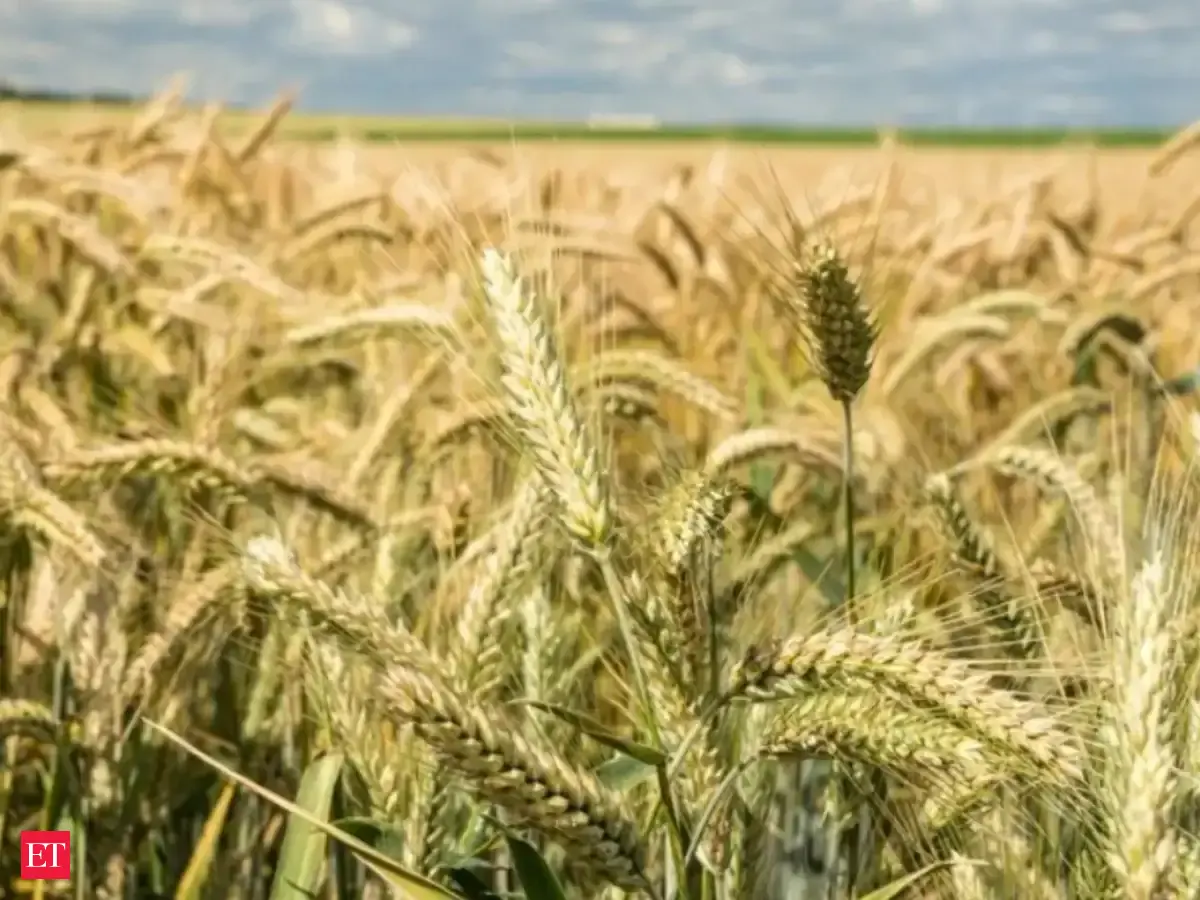
Farmers in India may plant 5% to 10% less wheat this winter because water is scarce after poor monsoon rains.
The concern is strongest in Rajasthan, Gujarat and parts of Madhya Pradesh and Maharashtra, while severe shortages in some areas of Maharashtra, Karnataka and Telangana may prevent farmers from sowing any crop.
Some farmers may switch to crops such as oilseeds, pulses, chickpeas, mustard or maize, which can need less water or offer higher prices.
The government’s increase in the minimum support price for wheat was less than 1%, adding to reasons some farmers may choose other crops.
A smaller wheat crop could affect supplies and prices, but industry representatives say government stocks are nearly twice the required buffer level and should help keep prices in check.
The Food Corporation of India has also issued its first wheat sale tender of 2026 under a scheme intended to increase market supply and reduce government stocks.
India has lifted a four-year wheat export ban and has exported an estimated 300,000 tonnes.

India’s wheat acreage could shrink by 5-10% this winter because water shortages are limiting irrigation.
Farmers in Rajasthan, Gujarat and parts of Madhya Pradesh and Maharashtra are likely to cut wheat planting.
Low rainfall during the monsoon has reduced water availability, while a less than 1% rise in the wheat support price may also discourage planting.
Industry executives expect government wheat stocks, estimated at nearly twice the required buffer, to help keep prices in check.
Some farmers may switch to crops such as oilseeds and pulses, while severe water scarcity could prevent sowing in some areas.
- Who
- Wheat farmers in parts of India may reduce planting; wheat industry executives provided the estimates.
- What
- Wheat acreage could shrink by 5-10% this winter.
- When
- This winter.
- Where
- Rajasthan, Gujarat and parts of Madhya Pradesh and Maharashtra; severe water scarcity also affects parts of Maharashtra, Karnataka and Telangana.
- Why
- Scanty monsoon rainfall has limited irrigation water, and the wheat support price rose by less than 1%.
This story does not have two clearly opposing sides.
This story does not have a timeline yet.
- Possible acreage decline
- 5-10%
- Monsoon rainfall
- Scanty this season
- Wheat minimum support price increase
- Less than 1%
- Government wheat stocks
- Nearly double the buffer norm
- Exported wheat
- Estimated 300,000 tonnes
What people are saying
Area under wheat is expected to decline this year due to multiple factors like prices and availability of water,
Increase in MSP of wheat is the lowest compared to other rabi crops, which can make farmers shift to other crops like oilseeds and pulses. Government wants farmers to shift to these crops to increase our self-sufficiency,
We are afraid that many farmers may shift from wheat this year as prevailing prices of competing rabi crops like chana, mustard and maize are substantially higher than wheat prices,
The current wheat stock with the FCI (Food Corporation of India) is nearly double the buffer norm, which will help keep wheat prices in check,
Sources
Related news

Mesa School of Business raises Rs 110 crore in co-led funding round

IMF raises India’s 2026 growth forecast to 7%

Tonbo Imaging sets ₹665–700 per share price band for ₹852 crore IPO

Bank of India reports Rs 575 crore exposure to Future Enterprises as fraud

RBI restricts overseas rupee derivatives and expands 20% cash reserve rule

Indian stocks may open higher after Monday’s sharp decline

Listed Indian fund managers gain despite market volatility

HD Fire Protect plans ₹712 crore IPO through promoter share sale

India VIX rises as traders expect bigger market swings

Indian stocks fall as Saudi attacks push oil prices higher

Titan tests design-led strategy for lab-grown diamond brand beYon
