World · Europe · 58 mins ago
Most Spaniards see Morocco as a territorial threat, survey finds

A survey conducted in Spain in September found widespread concern about Morocco.
Three-quarters of respondents said Morocco poses a real threat to Spain’s territorial integrity.
The survey followed the arrival of more than 70,000 migrants in the Spanish enclave of Ceuta on July 30 and 31.
The episode raised questions about Morocco’s role, but Prime Minister Pedro Sánchez has denied that Morocco was behind the movement or knew about it in advance.
Fifty-eight percent of respondents said tensions over Ceuta and Melilla could probably lead to armed conflict with Morocco within the next 10 years.
Concern about conflict was higher among younger people and voters for conservative and far-right parties.
At the same time, 68% expected Spain to retain sovereignty over the two cities.

Three in four people in Spain see Morocco as a real threat to the country’s territorial integrity, a POLITICO survey found.
The survey found that 58% think tensions over Ceuta and Melilla are likely to lead to armed conflict with Morocco within the next decade.
More than 70,000 migrants entered the Spanish enclave of Ceuta on July 30 and 31, intensifying Spanish concerns about Morocco.
The Spanish government has denied that Morocco was behind or knew in advance about the arrivals, while some opposition figures have accused Rabat of coordinating the crisis.
The survey was conducted by PF Global in September and published by POLITICO on October 13, 2026.
- Who
- People in Spain surveyed by POLITICO; the story also concerns the Spanish government and Morocco.
- What
- Three in four respondents see Morocco as a threat to Spain’s territorial integrity, and 58% think tensions over Ceuta and Melilla are likely to lead to armed conflict within ten years.
- When
- The survey was conducted in September 2026 and published on October 13, 2026. The migration surge occurred on July 30 and 31.
- Where
- Spain, including the Spanish enclave of Ceuta in North Africa; the tensions concern Ceuta and Melilla.
- Why
- The July migration surge heightened concern and suspicion about Morocco’s role, amid tensions over the two Spanish autonomous cities.
Spanish government
Critics of Morocco’s role in the crisis
Morocco’s involvement
Spanish government
The government has denied that Morocco was behind or knew in advance about the mass arrival of migrants, and has blamed migrant-smuggling gangs.
Critics of Morocco’s role in the crisis
Alberto Núñez Feijóo accused Rabat of coordinating the crisis, and a police report indicated that Moroccan agents may have helped organize the movement of people to the Spanish border.
Characterization of the arrivals
Spanish government
Prime Minister Pedro Sánchez initially described the entry as an attack on Spain’s territorial integrity, but later softened his tone.
Critics of Morocco’s role in the crisis
Feijóo accused the government of hiding Morocco’s alleged role, while Sumar also questioned Morocco’s conduct.
More than 70,000 migrants entered the Spanish enclave of Ceuta.
PF Global conducted the survey for POLITICO.
POLITICO published the survey findings.
- Threat perception
- Three in four respondents said Morocco poses a real threat to Spain’s territorial integrity.
- Armed conflict
- 58% said tensions over Ceuta and Melilla were likely to lead to armed conflict within ten years.
- Migration surge
- More than 70,000 migrants entered Ceuta on July 30–31, 2026.
- Young respondents
- Around 75% of people aged 18–24 considered armed conflict likely.
- Survey
- Conducted by PF Global in September 2026 and published by POLITICO on October 13.
What people are saying
coordinate
attack on Spanish territorial integrity
migrant gangs
Sources
Related news

Zelensky says Russian strikes violated Trump’s proposed energy ceasefire
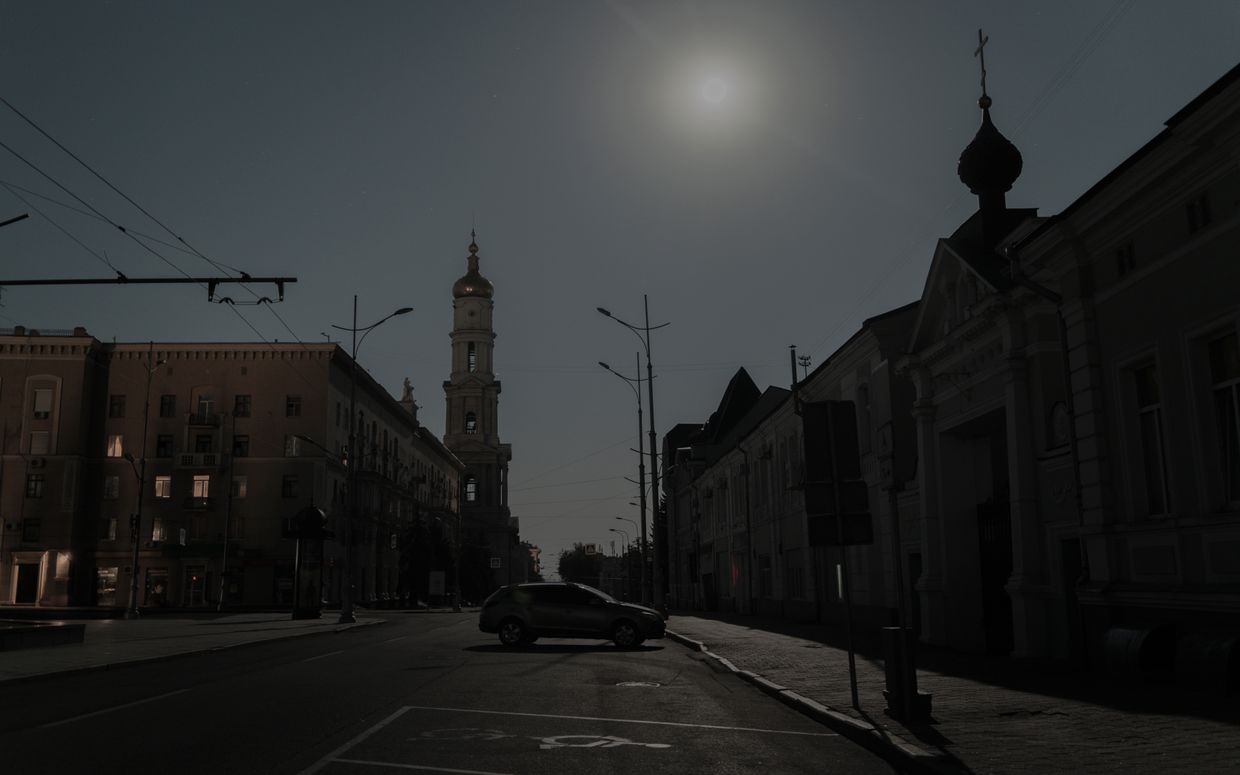
Zelenskyy says Russia is still attacking Ukraine’s energy sites
Moscow mayor says air defenses destroyed 13 more drones heading toward city

14-year-old pupil detained after teachers shot at school in southern France

Fire destroys Paris’s 17th-century Marché des Enfants Rouges

Russia says Europe bought $320.7 billion in its energy since 2022
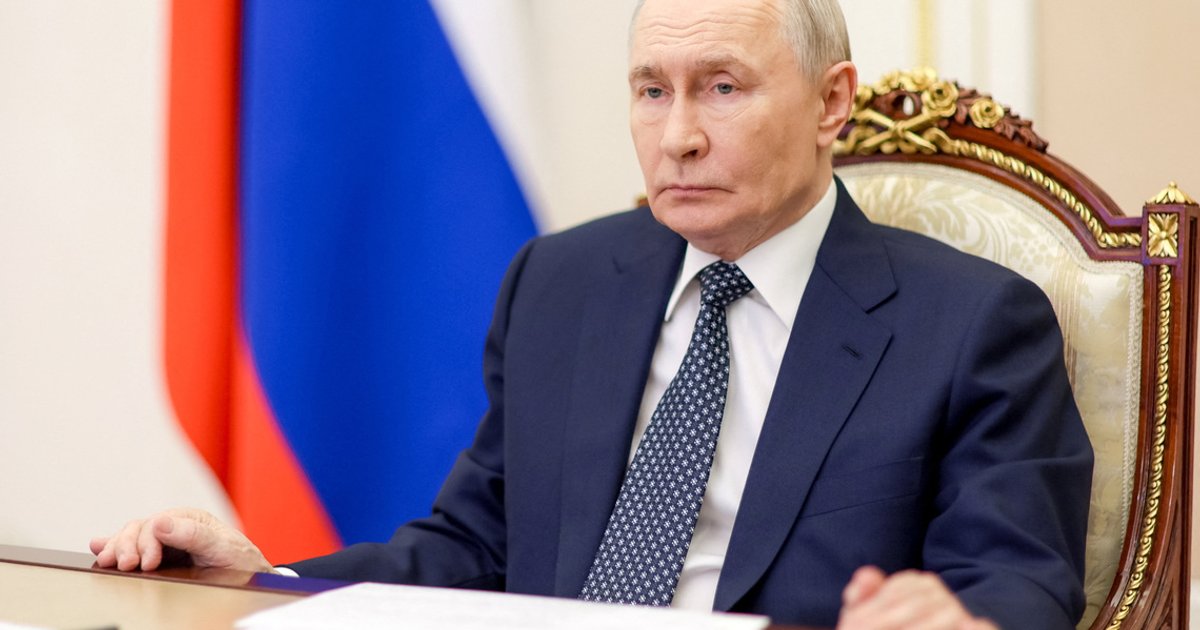
US says Russian diesel deal aims to bring Moscow back to peace talks

Warsaw raises alarm over Russian threats in Europe
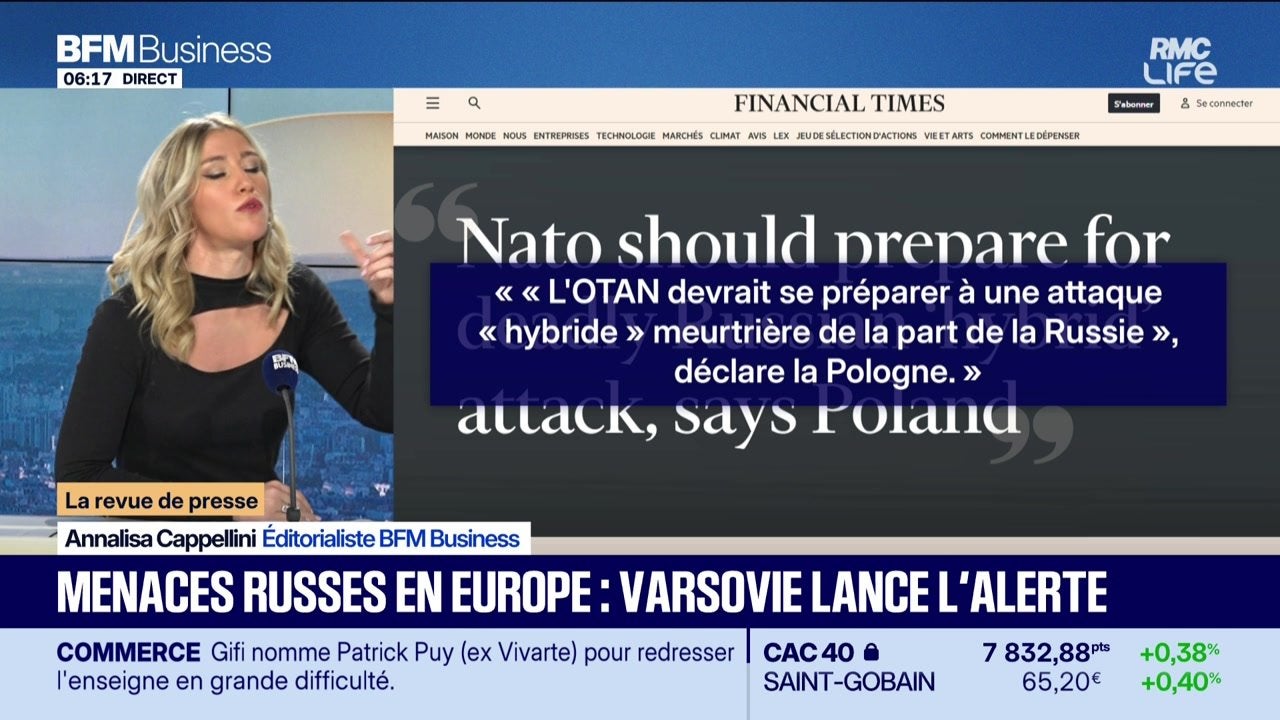
BFM Business replay examines Russian threats in Europe
Trump announces Russia-Ukraine energy ceasefire as diesel deal draws criticism

VVD calls for EU reform as the bloc considers expansion