Business · Energy & Commodities · 1 day ago
Southeast Asia’s Power Demand Is Rising Faster Than Its Grid Capacity
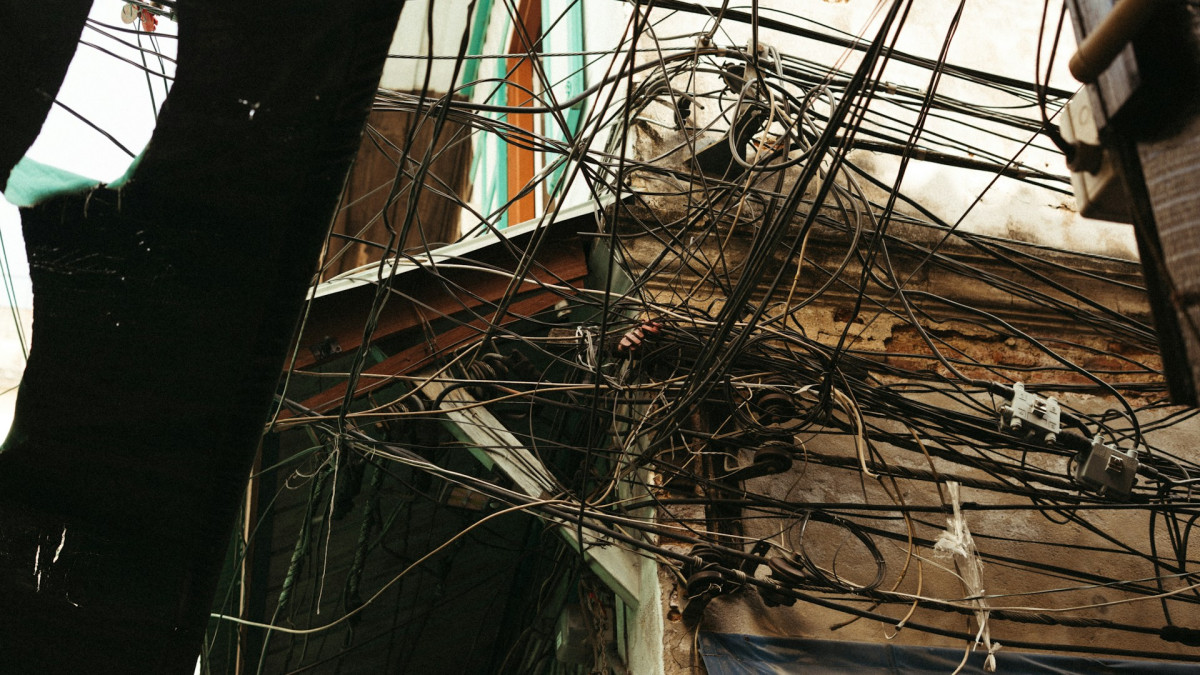
Southeast Asia needs more electricity as its economies grow, but many countries in the region rely heavily on imported oil and gas.
The war in Iran and the closure of the Strait of Hormuz disrupted fuel supplies and pushed prices higher, exposing that dependence.
Governments responded with measures such as energy rationing and work-from-home rules, while the disruption added urgency to plans for renewable energy.
Solar power is expanding, but electricity grids, transmission lines and energy storage are not keeping pace.
In Vietnam, Thailand and Indonesia, 50 to 60 percent of renewable energy projects were cancelled or stalled between 2021 and 2025, according to a cited study, amid infrastructure and policy problems.
More than 100 terawatt-hours of additional electricity demand is expected by 2030, driven by data centers, electric vehicles and industry.
The International Energy Agency says closer cooperation among Southeast Asian countries could help them respond to disruptions and make better use of shared resources.
The sources say that upgrading grid and clean-energy infrastructure is needed, but do not give a specific timeline for those improvements.

Southeast Asia’s fast-growing electricity demand is putting pressure on grids that lack sufficient capacity and maintenance.
More than 100 terawatt-hours of new electricity demand is expected by 2030, driven by data centers, electric vehicles and industrial clusters.
Grid expansion, refurbishment, storage and transmission infrastructure are lagging behind the region’s growing clean energy production.
A report found that 50 to 60 percent of renewable energy projects in Vietnam, Thailand and Indonesia were cancelled or stalled between 2021 and 2025.
The Iran war and the closure of the Strait of Hormuz exposed Southeast Asia’s vulnerability to imported energy and market disruptions.
- Who
- Southeast Asian countries and their energy sectors.
- What
- Electricity demand is rising while grid capacity and supporting infrastructure lag behind.
- When
- More than 100 TWh of additional electricity demand is expected by 2030.
- Where
- Southeast Asia, including Vietnam, Thailand and Indonesia.
- Why
- Economic growth and demand from data centers, electric vehicles and industrial clusters are increasing electricity needs.
This story does not have two clearly opposing sides.
Energy security must be built into decisions across the whole system from oil stocks and gas infrastructure to electricity grids and more efficient use of energy.
Rising fuel imports and fast-growing electricity demand are increasing [Southeast Asia’s] exposure to market disruptions and volatility
The Strait of Hormuz initially closed in response to the United States and Israel’s military campaign in Iran.
The Philippines declared a national energy emergency, while governments across the region introduced measures including energy rationing and work-from-home mandates.
Between 50 and 60 percent of renewable energy projects in Vietnam, Thailand and Indonesia were cancelled or stalled.
More than 100 TWh of new electricity demand is expected in Southeast Asia.
- Expected new electricity demand
- More than 100 TWh by 2030
- Main demand drivers
- Data centers, electric vehicles and industrial clusters
- Renewable projects cancelled or stalled
- 50 to 60 percent in Vietnam, Thailand and Indonesia from 2021 to 2025
- Strait of Hormuz closure
- February
- Region
- Southeast Asia
Sources
Related news
European stocks fall further behind Wall Street as energy and debt concerns grow
ECB may launch new long-term bank funding operations in 2027
Global PC shipments fell 20% in the third quarter of 2026

Bond Selloff Could Reduce Need for Central Bank Rate Hikes

Tesla renames its European driver-assistance system after regulator criticism

SoftBank seeks up to $100 billion from Gulf investors for AI

VW chief urges France and Germany to work together on China car competition

Energy leaders meet in Riyadh to discuss supply security and markets
IMF and World Bank to discuss global economic risks in Bangkok

IMF and World Bank to warn central bankers of gathering storm

IEA urges members to consider releasing more diesel from strategic reserves