Business · Energy & Commodities · 23 hrs ago
Why gasoline prices remain high despite oil traffic through Hormuz
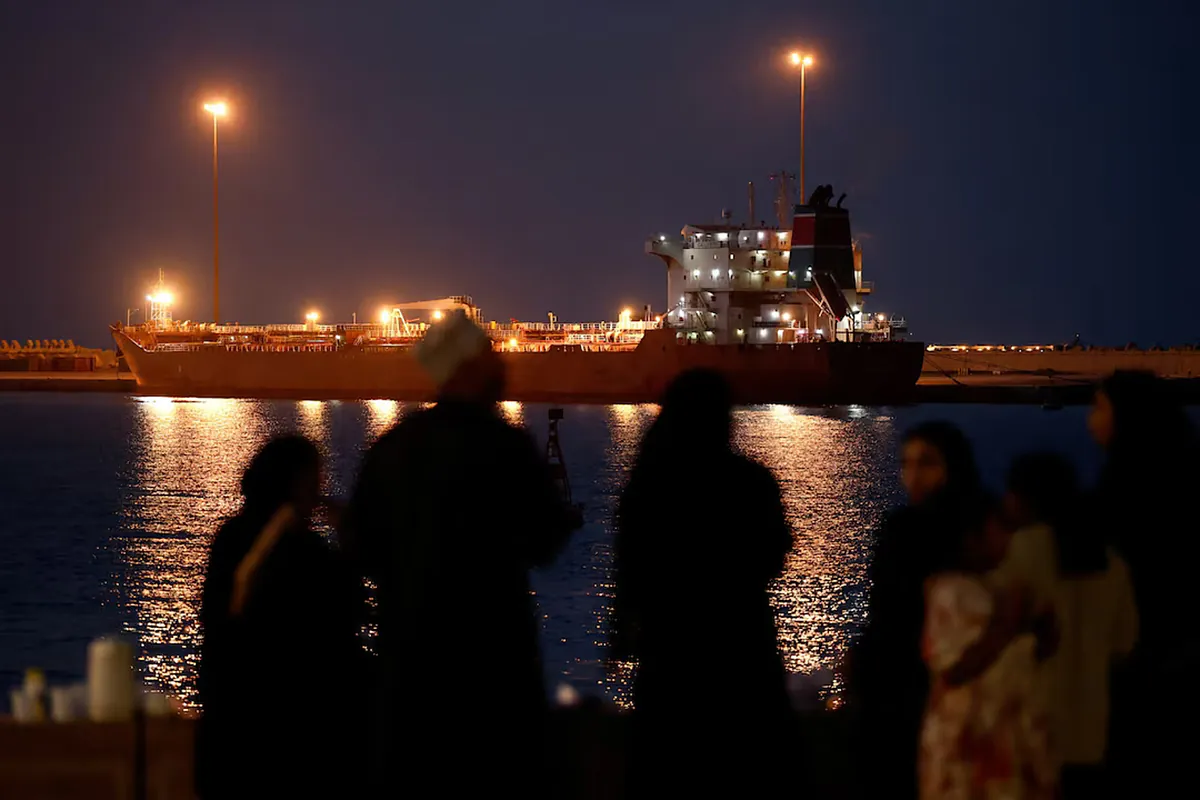
Oil tankers are again moving through the Strait of Hormuz, but gasoline prices have not fallen.
The strait is a key route for oil shipments from the Gulf.
Tankers now cross in night convoys and transfer their cargo to other ships outside the war zone, adding major costs.
Insurance and shipping costs for tankers using the strait have risen fortyfold since the war began.
Some Gulf countries may also be paying Iran an amount equal to 10% to 20% of the cargo value, according to Michelle Brohard of Kpler.
Most tankers carry crude oil, while damaged regional refineries cannot process it into fuels such as gasoline, diesel and kerosene.
As a result, the return of some oil traffic has not restored the supply of finished fuels or brought down their costs.

Oil tanker traffic through the Strait of Hormuz has returned to about 80% of its pre-war level, but gasoline prices have not fallen.
Night-time convoys and transfers of oil to other ships outside the war zone make shipments costly.
Michelle Brohard of Kpler suspects some Gulf countries are paying Tehran the equivalent of 10% to 20% of the cargo on ships crossing the strait.
Tanker insurance and freight costs have risen to 40 times their pre-war levels.
Ships are carrying mainly crude oil because damaged regional refineries cannot process it into fuels such as gasoline and diesel.
- Who
- Oil tankers and Gulf countries are involved in the shipments; consumers face the high gasoline prices.
- What
- Gasoline prices remain high despite tanker traffic through Hormuz reaching about 80% of its pre-war level.
- When
- The article was published on October 10, 2026, and updated on October 11, 2026.
- Where
- The Strait of Hormuz and the surrounding Gulf region.
- Why
- Shipments remain costly, and damaged refineries cannot process crude oil into the fuels consumers use.
This story does not have two clearly opposing sides.
Not available
This story does not have a timeline yet.
- Tanker traffic
- About 80% of the pre-war level
- Convoy timing
- Night-time passages through the Strait of Hormuz
- Payment suspicion
- Equivalent of 10% to 20% of cargo
- Insurance and freight
- Costs multiplied by 40 since the war began
- Regional refineries
- Damaged and unable to process gasoline, diesel, kerosene or heating oil
Sources
Related news

Bond Selloff Could Reduce Need for Central Bank Rate Hikes

VW chief urges France and Germany to work together on China car competition
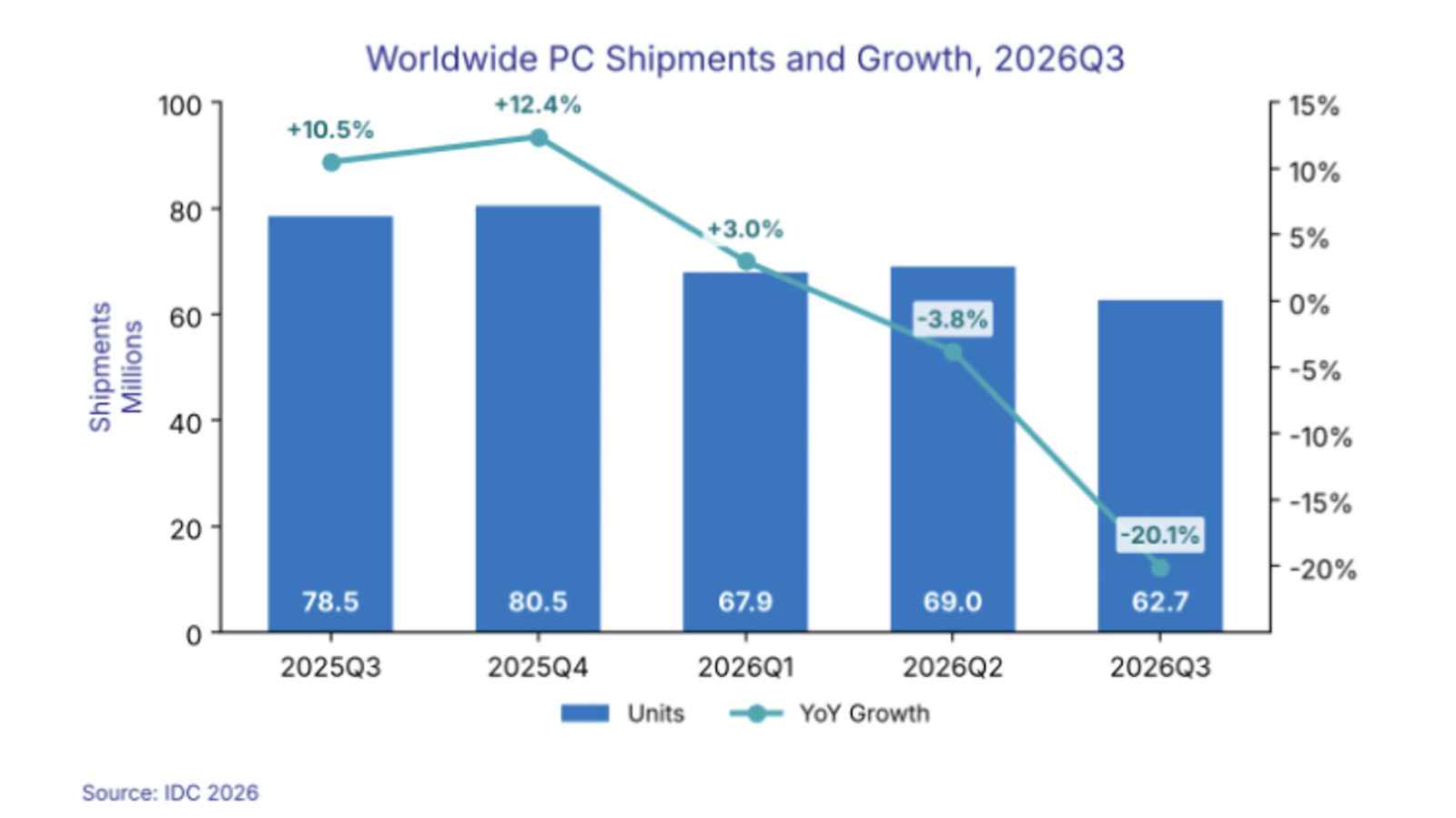
Global PC shipments fell 20% in the third quarter of 2026

IMF and World Bank to warn central bankers of gathering storm

IEA urges members to consider releasing more diesel from strategic reserves

Stellantis plans affordable small EVs to revive its European business
Globalization Expands Despite a Decade of Political Pushback

Volkswagen chief backs EU plan to support European industry
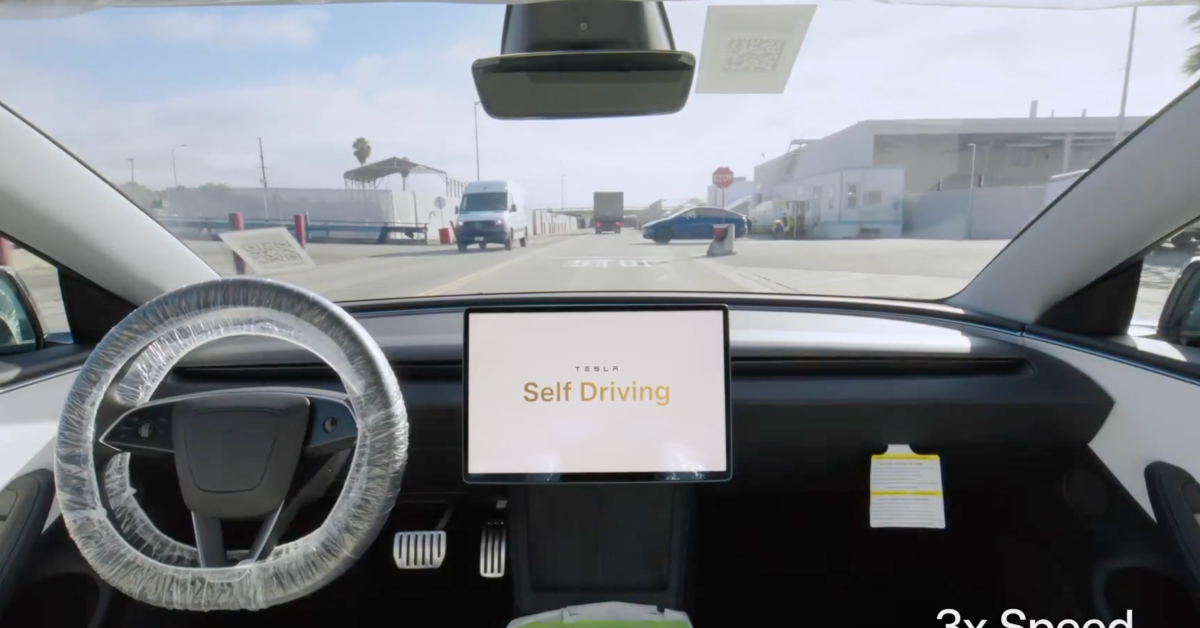
Tesla renames its European driver-assistance system after regulator criticism

SoftBank seeks up to $100 billion from Gulf investors for AI