

Business · Economy · 5 hrs ago
Study says employing 13 million Brazilian homemakers could lift GDP by 2.2%
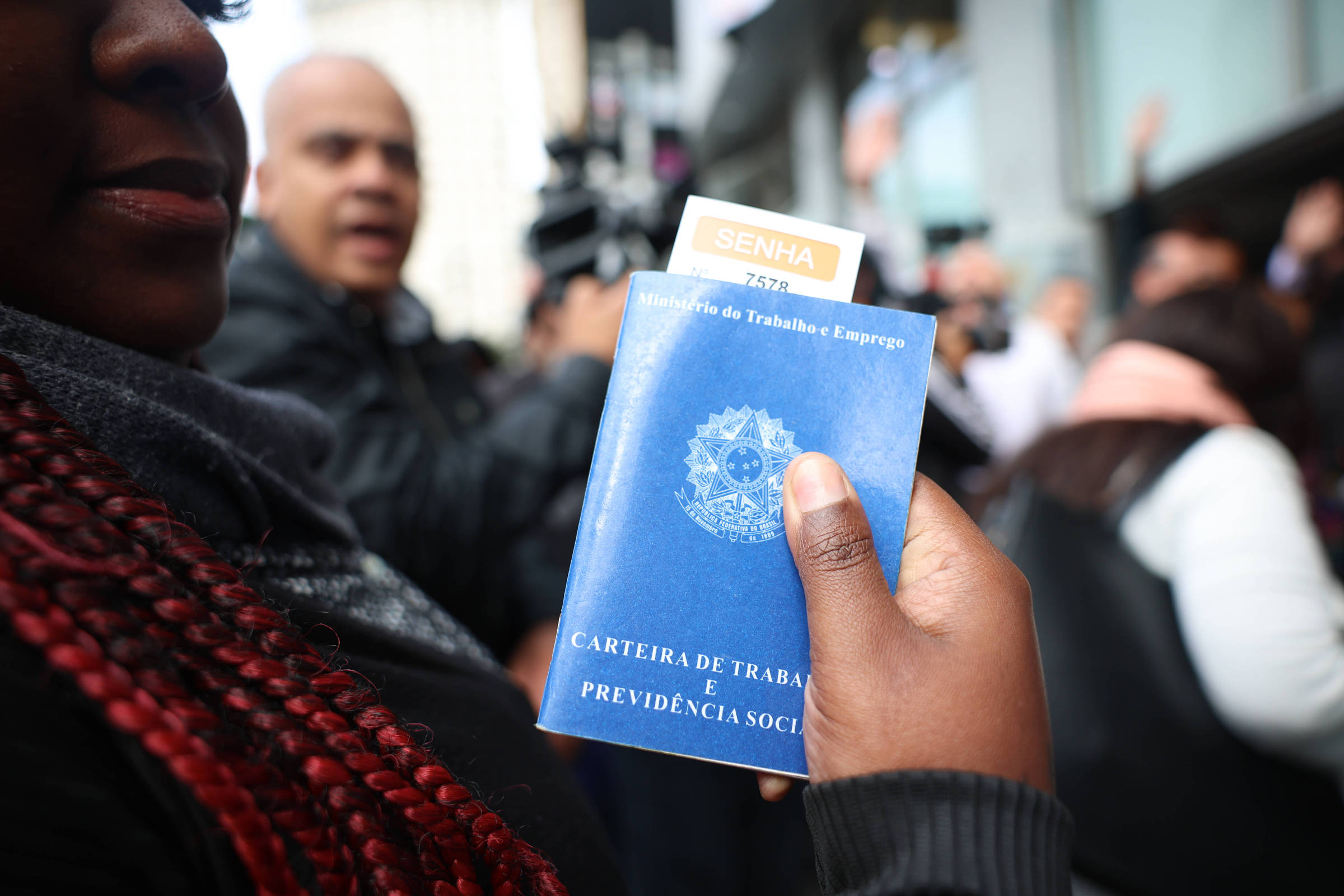
A study estimates that employing 13 million homemakers could lift Brazil’s GDP by 2.2%.
The women are currently outside the workforce because they need to care for their homes and families.
They spend an average of 32 hours a week on unpaid care work.
The researchers estimate that paid jobs for these women could add R$284 billion to the economy in 2025, after accounting for lost benefits such as Bolsa Família.
The estimate links women’s employment to higher economic output and family income.
The researchers say access to childcare, full-time schools and day centres for older people could help women take jobs.
They argue that support services are needed to make this employment possible.

A study estimates that employing 13 million Brazilian women who are homemakers could increase the country’s GDP by 2.2%.
The researchers estimate this would add R$284 billion to the economy in 2025, after deducting Bolsa Família benefits that some women might no longer receive.
The women are outside the workforce because they need to care for their homes and families.
They spend an average of 32 hours a week on care work, according to the study.
The researchers say childcare, full-time schools and day centres for older people could help women take paid jobs.
- Who
- 13 million Brazilian women who are homemakers and are outside the workforce.
- What
- A study estimates that employing them could raise Brazil’s GDP by 2.2%.
- When
- The estimate concerns 2025. The article was published on October 13, 2026.
- Where
- Brazil.
- Why
- The women are not working or seeking jobs because they need to do domestic and care work.
This story does not have two clearly opposing sides.
The period covered by the study’s historical series begins, with women’s workforce participation at 52%.
Women’s workforce participation reached 53%, and the study estimates that employing the 13 million homemakers would add R$284 billion to the economy.
Folha published the article about the study.
- Potential GDP increase
- 2.2%
- Women who could enter paid work
- 13 million
- Estimated added economic output in 2025
- R$284 billion
- Average weekly care work
- 32 hours
- Women outside the workforce
- 42.8 million, or 47% of women
What people are saying
Our autonomy is linked to financial autonomy.
We also want to talk about how women’s independence is linked to work.
Sources
Related news

Brazil energy plan projects distributed generation to reach 91.7 GW by 2036

Vamos shares surge while Vale nears recent lows

IMF lowers Brazil’s 2026 growth forecast to 2.2%

Earnings season may test whether AI boosts company productivity

Brazilian mini-dollar futures extend losses as real strengthens

Brazil mini-index rises as overbought reading signals caution

Brazil’s Ibovespa stock index sets a new intraday record

Júnior Vianna to demonstrate Renko chart analysis at Casa Clear

CAIXA consortium leads Brazil in real estate credit awards

US chip shares fall as investors question AI spending and await bank results

Ibovespa rose 8.82% as dollar futures fell 4.64% in a week
