

Health · Pharma & Biotech · 6 hrs ago
Lenacapavir and cabotegravir controlled HIV in a small patient study
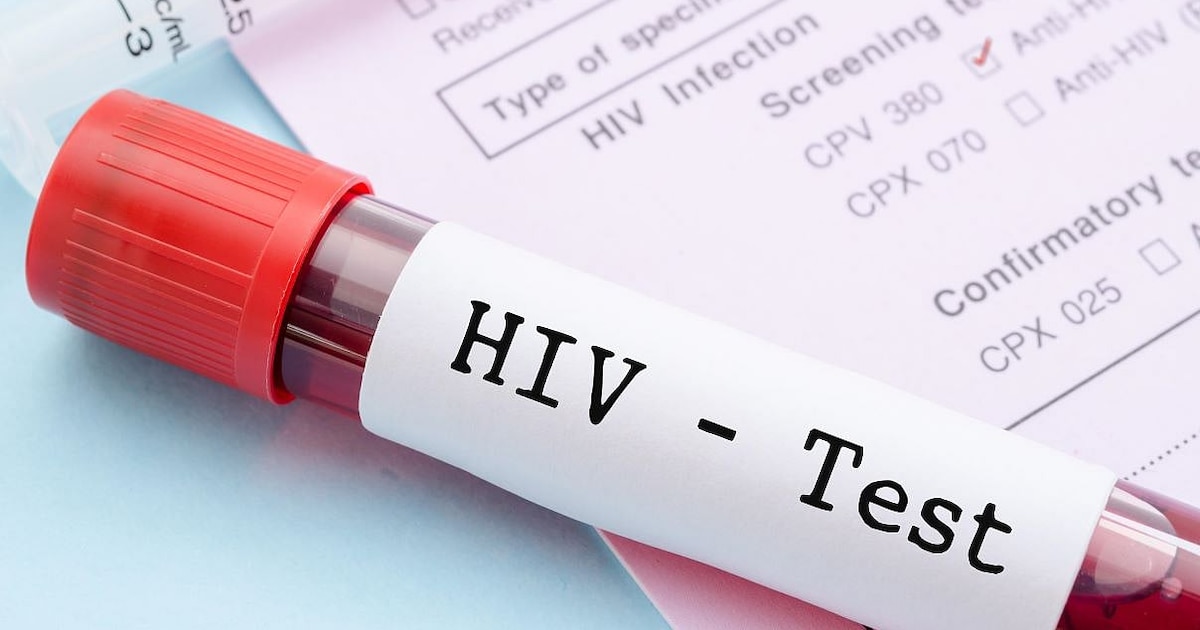
Researchers at the University of California, San Francisco, studied a long-acting combination of lenacapavir and cabotegravir in 46 people with HIV.
It is intended as an option for patients who have trouble taking daily pills or whose virus has developed resistance to rilpivirine, a drug used in another long-acting treatment.
Nearly three-quarters of the participants had resistance that could limit the use of that treatment, and more than half had detectable HIV.
Among those with detectable virus, the new combination brought HIV under control within 13 weeks.
After nearly two years, all participants had undetectable levels of HIV, the researchers said.
The findings suggest this combination could offer another treatment option, but the study involved a small group.
Researchers said the results could help doctors feel more confident using the medicines together.

A small study found that lenacapavir and cabotegravir controlled HIV in patients whose virus could limit the use of the usual long-acting combination.
The study included 46 patients treated at the University of California, San Francisco’s Ward 86 HIV clinic.
Among patients with detectable HIV, the combination controlled the virus within 13 weeks.
After nearly two years, all patients had undetectable HIV viral loads.
The findings were reported on October 8 in JAMA Network Open.
- Who
- 46 patients treated at UCSF’s Ward 86 HIV clinic took part in the study.
- What
- Researchers studied a long-acting combination of lenacapavir and cabotegravir to control HIV.
- When
- The findings were reported on October 8, 2026. The article was published on October 12, 2026.
- Where
- UCSF’s Ward 86 HIV clinic in San Francisco.
- Why
- The combination was studied as an option for patients whose HIV resistance can limit use of rilpivirine.
This story does not have two clearly opposing sides.
The lenacapavir and cabotegravir combination controlled HIV among patients who had detectable levels.
All patients continued to have undetectable HIV viral loads.
The findings were reported in JAMA Network Open.
- Participants
- 46 patients
- Study site
- Ward 86 HIV clinic, University of California, San Francisco
- Detectable HIV
- More than half of participants had detectable HIV at the start
- Time to control
- Within 13 weeks among patients with detectable levels
- Follow-up outcome
- All patients had undetectable viral loads after nearly two years
What people are saying
Doctors are already beginning to use these two medications together, and so far we have had very little evidence to guide us
This is the largest group studied with this combination, and we believe these findings could help providers feel more confident using it
Sources
Related news

Italian Registry Study Finds Avacopan Appeared Effective for AAV

Merck’s eye drug meets main study goal, but results are mixed

FDA approves Asahi Kasei’s herpes treatment

Inclisiran lowered LDL cholesterol more than bempedoic acid in a trial

Bristol Myers lung drug succeeds at lower dose, but higher dose misses target

Mirum reports late-stage trial success for Livmarli in rare liver diseases

Bristol Myers reports two Phase 3 trial successes

Aficamten Improves Exercise Capacity in Nonobstructive Heart Condition Trial

GLP-1 drugs may have a role in addiction care, but questions remain

Retatrutide led to major weight loss in a trial involving adults with type 2 diabetes
EU approves evolocumab for adults at high cardiovascular risk
