Politics · Brazil · 6 hrs ago
Lula and Flávio Bolsonaro set out different economic plans for Brazil
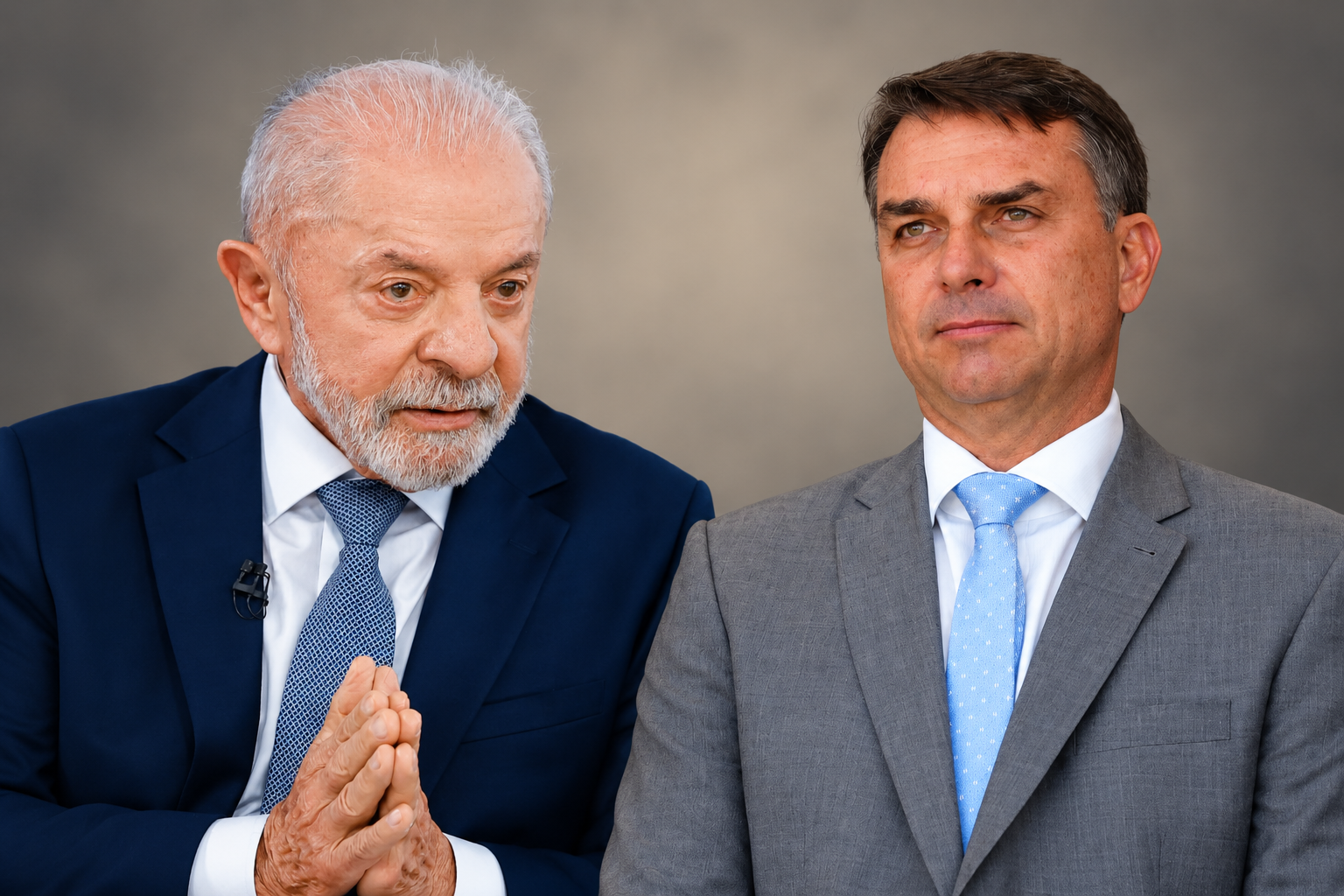
Brazilian President Luiz Inácio Lula da Silva and Senator Flávio Bolsonaro have submitted economic plans for the 2026 election.
Their proposals outline different approaches for the next four-year term.
Lula’s plan would keep the current fiscal rules and expand public credit, industrial policy and infrastructure investment.
It also aims to reduce the budget deficit and support industries linked to technology and the energy transition.
Flávio Bolsonaro’s plan proposes cutting government spending, eliminating at least ten ministries and deregulating parts of the economy.
It also calls for changes to taxes and fiscal rules, and a renewed program of privatization.
The plans matter because they offer contrasting views on how government policy can support growth and attract investment; what happens next depends on the election result.

Plans filed with Brazil’s Superior Electoral Court show different economic approaches from President Luiz Inácio Lula da Silva and Senator Flávio Bolsonaro.
Lula’s plan backs the current fiscal framework, industrial policies and expanded public credit.
Bolsonaro’s plan calls for cutting government spending, deregulation and tax changes.
Bolsonaro’s plan targets annual economic growth of 4%, while Lula’s plan projects a primary deficit of 0.4% of GDP at the end of 2026.
The plans also differ on the state’s role in the economy and attracting investment.
- Who
- President Luiz Inácio Lula da Silva and Senator Flávio Bolsonaro.
- What
- They filed competing economic plans for Brazil’s next presidential term.
- When
- The plans are for the next four years; the article was published on October 12, 2026.
- Where
- Brazil.
- Why
- The plans set out different approaches to fiscal policy, taxation, the role of the state and investment.
Lula’s government
Flávio Bolsonaro’s opposition
Fiscal policy
Lula’s government
Keep the current fiscal framework and seek to reduce the primary deficit.
Flávio Bolsonaro’s opposition
Replace current rules with a strict cap on discretionary spending and targets to reduce the debt-to-GDP ratio.
Role of the state
Lula’s government
Strengthen industrial policy and expand public credit and investment.
Flávio Bolsonaro’s opposition
Reduce government structures and operating costs, deregulate and attract private capital.
Tax and investment
Lula’s government
Expand financing programs and support investment in infrastructure and industry.
Flávio Bolsonaro’s opposition
Review the tax reform to limit the projected VAT rate, reduce taxes on investments, and eliminate some taxes.
This story does not have a timeline yet.
- Bolsonaro growth target
- 4% a year
- Bolsonaro ministries proposal
- Eliminate at least 10 ministries
- Lula fiscal projection
- Primary deficit of 0.4% of GDP at the end of 2026
- Lula public credit programs
- More than R$130 billion
- Lula fiscal adjustment
- 2% of GDP, about R$240 billion
Sources
Related news
Brazil’s electoral court orders removal of misleading video about Lula rally

Lawyer Nelson Martins, father of Justice Cristiano Zanin, dies at 90

Erika Hilton says PSOL made a strategic error and may leave in 2027

Flávio Bolsonaro pledges to dismantle government anti-disinformation bodies

Lula gains among Brazil’s richest, while Flávio Bolsonaro advances across income groups

Young man shot 27 times by police in São Paulo; officers taken off street duty

Lula and Flávio Bolsonaro attend Masses honoring Brazil’s patron saint

Family seeks answers after BOPE officer dies in gunfire exchange with police
Lula campaign accuses Meta of limiting its posts before Brazil runoff
Marina Silva criticizes bolsonarismo in post about children

Brazil plans to open new wings at Rio’s Bonsucesso Federal Hospital