

Politics · Canada · 4 hrs ago
Quebec premier-elect vows to pursue independence referendum by 2030

Quebec premier-elect Paul St-Pierre Plamondon plans to pursue independence from Canada and hold a sovereignty referendum by 2030.
His Parti Québécois won a minority government, and recent polls cited in the story show 70 per cent of Quebeckers do not want to separate.
He says a vote will wait until after U.S. President Donald Trump leaves office, because trade conflict with the United States needs attention first.
The prospect of a referendum could make companies hesitate before investing in Quebec, though one business leader said the threat is not currently felt by businesses.
The party also wants to sharply reduce immigration, a move business people warn could make it harder to find workers.
Its minority status means it will need support from other parties to pass laws, while the small share of the vote it won has eased some investors’ concerns about a secession vote.
Quebec’s leaders disagree on the economic cost of independence: the outgoing finance minister warned of up to $65-billion in lost economic activity over five years, while the Parti Québécois says independence could bring savings.

Quebec premier-elect Paul St-Pierre Plamondon says he intends to hold a sovereignty referendum by 2030.
He said he plans to wait until U.S. President Donald Trump leaves office before pursuing a vote.
Recent polls show 70 per cent of Quebeckers do not want Quebec to separate.
Business leaders say a referendum could affect investment, while the PQ says independence would strengthen Quebec’s economy and culture.
The PQ won a minority mandate with 28 per cent of the vote, so it will need support from other parties to pass legislation.
- Who
- Quebec premier-elect Paul St-Pierre Plamondon and the Parti Québécois (PQ).
- What
- St-Pierre Plamondon says he will pursue a sovereignty referendum by 2030.
- When
- By 2030; he said he plans to wait until U.S. President Donald Trump leaves office.
- Where
- Quebec, Canada.
- Why
- The PQ says independence is needed to turn Quebec’s potential wealth into real wealth and protect its linguistic and cultural sustainability.
Parti Québécois
Eric Girard, Quebec’s outgoing finance minister
Economic impact
Parti Québécois
The PQ says independence would yield billions in savings by scrapping or merging about 230 federal agencies operating in Quebec.
Eric Girard, Quebec’s outgoing finance minister
Girard warned that an independent Quebec would be poorer and could lose up to $65-billion in economic activity during the first five years after a yes vote.
Case for independence
Parti Québécois
The PQ says independence is essential to realize Quebec’s wealth and ensure its linguistic and cultural sustainability.
Eric Girard, Quebec’s outgoing finance minister
Girard compared the potential economic impact to Brexit in the U.K.
St-Pierre Plamondon spoke at a post-election news conference in Quebec City.
St-Pierre Plamondon confirmed that he intends to move forward with a vote on independence.
St-Pierre Plamondon says he will pursue a sovereignty referendum.
- Referendum target
- By 2030
- PQ share of vote
- 28 per cent
- Quebeckers opposed to separation
- 70 per cent, according to recent polls
- Proposed corporate tax rate
- 9.5 per cent, down from 11.5 per cent
- Potential economic loss after a yes vote
- Up to $65-billion during the first five years, according to Eric Girard
- Federal agencies in Quebec
- Roughly 230, which the PQ says could be scrapped or merged
What people are saying
The commercial conflict with our neighbours to the south will take up an enormous amount of our time and space over the next several weeks
The threat of a referendum, a winning referendum, is not felt by the business community right now
independence is not a leap into the unknown but an essential condition for transforming Quebec’s potential wealth into real wealth and for ensuring its linguistic and cultural sustainability
Sources
Related news

Carney urges Alberta to stay in Canada ahead of referendum vote
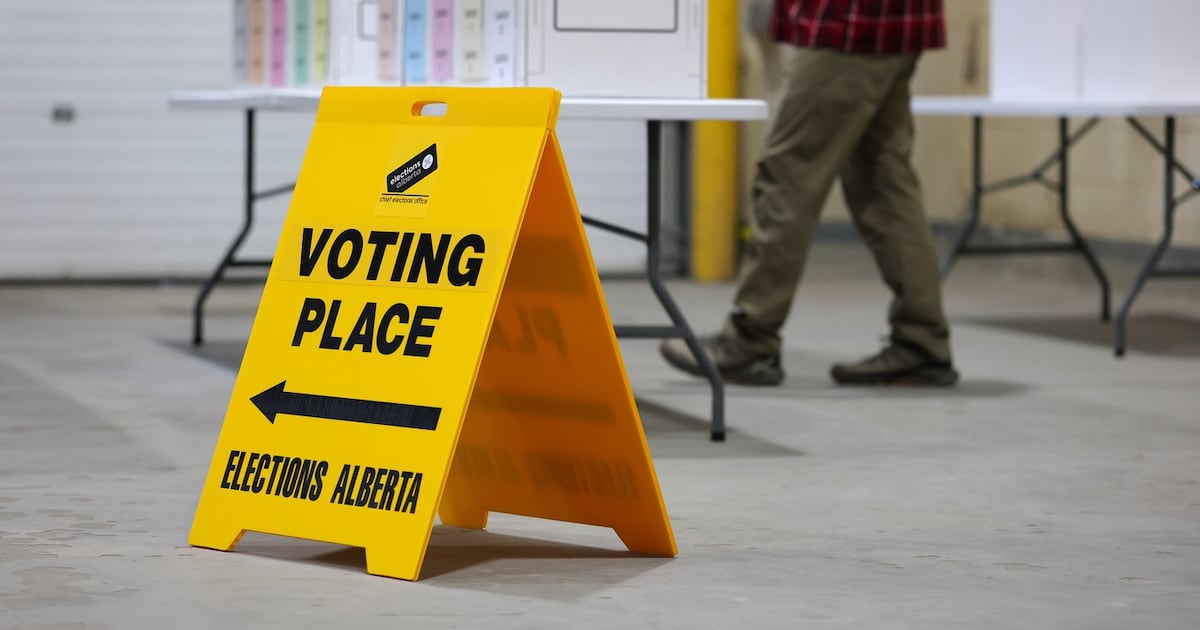
Alberta referendum advance polls set to open this week
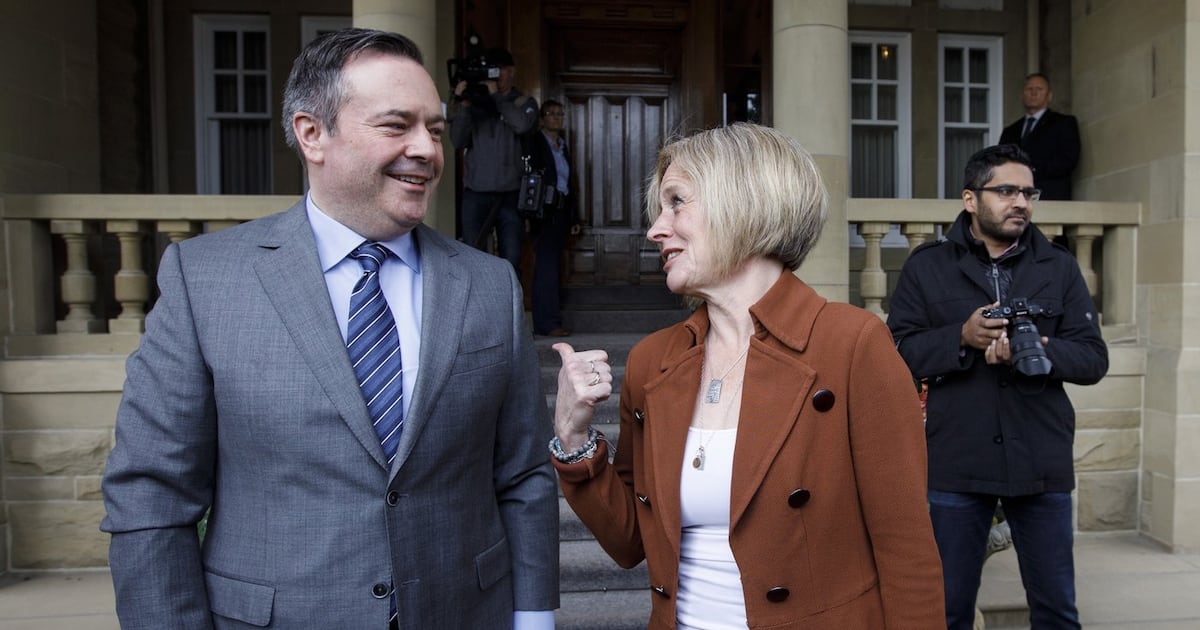
Former rivals Notley and Kenney to appear together before separation vote

Carney urges Alberta to stay in Canada ahead of separation vote
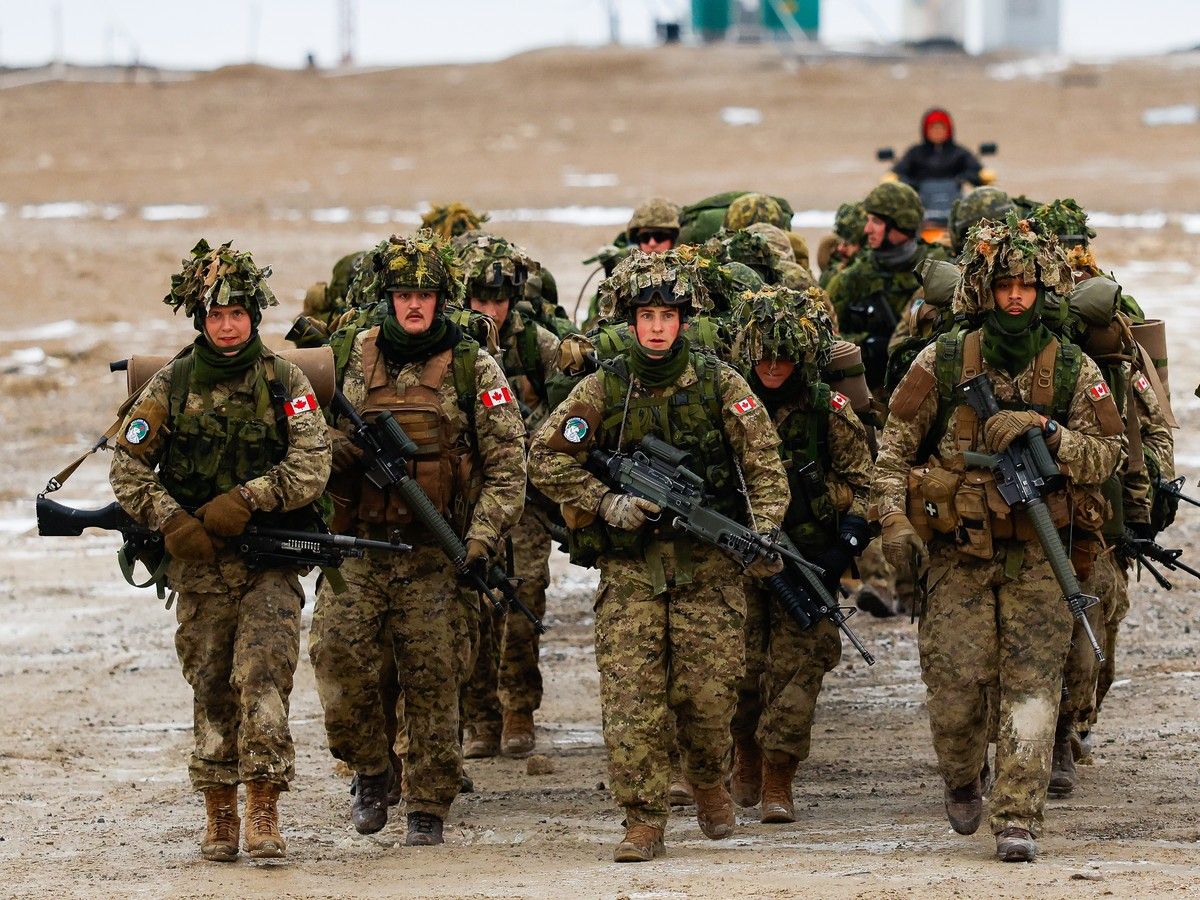
Canada’s military faces aging equipment and years of neglect
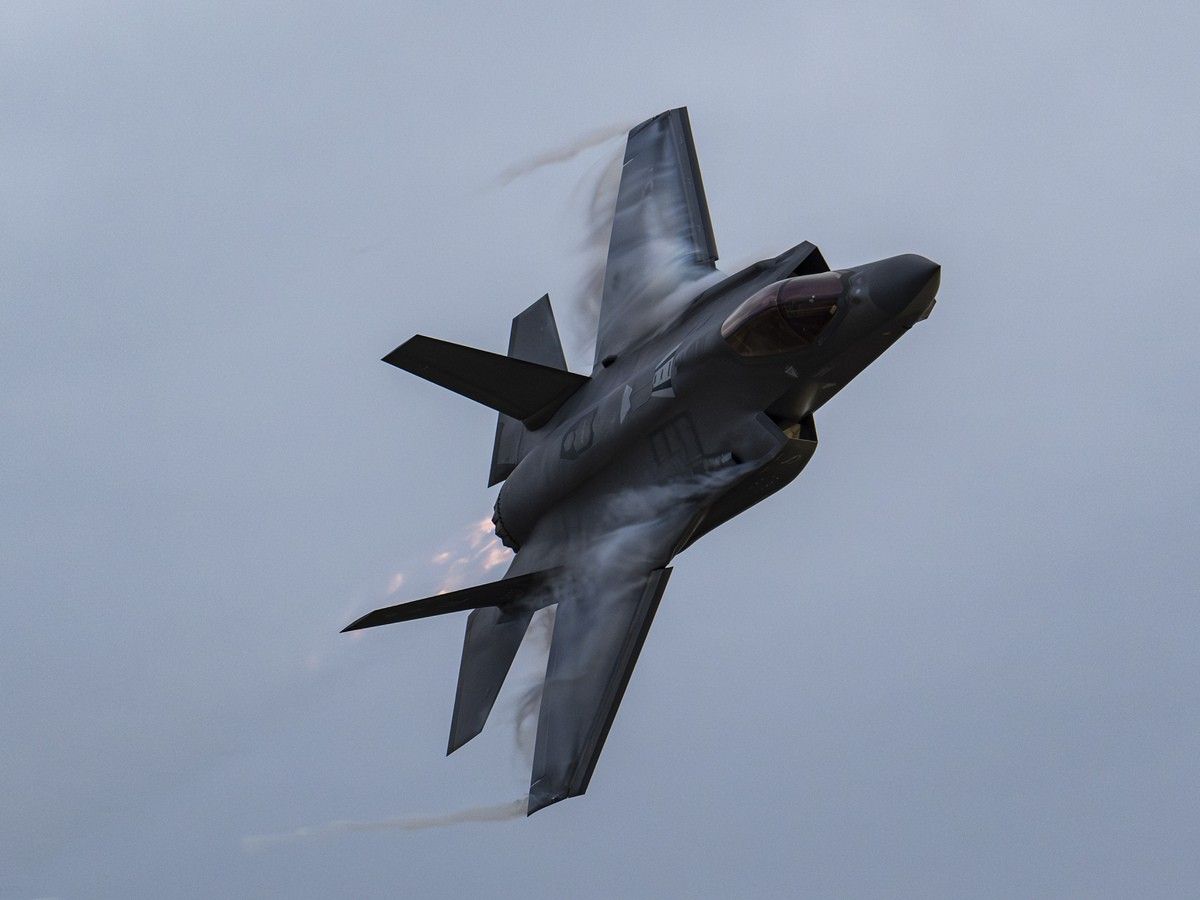
Retired general says Canada lacks staff for two fighter fleets
Benchmark Canada compares more than 40 measures of the country’s performance

Brandon seeks a way to deal with long-vacant downtown buildings

Poll finds broad Canadian support for closer ties with the EU

RCMP plans closer FBI ties as critics warn Canada is too dependent

Canada begins deportation proceedings against Chinese community leader
