Health · Medical Research · 1 day ago
Lab Study Finds a Plastic Chemical Affects Multiple Types of Ovarian Cells
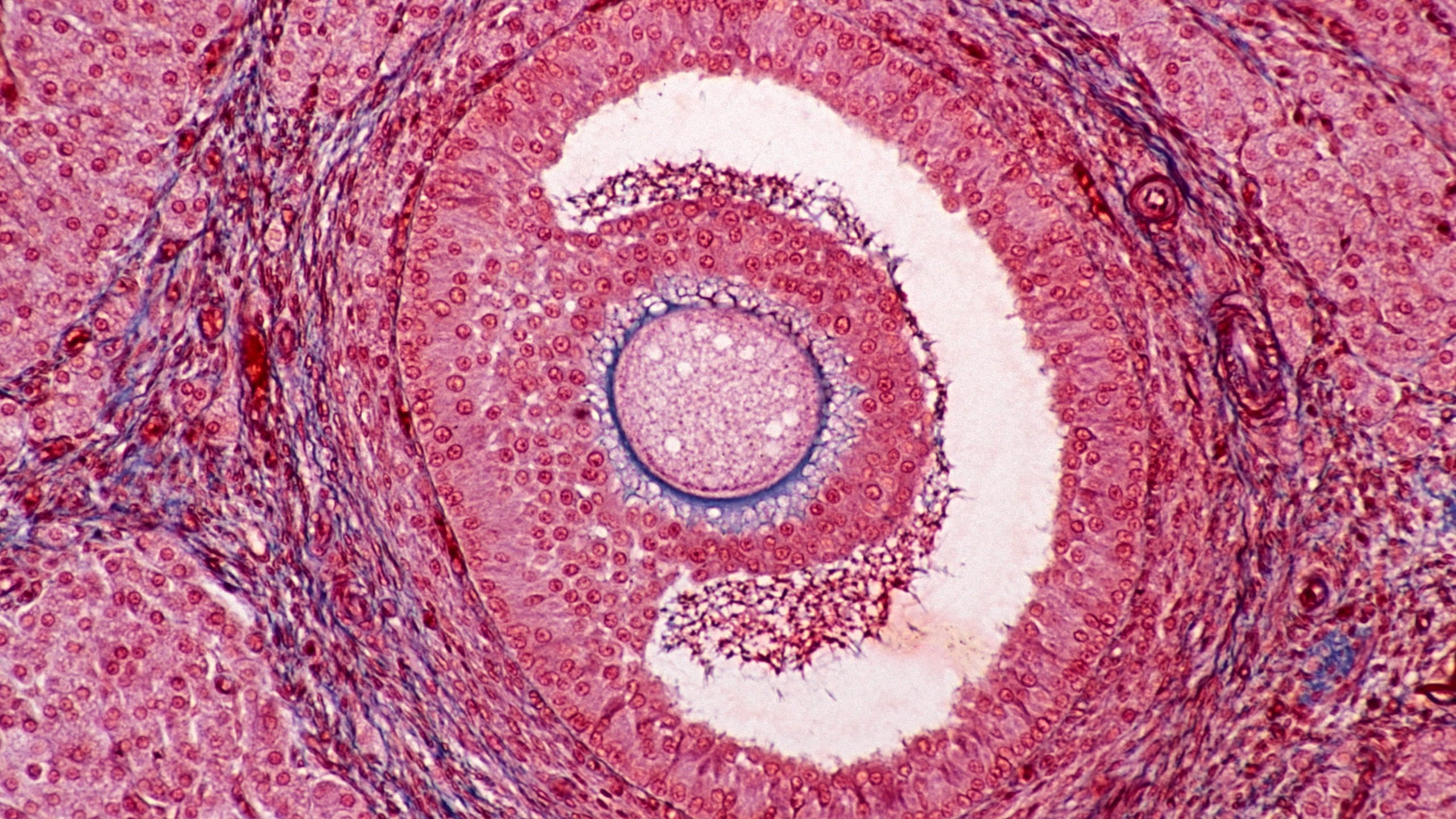
DEHP is a chemical used to make some plastics more flexible, including PVC and food packaging.
The body can turn DEHP into MEHP, which earlier animal and laboratory studies have linked to possible hormone disruption.
Researchers in Sweden exposed donated human ovarian tissue to MEHP in a laboratory for six days.
They found that more types of ovarian cells were affected than the egg-producing follicles that past research has often focused on.
Cells linked to the ovary’s nervous system appeared especially sensitive.
The study used tissue from seven donors, so its findings do not show how the chemical affects ovaries in the general population.
The results add evidence for further research as countries differ in how they restrict DEHP in products such as medical equipment, cosmetics and food packaging.

A study published in eBioMedicine examined how MEHP, a substance produced when the body processes the plastic chemical DEHP, affects human ovarian tissue.
Researchers from the Karolinska Institute and its affiliated hospital tested ovarian tissue samples from seven individuals in a laboratory.
The samples were exposed for six days to a solvent control or to one of two MEHP concentrations: 20.51 nanomoles per liter or 20.51 × 1000 nanomoles per liter.
In the single-cell sequencing analysis, which examined tissue from one donor, gene expression differed significantly between the control and MEHP-exposed groups across the cell types studied.
The researchers reported that ovarian nervous-system cells appeared particularly sensitive, but said the findings need to be replicated in tissue from more individuals.
- Who
- A research team from the Karolinska Institute and its affiliated hospital
- What
- A laboratory study of how MEHP exposure affects human ovarian tissue
- When
- Published 10 October 2026
- Where
- Sweden
- Why
- To examine how MEHP affects ovarian cell types beyond the follicles traditionally studied
This story does not have two clearly opposing sides.
Our results show that phthalates affect considerably more cell types in the ovary than the egg cells and follicles that have traditionally been the focus of research,
The most unexpected finding was that cells from the ovary's nervous system appeared to be particularly sensitive to the exposure.
This story does not have a timeline yet.
- Study publication
- eBioMedicine
- Tissue donors
- Seven individuals
- Exposure period
- Six days
- MEHP concentrations
- 20.51 nM and 20.51 × 1000 nM
- Sequencing analysis
- Tissue from one 23-year-old donor who had undergone gender-affirming oophorectomy
Sources
Related news

Pope Leo to have surgery to remove an early-detected lung nodule

Pope Leo XIV to have surgery to remove early-stage lung nodule

ADHD and Later Cognitive Diagnoses: Why the Risk Estimate Needs Context

Higher Pre-Surgery A1c Linked to Macular Edema Risk After Cataract Surgery

Pope Leo XIV to have lung nodule removed in surgery this week

PRIMA retinal implant showed control of geographic atrophy for up to 3 years

Presley Gerber died at 27 after years of public struggle with addiction

Chewable gummy offers another oral-care option for people with dementia

Study asks how intense intercourse feels for each partner

Pope Leo XIV says he will have surgery to remove a lung lesion

Chiranjeevi urges people to seek early cancer screening