Business · Economy · 1 day ago
Economic growth is not easing the cost pressures many households face

Economic growth measures the value of goods and services produced, but it does not show who benefits or what ordinary people can afford.
In the United States, median household income reached a record $87,460 in 2025 after adjusting for inflation, but it was only 2.5% higher than in 2019.
In the European Union, home prices rose 53% and rents rose 25% from 2010 to 2024.
Housing took an average of 19% of European households’ disposable income in 2024, and 37% for low-income households.
Real wages have begun to recover in many countries, but in many places they remain below the level they might have reached without the inflation that began in 2022.
Slower inflation means prices are rising more slowly, not that they have returned to where they were before.
That gap helps explain why economic growth may not feel like progress to people whose wages must cover housing, food and energy.

Economic growth and rising production have not translated into a sense of greater prosperity for many people, as housing, food and energy costs remain high.
The article says gross domestic product does not show how the gains from growth are distributed or what ordinary workers can afford.
In the United States, median household income reached a record $87,460 in 2025 after inflation, but was only 2.5% higher than in 2019.
Across the European Union, house prices rose 53% and rents rose 25% between 2010 and 2024.
Real wages have begun to recover in many countries, but the article says they remain below where they might have been without the inflation shock that began in 2022.
- Who
- Households and workers in the United States, Europe and other countries described in the article.
- What
- People feel poorer despite economic growth, as living costs and housing expenses weigh on their purchasing power.
- When
- The article was published on October 10, 2026; it discusses economic changes across several periods, including 2010–2026.
- Where
- The United States, the European Union, France and Lebanon are among the places discussed.
- Why
- Growth figures do not show how gains are distributed, while prices remain high and real wages have not fully recovered.
This story does not have two clearly opposing sides.
inflation is falling
but prices are still high
House prices in the European Union rose 53%, while rents rose 25%.
US median household income after inflation rose 2.5% over six years, according to the article.
The article says an inflation wave hit the world and real wages in many countries remained below the level they might otherwise have reached.
A French household of four lost an estimated €1,200 a year in purchasing power on average.
Average real wage growth in OECD countries was 2.2%, compared with 2.7% in the same period a year earlier.
- US median household income
- $87,460 in 2025, after inflation
- US income growth
- 2.5% from 2019 to 2025, after inflation
- EU house prices
- Up 53% from 2010 to 2024
- EU rents
- Up 25% from 2010 to 2024
- France household purchasing power
- Estimated average loss of €1,200 a year for a family of four from 2024 to 2026
- OECD real wage growth
- 2.2% in the first quarter of 2026
Sources
Related news

Bond Selloff Could Reduce Need for Central Bank Rate Hikes

VW chief urges France and Germany to work together on China car competition
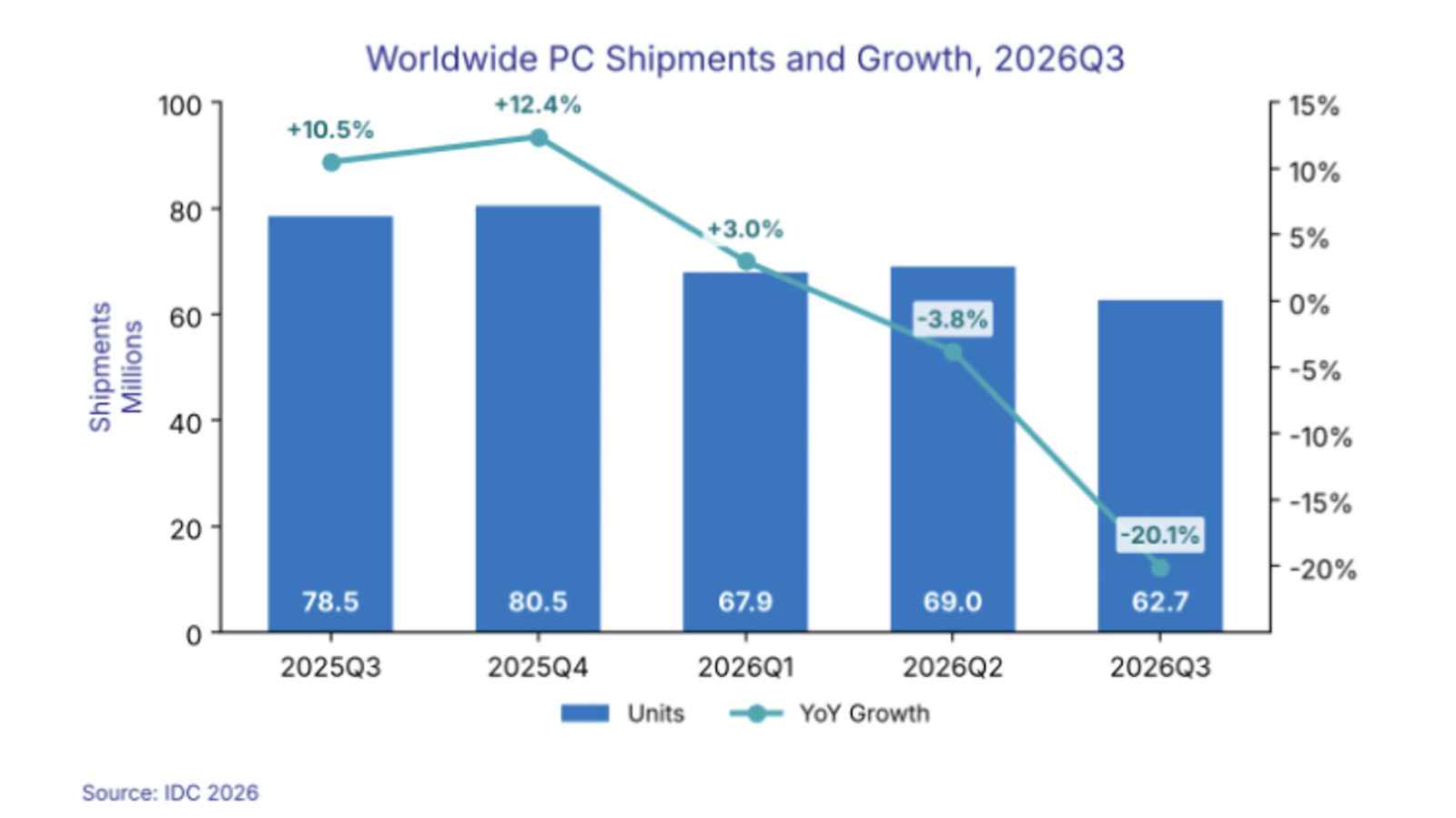
Global PC shipments fell 20% in the third quarter of 2026

IMF and World Bank to warn central bankers of gathering storm

IEA urges members to consider releasing more diesel from strategic reserves

Stellantis plans affordable small EVs to revive its European business
Globalization Expands Despite a Decade of Political Pushback

Volkswagen chief backs EU plan to support European industry

Tesla renames its European driver-assistance system after regulator criticism

SoftBank seeks up to $100 billion from Gulf investors for AI