

Health · Medical Research · 1 day ago
Doctors explain how persistent pain can be linked to irritable bowel syndrome
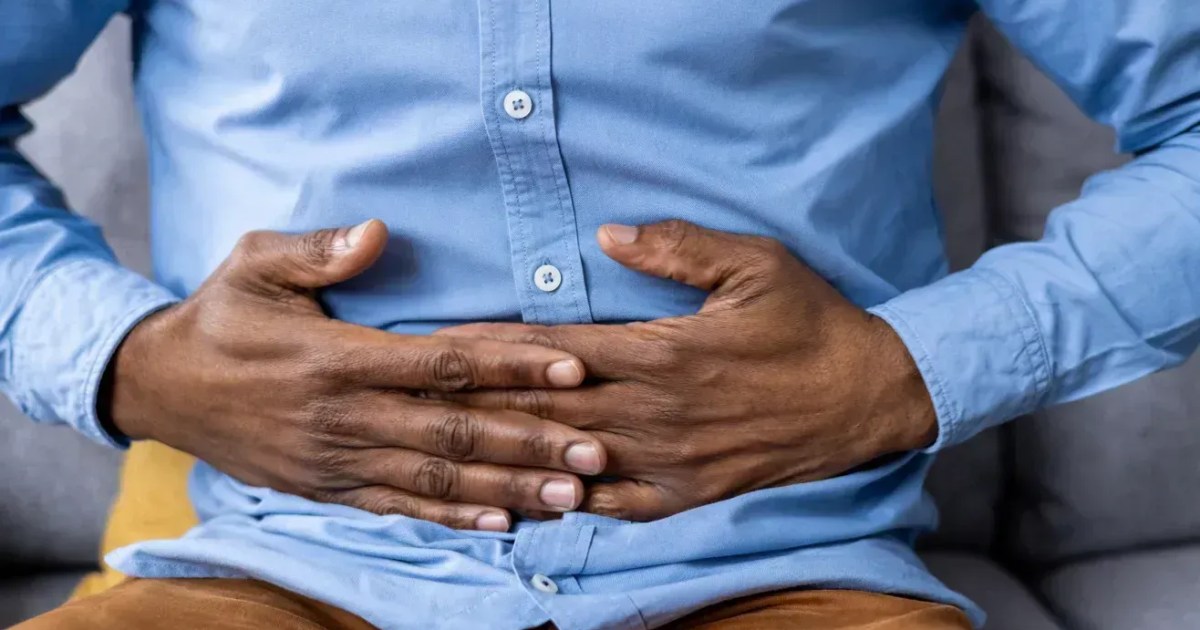
Irritable bowel syndrome can cause ongoing abdominal pain even when tests show no structural problem.
Doctors say repeated pain signals may make the pain feel as if it has a life of its own.
The condition can affect social life and may be linked to anxiety or depression.
Care can include medicine, psychological support, exercise, nutrition and better sleep.

A CNN Brasil report discusses how irritable bowel syndrome (IBS) can cause persistent abdominal pain even when medical tests show no structural changes.
Gastroenterologist Flavio Steinwurz and psychiatrist Arthur Danila discussed IBS and its links with mental health on the program CNN Sinais Vitais - Dr. Kalil Entrevista.
Doctors said IBS is diagnosed mainly by ruling out digestive and other organic conditions and considering when symptoms occur.
Symptoms often appear during the day and may stop during sleep, which the specialists linked to emotional stimuli.
Recommended care may include medication, psychological or psychiatric support, lifestyle changes, physical activity, nutrition and better sleep.
- Who
- Gastroenterologist Flavio Steinwurz and psychiatrist Arthur Danila, interviewed by Dr. Roberto Kalil
- What
- A discussion of irritable bowel syndrome, its symptoms, diagnosis and links with mental health
- When
- October 10, 2026
- Where
- CNN Brasil's CNN Sinais Vitais - Dr. Kalil Entrevista
- Why
- To explain how persistent symptoms and emotional factors relate to IBS and its diagnosis and treatment
This story does not have two clearly opposing sides.
À noite, a pessoa está descansando, dormindo, então o emocional está desligado e ninguém está se alimentando de madrugada. Então os indivíduos que têm intestino irritável não têm sintomas à noite
Ou seja, mesmo de noite, a pessoa pode ter a percepção, já como se tivesse vida própria, de dor
A gente vê quadros em que a pessoa vai a um casamento e leva a marmita porque não sabe o que vai ter
This story does not have a timeline yet.
- Report publication date
- October 10, 2026
- Gastroenterologist interviewed
- Flavio Steinwurz
- Psychiatrist interviewed
- Arthur Danila, of the Institute of Psychiatry of HCFMUSP
- Main diagnostic approach
- Rule out digestive and other organic conditions and consider when symptoms occur
- Possible accompanying care
- Psychological or psychiatric support, lifestyle changes, physical activity, nutrition and improved sleep
Sources
Related news

Pope Leo XIV to have lung nodule removed in surgery this week

Pope Leo to have surgery to remove an early-detected lung nodule

Pope Leo XIV to have surgery to remove early-stage lung nodule

Electroacupuncture reduced post-shingles pain in a clinical trial
AI model uses past mammograms to estimate breast cancer risk

ADHD and Later Cognitive Diagnoses: Why the Risk Estimate Needs Context

Higher Pre-Surgery A1c Linked to Macular Edema Risk After Cataract Surgery

PRIMA retinal implant showed control of geographic atrophy for up to 3 years

Blood proteins may provide clues to gut health in celiac disease

Presley Gerber died at 27 after years of public struggle with addiction

Pedro Bial says he has emphysema linked to past smoking
