

Politics · United States · 3 hrs ago
New USDA Rules Require Farm Energy Projects to Be Completed Before Funding
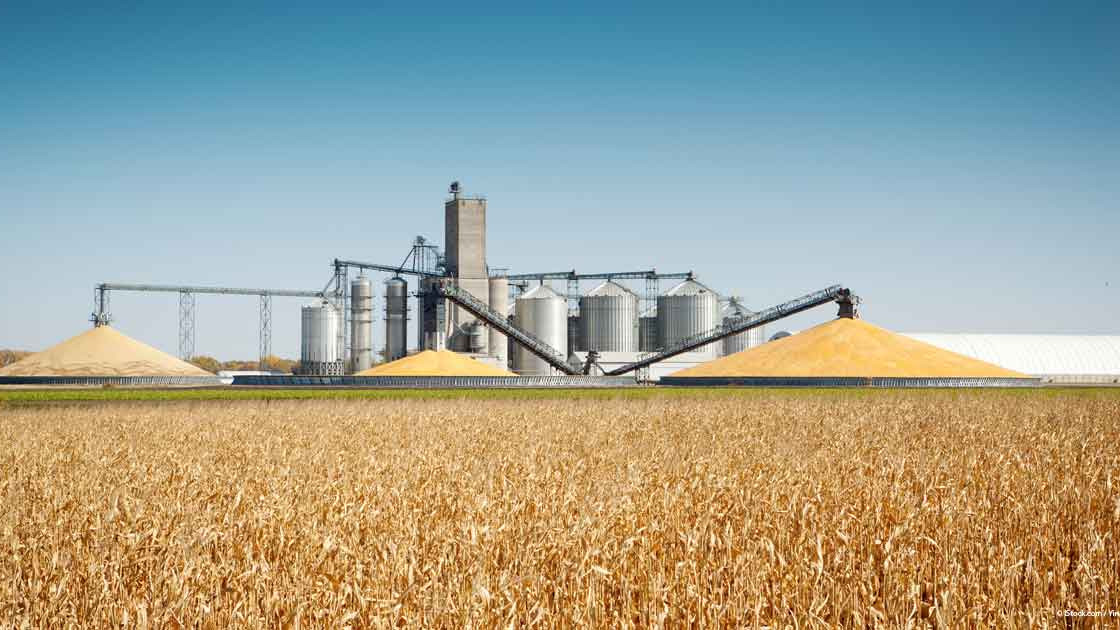
The US Department of Agriculture has changed the rules for its Rural Energy for America Program, which helps farmers fund energy projects.
Under the previous rules, farmers could apply before construction and receive grants covering up to half of project costs.
The new rules require a project to be built and operating, with documented energy savings and performance, before an application can be made.
The department says the changes aim to limit support for unreliable energy sources, protect farmland from oversized solar projects and reduce reliance on foreign components.
Analysts and farm advocates say the upfront costs could put energy-saving projects out of reach for many farmers.
Environmental groups and farmers, including the Iowa Farmers Union, have sued the department over the changes.
The rules take effect October 16, and the lawsuit challenges restrictions on solar funding.

The U.S. Department of Agriculture will require energy projects to be completed and operational before farmers can apply for funding through its Rural Energy for America Program.
The new rules take effect on October 16 and require applicants to document project output, energy savings, costs and performance.
Previously, farmers could apply before construction, and funding could cover up to 50% of project costs.
The USDA says the changes aim to curb support for unreliable energy sources, protect farmland and limit components from foreign adversaries.
Analysts and farm and environmental groups say the rules could put funding and energy savings out of reach for many farmers.
- Who
- The U.S. Department of Agriculture is changing the Rural Energy for America Program. Farmers seeking energy-project funding are affected.
- What
- Projects must be completed and operational, with documented performance, before applicants can seek funding.
- When
- The rules take effect October 16. They were unveiled at the end of September.
- Where
- The program supports rural energy projects across the United States.
- Why
- The USDA says it aims to curb taxpayer funding for unreliable energy sources, protect farmland and reduce imported components from adversaries. Critics say the requirements make funding inaccessible to many farmers.
U.S. Department of Agriculture
Critics, including farm and environmental groups
Funding requirements
U.S. Department of Agriculture
The USDA requires projects to be completed and operational before an application, with documented results.
Critics, including farm and environmental groups
Critics say farmers may be unable to afford installation without grant or loan support.
Program priorities
U.S. Department of Agriculture
The USDA says the changes will curb support for unreliable energy sources and protect farmland and supply chains.
Critics, including farm and environmental groups
Critics argue the rules restrict access to energy funding, including for solar projects, and could prevent farmers from reducing energy costs.
The USDA halted REAP applications pending a review of the rules, and the article says the program had provided no funding this year.
The USDA unveiled the new rules.
The new rules are scheduled to take effect.
- Program
- Rural Energy for America Program (REAP)
- Previous funding share
- Up to 50% of energy-project costs
- Past investment
- Almost $4.8 billion in projects from 2012 to 2025
- New application requirement
- Projects must be fully built and operational, with documented output, savings, costs and performance
- Effective date
- October 16
What people are saying
For too long many applicants have prioritized unreliable energy sources and have not fully delivered on their stated goals, as of today that ends
For a lot of farmers, that just simply won’t be possible, especially with these times already being so financially uncertain
REAP should work for rural America, not foreign supply chains or projects that take good farmland out of production.
As finances get tighter and margins thinner, we cannot pull the rug out from the people who grow our food
Sources
Related news

Elon Musk gives more than $276 million to Republican groups since July
Trump and Rubio weigh firing US ambassador to Greece amid misconduct allegations

Federal agents search Ilhan Omar’s home in criminal investigation

DOJ investigates five networks over White House TV pool boycott
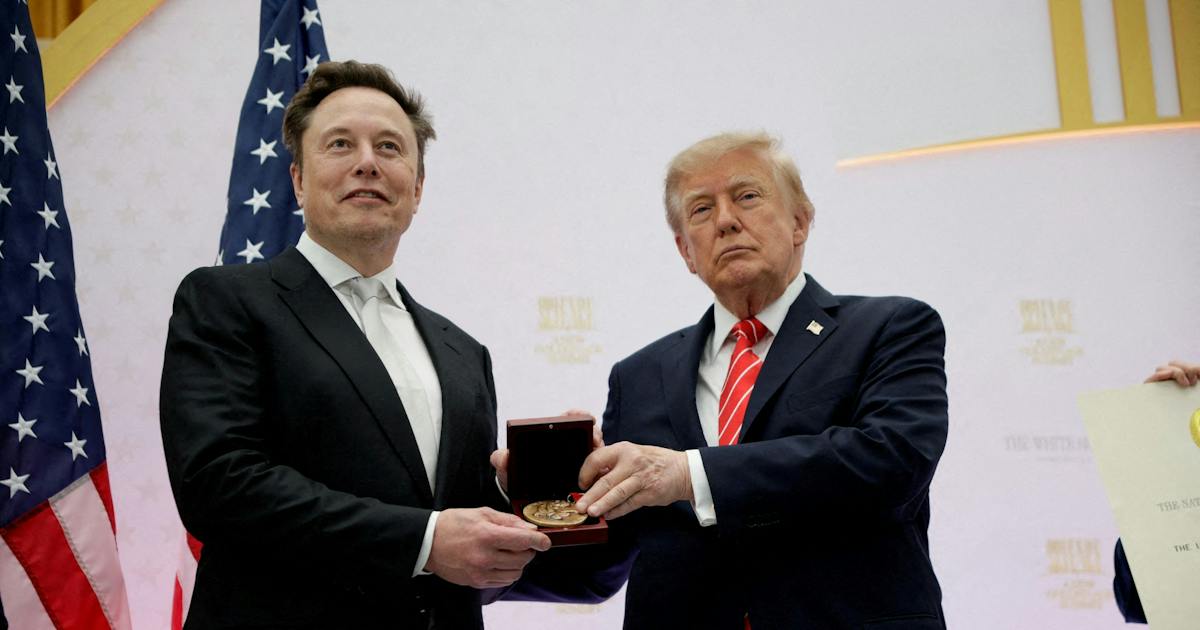
Musk gives $276 million to support Republicans in US midterms

Mamdani says Omar’s citizenship should not be weaponized after home search
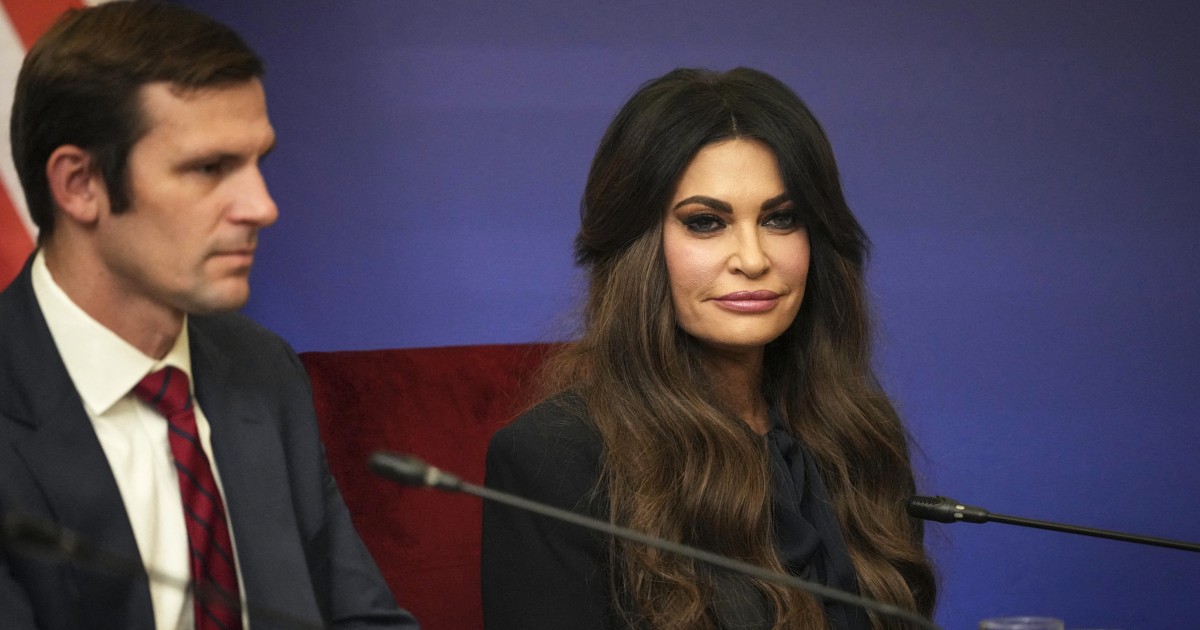
Trump says administration is considering firing ambassador Kimberly Guilfoyle

US archbishop urges Catholic soldiers to avoid planned Hasan execution

Jeff Flake criticizes allegations involving Kimberly Guilfoyle

ABC Says FCC Used Early License Reviews to Pressure Disney Over Its Speech
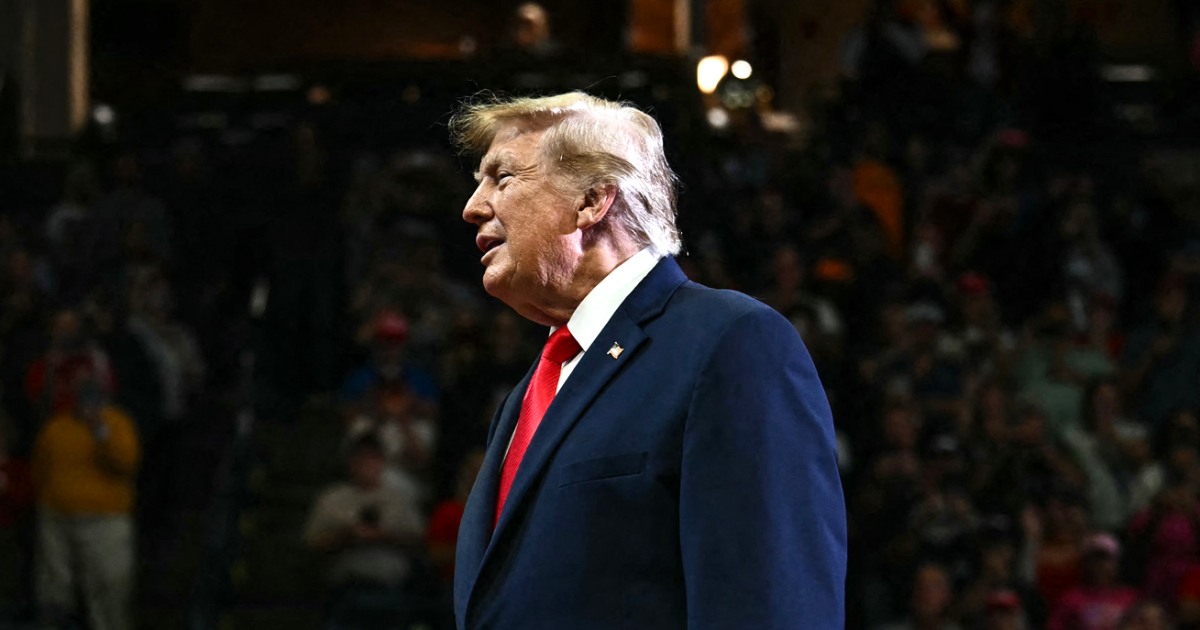
Trump attacks Ilhan Omar and Abdul El-Sayed at Ohio rally
