Health · Medical Research · 1 day ago
Comedian Renato Albani diagnosed with Bell’s palsy

Bell’s palsy affects the nerve that controls facial movements, usually on one side of the face.
Albani said he noticed numbness and was diagnosed after medical tests.
Doctors say the exact cause is not always known, though a viral infection is a leading possibility.
Sudden facial changes can also be a sign of a stroke, so other symptoms such as arm weakness or trouble speaking need urgent attention.

Brazilian comedian Renato Albani said on social media that he had been diagnosed with Bell’s palsy after waking with numbness on one side of his face.
Neurologist Frederico M. Haidar Jorge described Bell’s palsy as a disorder affecting the facial nerve, which controls the muscles used for facial expression.
The condition can cause weakness or paralysis on one side of the face and may develop over several hours, reaching its greatest intensity within 72 hours.
The cause is not always identified, but a leading hypothesis is that a viral infection triggers inflammation and swelling of the facial nerve.
The neurologist said Bell’s palsy can be confused with a stroke and listed symptoms such as arm or leg weakness, trouble speaking, and sudden vision changes as warning signs of other causes.
- Who
- Comedian Renato Albani; neurologist Frederico M. Haidar Jorge explained the condition.
- What
- Albani reported being diagnosed with Bell’s palsy after experiencing numbness on one side of his face.
- When
- In the days before the article was published on October 9, 2026.
- Where
- Not stated
- Why
- The exact cause is not always known; a leading hypothesis is inflammation of the facial nerve following a viral infection.
This story does not have two clearly opposing sides.
No direct quotes in the coverage so far.
This story does not have a timeline yet.
- Person diagnosed
- Renato Albani, a comedian
- Condition
- Bell’s palsy, affecting the facial nerve, the seventh cranial nerve
- Reported symptom
- Numbness on one side of the face
- Typical progression described
- Symptoms may reach maximum intensity within 72 hours
- Neurologist quoted
- Frederico M. Haidar Jorge, a doctor of the University of São Paulo medical school
- Article publication date
- October 9, 2026
Sources
Related news

Pope Leo to have surgery to remove an early-detected lung nodule
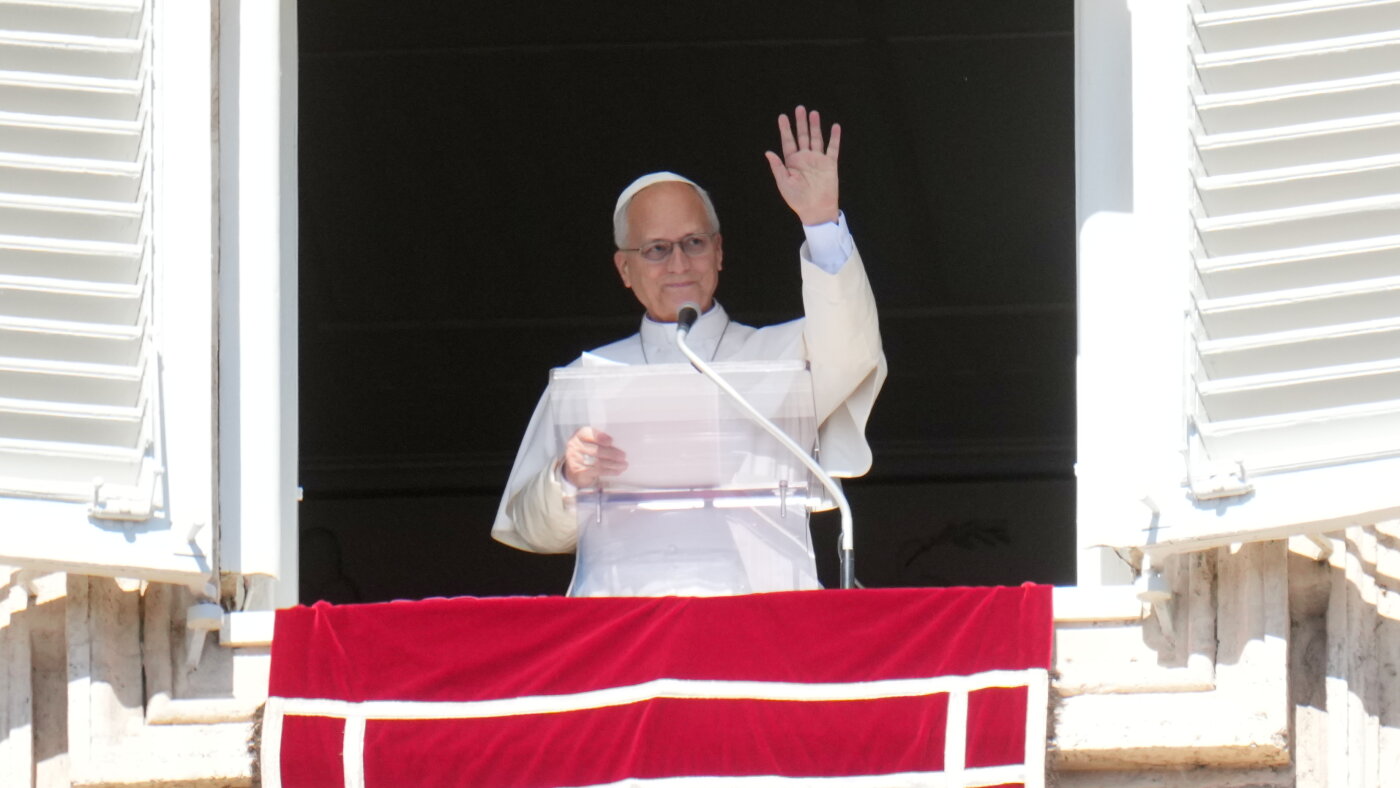
Pope Leo XIV to have surgery to remove early-stage lung nodule
ADHD and Later Cognitive Diagnoses: Why the Risk Estimate Needs Context

Higher Pre-Surgery A1c Linked to Macular Edema Risk After Cataract Surgery

Pope Leo XIV to have lung nodule removed in surgery this week

PRIMA retinal implant showed control of geographic atrophy for up to 3 years

Presley Gerber died at 27 after years of public struggle with addiction

Chewable gummy offers another oral-care option for people with dementia

Study asks how intense intercourse feels for each partner

Pope Leo XIV says he will have surgery to remove a lung lesion

Chiranjeevi urges people to seek early cancer screening