

Science & Tech · Science & Environment · 2 hrs ago
China’s First Five National Parks Report Wildlife and Ecosystem Gains

China established its first five national parks in 2021, covering a combined 230,000 square kilometres.
They protect varied landscapes, from river headwaters and forests to tropical rainforest, and bring together more than 120 existing protected areas.
Officials say ecosystems have improved, with stronger water retention and better links between habitats.
Wildlife numbers have also risen: the parks include 72 wild Siberian tigers and 115 Amur leopards, while Hainan gibbons have grown to 44 animals in seven groups.
Nearly 50,000 local residents have jobs as park rangers, and parks have also supported other nature-based work and tourism.
The parks matter both for protecting biodiversity and for supporting local communities while conservation rules are enforced.
China says it will continue developing the parks and plans to establish new ones in an orderly way during the 15th Five-Year Plan period.

China’s first five national parks have reported improvements in ecosystems and gains in flagship wildlife populations over five years.
Established in 2021, the parks cover 230,000 square kilometres and combine more than 120 protected areas.
The report says wild Amur tigers in the Northeast Tiger and Leopard National Park increased from 27 to 72, while Hainan gibbons grew to 44 across seven groups.
Nearly 50,000 local residents have been hired as park rangers, earning annual wages of 12,000 to 21,000 yuan per person.
China plans to continue building the parks and establish new ones in an orderly manner.
- Who
- China’s first five national parks and the wildlife and communities within them.
- What
- A report says the parks have improved ecosystem conditions and helped flagship species grow in number.
- When
- The parks were established in 2021; the report describes results over five years.
- Where
- Sanjiangyuan, Giant Panda, Northeast Tiger and Leopard, Hainan Tropical Rainforest, and Wuyi Mountain national parks in China.
- Why
- To protect ecosystems and wildlife while improving local livelihoods.
This story does not have two clearly opposing sides.
No direct quotes in the coverage so far.
China formally established the Sanjiangyuan, Giant Panda, Northeast Tiger and Leopard, Hainan Tropical Rainforest, and Wuyi Mountain national parks.
The report said the parks had recorded ecosystem and wildlife gains and outlined plans to continue their development.
- Number of parks
- 5
- Combined area
- 230,000 square kilometres
- Protected areas combined
- More than 120
- Wild Amur tigers
- Increased from 27 to 72
- Hainan gibbons
- 7 groups, 44 individuals
- Local park rangers
- Nearly 50,000 employed
Sources
Related news

Turkish students win record 78 medals at international science olympiads

Hurricane Simon and cold front to bring heavy rain across Mexico

CCCC design for deep-sea survey ship passes expert review
China’s first five national parks score highly on ecological benefits

September was the world’s second-warmest on record

Brisbane faces a chance of rain and thunderstorms after warmer weather

Indonesia tests mosque loudspeakers as earthquake warning alarms

Belo Monte faces debate over water flows as its license renewal approaches
Heavy rain advisory issued for mountainous area of Seogwipo

Rachel downgraded after flooding and damage in Southern California
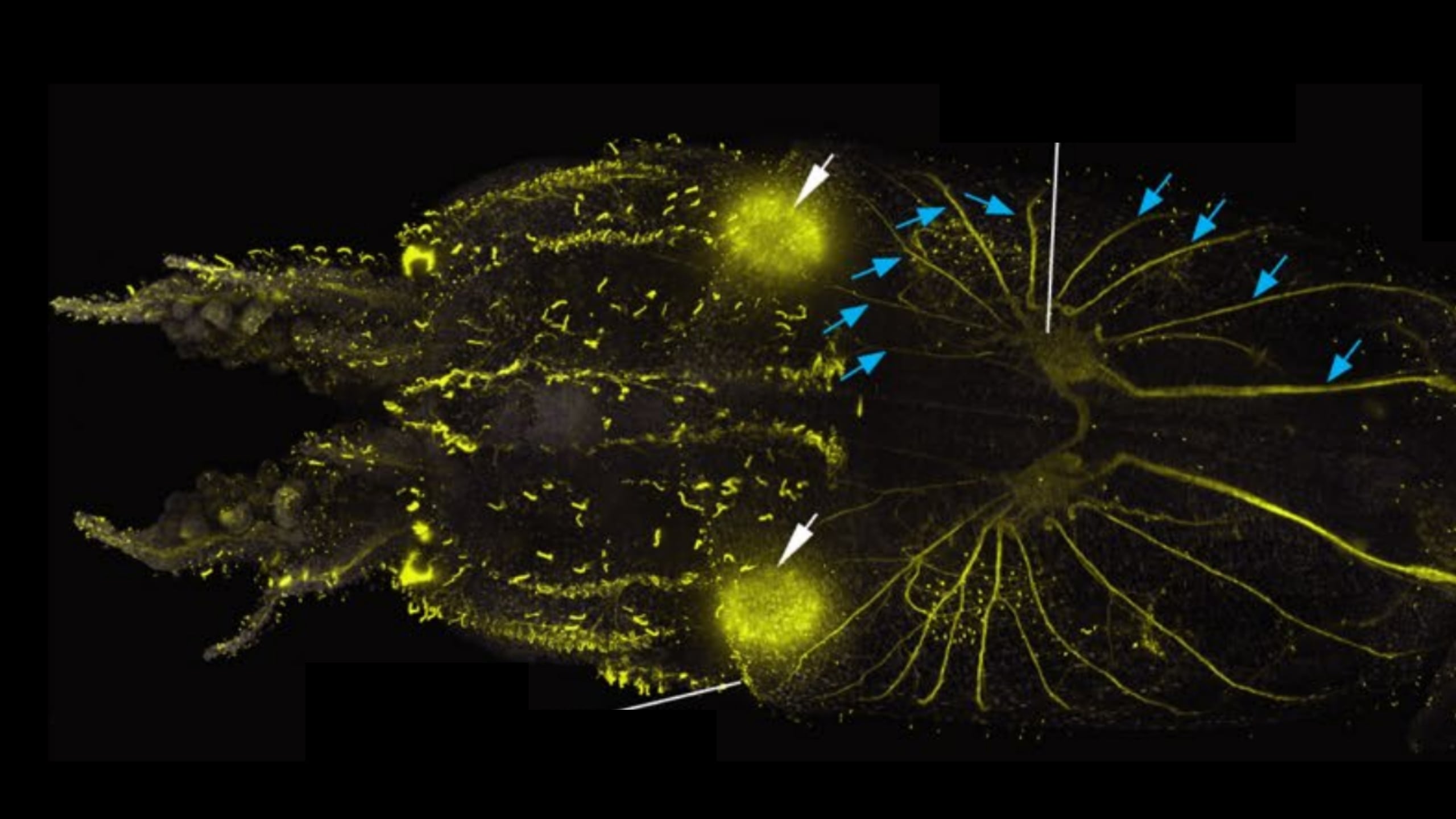
Researchers map hair-like sensory cells across squid bodies
