

Health · Public Health & Disease · 2 days ago
Untrained bystanders should start CPR without checking for a pulse first
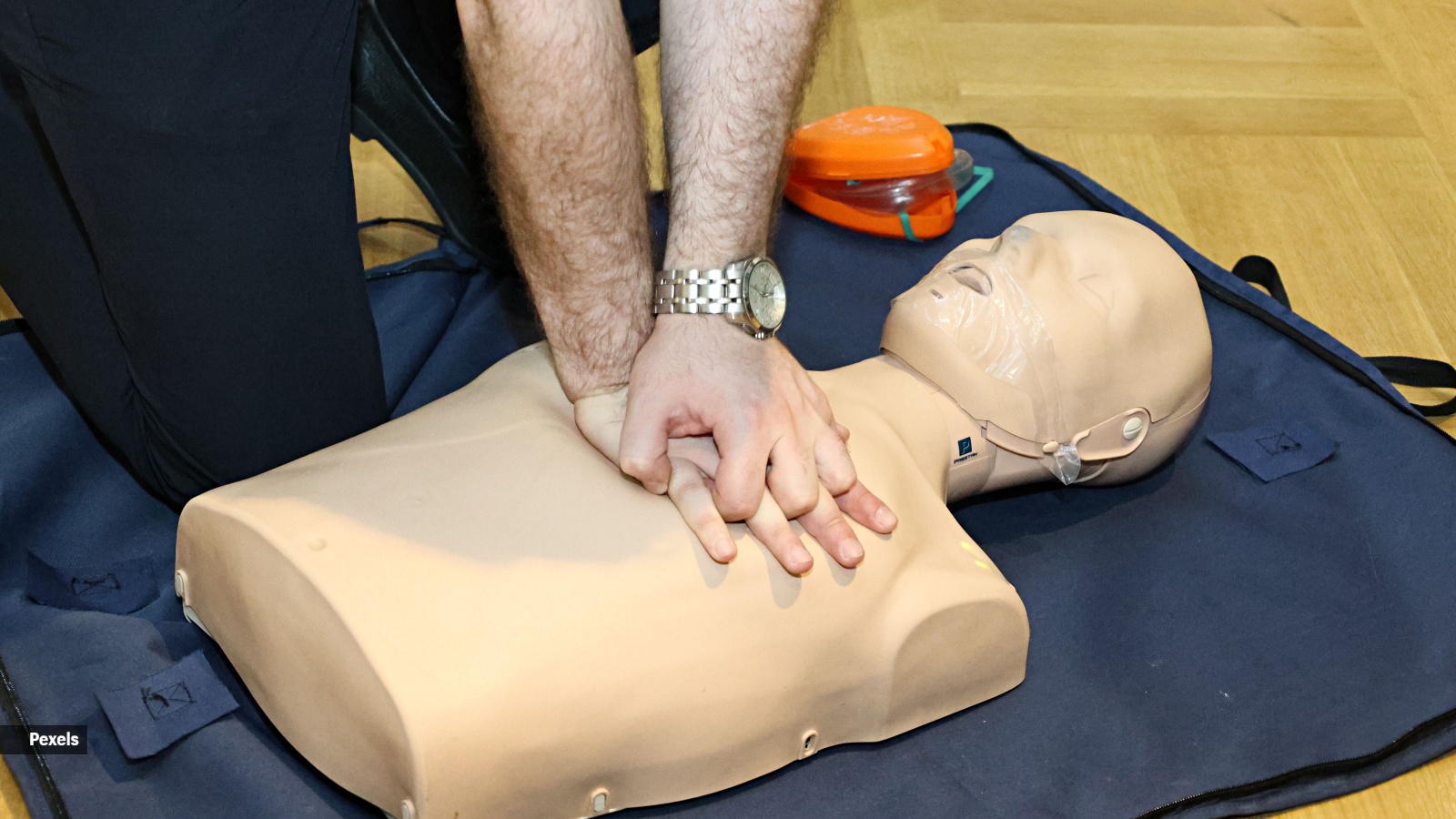
The guidance is for anyone who finds a person unconscious, including people without medical training.
First make sure the area is safe, then tap the person gently and speak loudly to check for a response.
If they do not respond, check whether they are breathing normally.
Gasping or irregular, noisy breaths should not be treated as normal breathing.
Call emergency medical services and start chest compressions rather than spending time trying to find a pulse.
Use an automated external defibrillator, or AED, if one is available, and follow its voice instructions.
The advice comes from a cardiovascular and thoracic surgeon at Gleneagles Hospitals Parel, who says delays matter because every minute counts in cardiac arrest.

Dr Swarup Swaraj Pal says an untrained bystander should check whether an unconscious person responds and is breathing normally, rather than spend time trying to find a pulse.
Gasping, occasional abnormal breaths, and noisy or irregular breathing should not be treated as normal breathing.
If the person is unresponsive and not breathing normally, call emergency medical help and start CPR with chest compressions.
Use an automated external defibrillator (AED) as soon as possible if one is available, following its voice instructions.
Dr Pal says prompt action matters because trying to confirm a pulse can delay CPR.
- Who
- Untrained bystanders who find someone unconscious
- What
- Guidance on assessing responsiveness and breathing, calling for help, starting CPR, and using an AED
- When
- When someone is unconscious and unresponsive
- Where
- Not stated
- Why
- To avoid delaying CPR while trying to find a pulse
This story does not have two clearly opposing sides.
For an untrained bystander, trying to find a pulse can be difficult and may waste valuable time,
Gasping, occasional abnormal breaths or noisy irregular breathing should not be considered normal breathing,
If an AED (automated external defibrillator) is available, use it as soon as possible and follow its voice instructions,
This story does not have a timeline yet.
- Expert
- Dr Swarup Swaraj Pal, Senior Consultant, Cardiovascular and Thoracic Surgeon at Gleneagles Hospitals Parel
- Initial assessment
- Check responsiveness and normal breathing; untrained bystanders are advised not to spend time checking for a pulse
- Emergency response
- Call for emergency medical help and start chest compressions if the person is unresponsive and not breathing normally
- AED
- Use an AED as soon as possible if one is available
Sources
Related news

Tokat suspends classes as thousands seek care for stomach symptoms

Joint flu and Covid-19 vaccination campaign starts on 13 October

Measles cases top 55,000 in the Americas as health agency urges vaccination

Study identifies five ways to reduce vaccine hesitancy

Singapore mosques to stay open for prayers as haze worsens

WHO says cause of Russian lab worker’s death remains unknown

Russia ends checks after Siberian lab worker’s death, but cause remains unknown

Survey finds rising heat-related risks for pregnant women and newborns
About 1,300 to 1,400 people seek care after illness in Tokat
Brazil approves first human tests of vaccine against a major malaria parasite

Drug-resistant Shigella is becoming more common in the U.S
