

World · East Asia & Pacific · 6 hrs ago
Editorial urges Seoul and Washington to resolve intelligence dispute

A Korean editorial says trust between South Korea and the United States is under strain.
The dispute centers on a March statement by South Korea’s unification minister identifying a uranium enrichment facility in North Korea.
He said the information was already public, but Washington apparently viewed the disclosure differently and later restricted Seoul’s access to some North Korea-related intelligence.
South Korea’s National Intelligence Service was also left out of a US-Japan-South Korea meeting on North Korean cyber threats in June.
The NIS says cooperation continues and has denied a report that sharing was limited to missile-related information, but the editorial says it is unclear what restrictions remain.
It also points to a delayed introductory meeting between the US ambassador and the unification minister, while a lawmaker’s visa application remains under review.
The editorial urges Seoul to ask Washington what safeguards it expects and urges Washington to explain its concerns through diplomatic channels.

A Korea Herald editorial urged Seoul and Washington to address an intelligence dispute before it damages trust in their alliance.
The dispute followed Unification Minister Chung Dong-young’s March disclosure that Kusong in North Korea had a uranium enrichment facility.
The editorial said Washington apparently responded by restricting Seoul’s access to some North Korea-related intelligence.
South Korea’s National Intelligence Service was excluded from a US-Japan working-group meeting on North Korean cyber threats in late June.
The editorial called for senior-level talks, clearer US explanations and a review of South Korea’s information-handling procedures.
- Who
- The South Korean and US governments.
- What
- A Korea Herald editorial urged them to resolve tensions over intelligence sharing and other alliance issues.
- When
- The editorial was published on Oct. 12; the intelligence dispute followed a disclosure in March.
- Where
- South Korea and the United States.
- Why
- Washington apparently had concerns after South Korea’s unification minister disclosed information about a North Korean uranium enrichment facility.
This story does not have two clearly opposing sides.
Sensitive material must be protected and handled according to agreed rules.
Washington, too, must explain its demands clearly if it expects Seoul to address them.
Unification Minister Chung Dong-young identified Kusong as the location of a uranium enrichment facility during a parliamentary session.
South Korea’s National Intelligence Service was excluded from a US-Japan working-group meeting on North Korean cyber threats.
US Ambassador Michelle Steel arrived in South Korea.
A senior US official said Washington expected Seoul to uphold long-standing alliance standards, particularly in intelligence and counterintelligence.
South Korea’s National Intelligence Service denied a local report that Washington had restricted intelligence sharing to missile-related information.
- Editorial publication
- Oct. 12
- North Korean site named
- Kusong
- Minister who disclosed the site
- Chung Dong-young
- Working-group topic
- North Korean cyber threats
- US ambassador
- Michelle Steel
Sources
Related news
13-year-old charged with murder after man stabbed in Sydney’s west
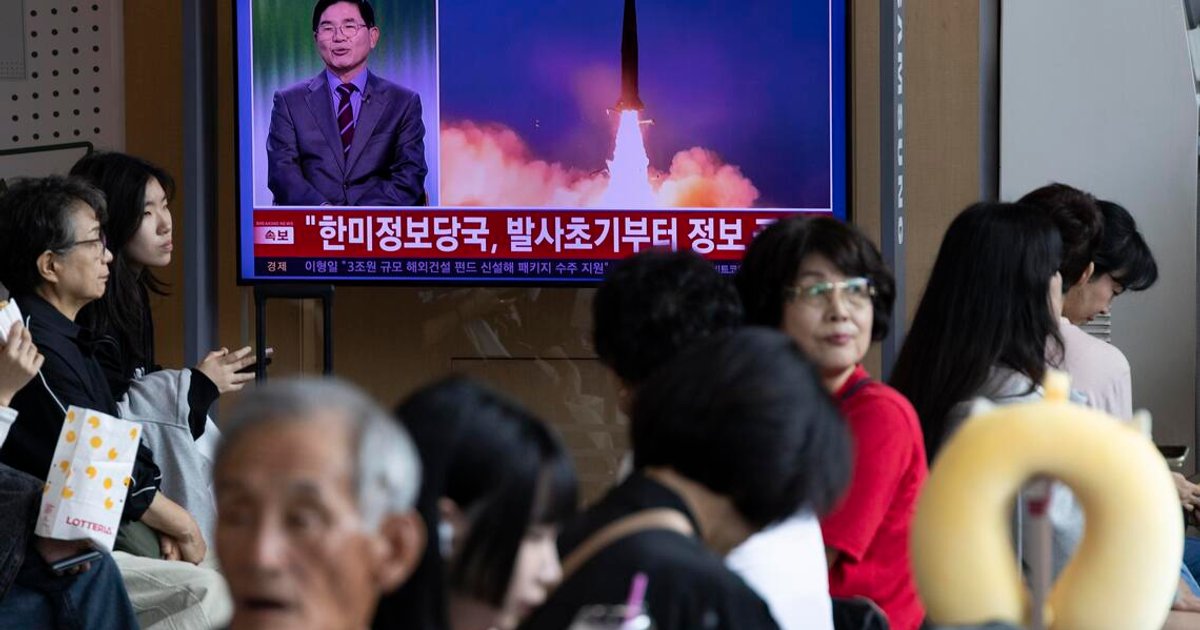
North Korea fires multiple ballistic missiles toward East Sea, South Korea says

North Korea fires multiple ballistic missiles toward eastern waters, Seoul says
China sanctions Paraguay and Belize ministers over Taiwan ties

Russian emergencies minister visits North Korea for disaster cooperation talks
UAE links Melbourne mosque to flydubai suspect; imam rejects “false allegations”
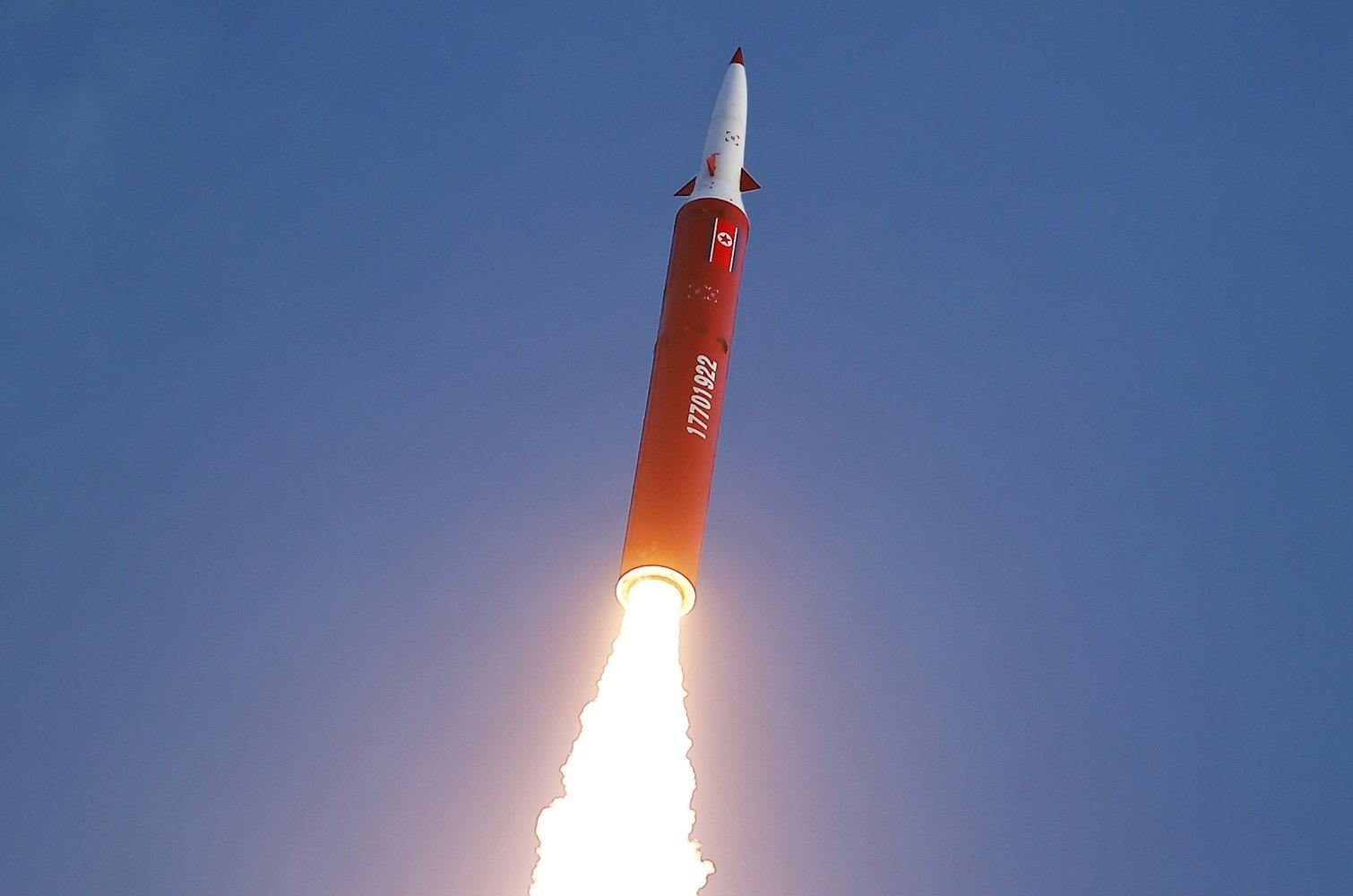
North Korea fires several ballistic missiles toward the East Sea
Indonesia moves eight endangered orangutans to safety after Borneo fires

Former students back ICC President Tomoko Akane after U.S. sanctions
Greens urge Australia to block planned US execution livestream

Indonesia Steps Up Firefighting as Haze Spreads to Malaysia and Singapore
