Politics · Canada · 5 hrs ago
Study finds wide differences in job licensing across Canadian provinces

A new index examined licensing rules for 158 job categories across Canada’s 10 provinces.
It found Alberta requires licences for 73 categories, more than any other province, while Prince Edward Island requires them for 41.
In Alberta, becoming a barber involves apprenticeship hours, classroom training, an exam and fees.
Barbers need licences in four provinces, while they can work without one in the other six.
The essay argues that licensing can make it harder for workers to enter a field and reduce competition, sometimes without improving the service people receive.
It cites research in which only four of 45 studies found licensing improved service quality, while 20 found it lowered quality.
The author says provincial governments should remove licensing rules that are not necessary, but the essay does not describe any specific plans or next steps.

A Fraser Institute index found wide differences in how many job categories require licences across Canada’s provinces.
Alberta required licences for 73 of the 158 job categories studied, more than any other province.
Prince Edward Island required licences for 41 categories, the fewest among the provinces.
Economist Matthew D. Mitchell argues that unnecessary licensing can restrict competition and create costs for workers and consumers.
The article says the index’s findings challenge the claim that licensing consistently improves service quality.
- Who
- Researchers at the Fraser Institute examined licensing rules. Economist Matthew D. Mitchell discussed the findings.
- What
- An index compared licensing requirements for 158 job categories across Canada’s 10 provinces.
- When
- The article was published on October 12, 2026. The index’s publication date is not stated.
- Where
- The study covered all 10 Canadian provinces.
- Why
- The index examined differences in occupational licensing. Mitchell argues that unnecessary requirements can limit competition and opportunities for workers.
Licensing proponents
Matthew D. Mitchell
Public protection
Licensing proponents
Licensing is intended to protect the public from incompetent or bad providers.
Matthew D. Mitchell
Mitchell says evidence does not support licensing as a reliable way to protect consumers.
Effects on service quality
Licensing proponents
Licensing is intended to protect the public from incompetent or bad providers.
Matthew D. Mitchell
Mitchell says most of the 45 studies he analyzed found no clear improvement or found lower quality.
But the case for occupational licensing is weak.
In reality, rather than protect consumers, licensure requirements protect incumbent businesses from competition.
This story does not have a timeline yet.
- Job categories studied
- 158
- Provinces studied
- 10
- Alberta
- 73 categories require licences
- Quebec
- 67 categories require licences
- Ontario
- 62 categories require licences
- Prince Edward Island
- 41 categories require licences
Sources
Related news
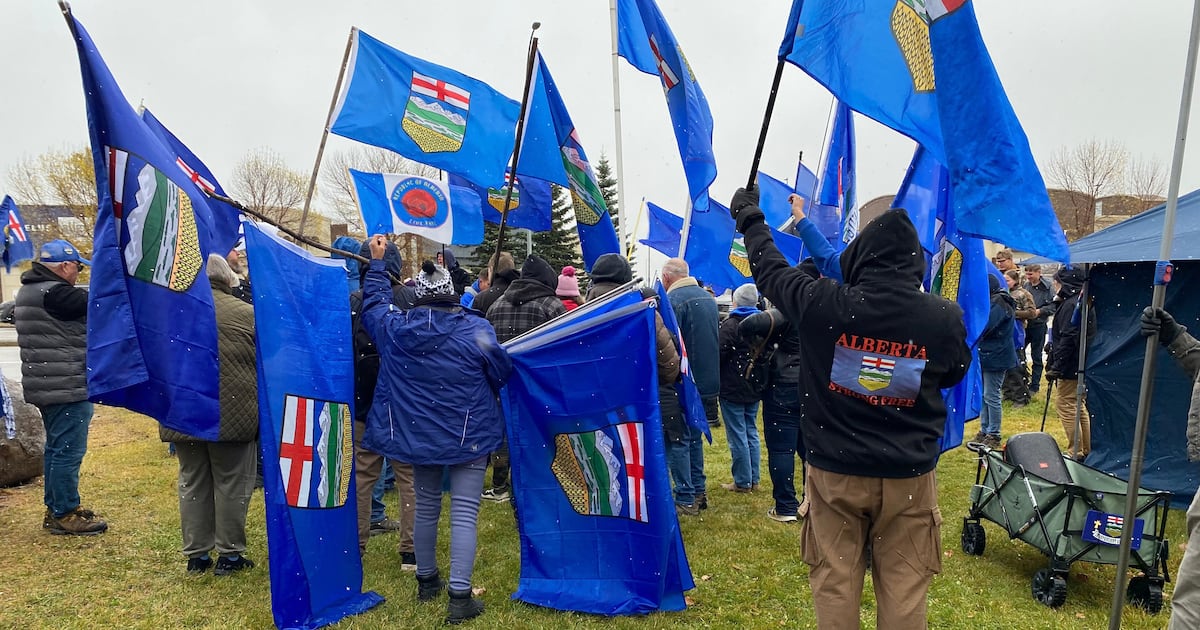
Spruce Grove sees final push for Alberta separation before referendum

Alberta referendum campaigns step up efforts before Oct. 19 vote

New airport facility aims to speed vital deliveries to northern Canada

Children need nearby green space, not necessarily a detached home
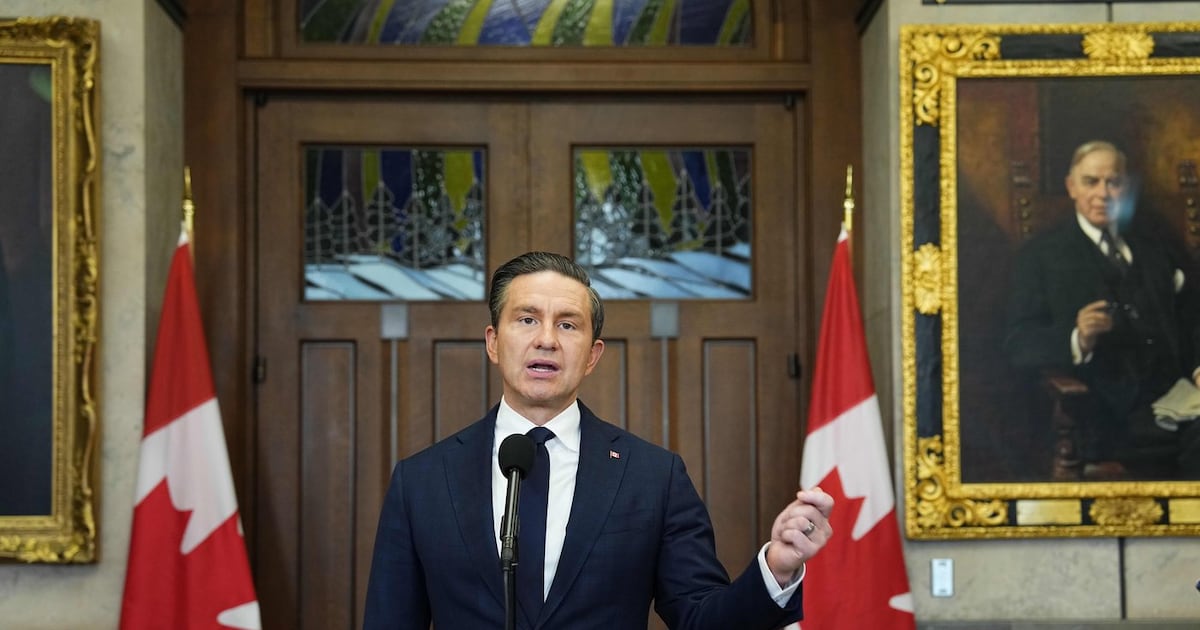
Poilievre to promote Canadian unity in Alberta ahead of Oct. 19 vote

Alberta appeal court rules federal project review law still unconstitutional

Supreme Court sets sentencing framework for Indigenous intimate partner violence cases
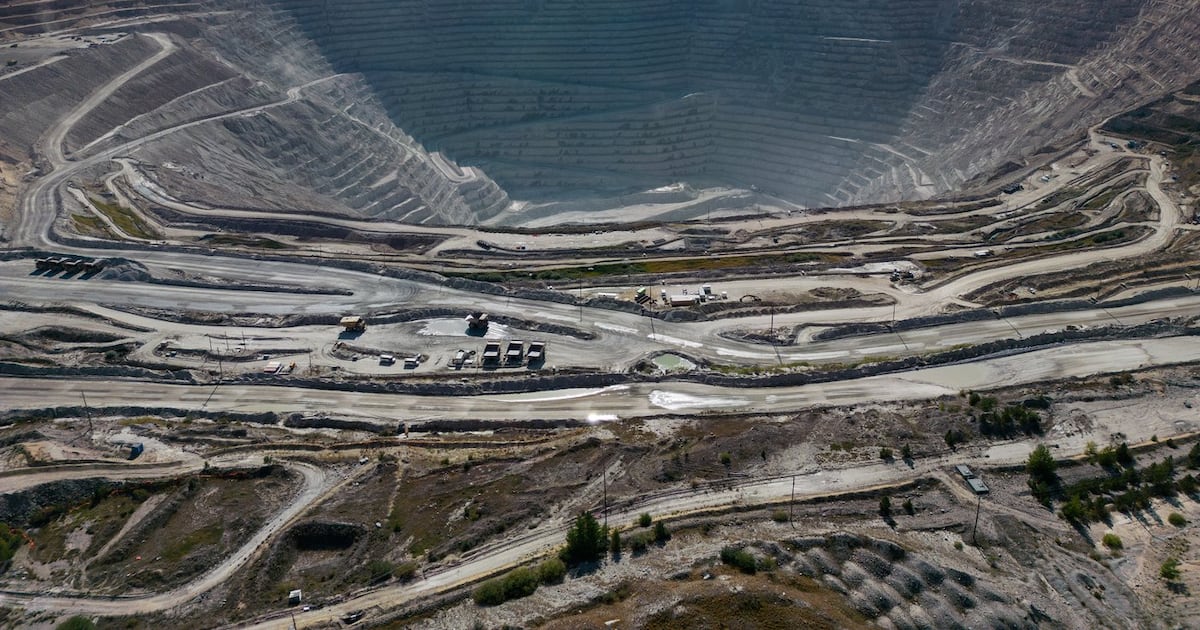
Six provinces and Yukon urge Ottawa to expand mining tax credit

Economic frustration is adding momentum to Alberta's separation movement

More than half of assessed at-risk species await federal decisions in Canada

Environmental voters in B.C. NDP strongholds consider switching to Green Party