Politics · Canada · 6 hrs ago
Economic frustration is adding momentum to Alberta's separation movement

Alberta is a wealthy Canadian province, with major oil and gas resources and no provincial sales tax.
But many residents say they have not felt that prosperity in their own lives.
After oil prices fell in 2014, Alberta went into recession in 2015 and 2016, and purchasing power has since remained below its 2014 level.
Unemployment has been above the national average since 2016, while average weekly earnings have struggled to keep up with inflation.
These pressures have helped give momentum to the movement for Alberta to leave Canada.
On Oct.
19, voters will decide whether to direct the province to begin the process for a binding referendum on separation, not whether to separate immediately.
Some supporters want the vote to push Ottawa to address concerns including equalization, political representation and access to markets.
The story also notes that independence could bring financial risks, but does not detail what they are.

Economic frustration is adding momentum to Alberta’s separation movement, as some residents say the province has underperformed despite its wealth and natural resources.
Albertans point to a decade of unstable oil prices, cancelled pipeline projects and unemployment.
Alberta’s purchasing power is about 10 per cent lower than in 2014, according to Servus Credit Union chief economist Charles St-Arnaud.
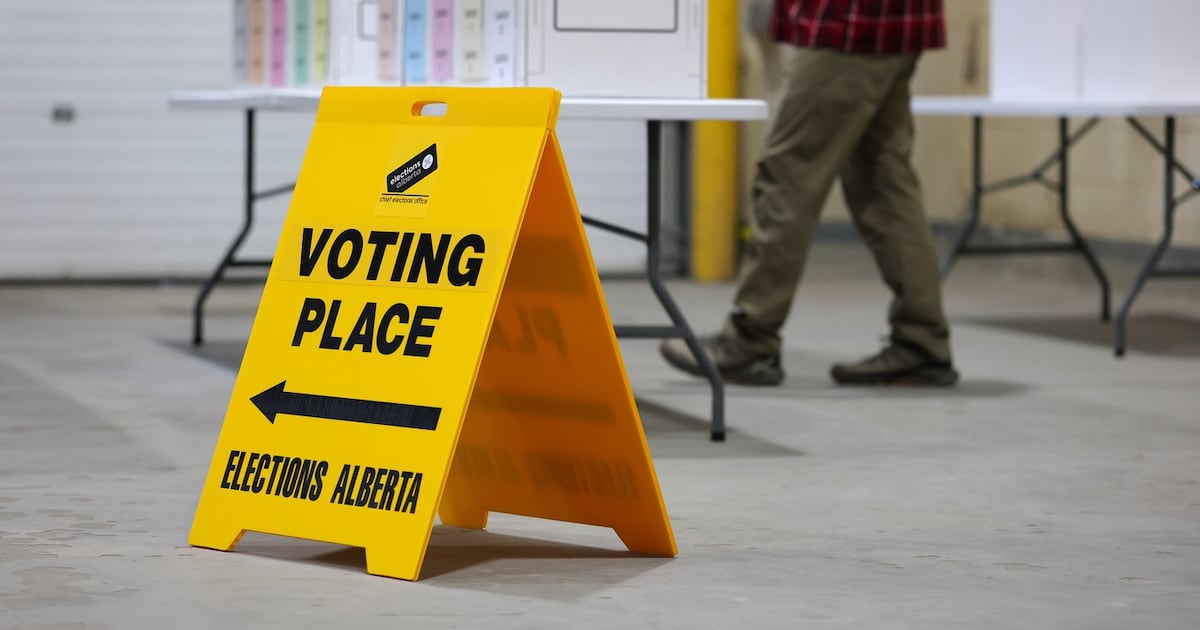
A vote on Oct. 19 will ask whether Alberta should begin the process toward a binding referendum on separation.
Retired petroleum engineer Morad Rizkalla says he plans to vote in favour to press Ottawa on economic and political grievances.
- Who
- Alberta residents, including retired petroleum engineer Morad Rizkalla, are backing a separation vote.
- What
- Economic frustration is helping build support for Alberta separation. A vote will decide whether the province should begin the process toward a binding referendum.
- When
- The vote is scheduled for Oct. 19, 2026.
- Where
- Alberta, Canada.
- Why
- Supporters cite economic underperformance, cancelled pipeline projects and grievances with Ottawa.
This story does not have two clearly opposing sides.
Over the past 10 years, the fact that Alberta has underperformed economically has probably given a bit more momentum ... to the movement and a bit more new support
We've seen the purchasing power of Albertans being lower. So it's 10 per cent lower now than it was in 2014
We're like 20 years behind here
If something like the Northern Gateway and Energy East were built, they would have been just coming on now.
Oil prices crashed and investment in oil and natural gas projects plunged.
Alberta fell into a recession.
Alberta’s unemployment rate has tracked above the national average, according to Statistics Canada.
A vote is scheduled on whether Alberta should pursue the process toward a binding separation referendum.
- Purchasing power
- About 10 per cent lower than in 2014, according to Charles St-Arnaud
- Recession
- Alberta entered recession in 2015 and 2016
- Unemployment
- Alberta’s rate has tracked above the national average since 2016
- Vote date
- Oct. 19, 2026
- Voter
- Morad Rizkalla, a retired petroleum engineer, plans to support starting the process toward a binding referendum
Sources
Related news

Children need nearby green space, not necessarily a detached home

Study finds wide differences in job licensing across Canadian provinces

More than half of assessed at-risk species await federal decisions in Canada
Six provinces and Yukon urge Ottawa to expand mining tax credit

Poilievre to promote Canadian unity in Alberta ahead of Oct. 19 vote

Alberta appeal court rules federal project review law still unconstitutional

Supreme Court sets sentencing framework for Indigenous intimate partner violence cases

Environmental voters in B.C. NDP strongholds consider switching to Green Party

Spruce Grove sees final push for Alberta separation before referendum

Book on Danielle Smith’s rise to premier released ahead of referendum

Opinion warns Canada’s tower-focused housing policy risks less livable communities