Business · Energy & Commodities · 22 hrs ago
Oil tanker costs hit records as Iran war strains global shipping
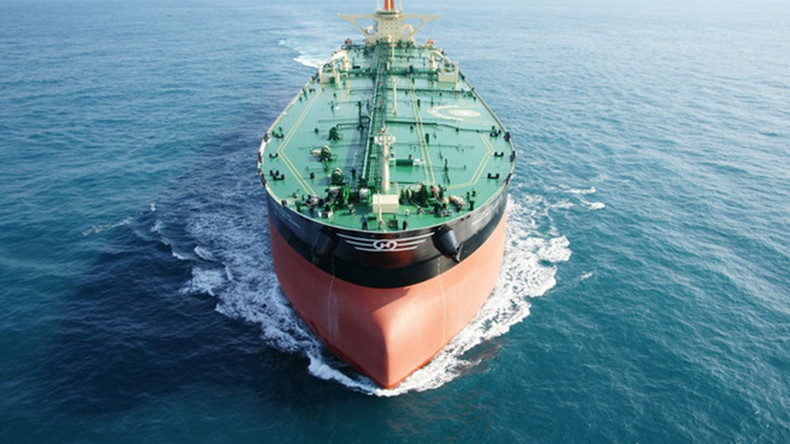
The Iran war has disrupted oil trade routes and sent the cost of shipping crude oil to record levels.
In September, supertanker rates for carrying oil from the Persian Gulf to China passed $1 million a day, then rose further in early October.
Many tankers are tied up for weeks in ship-to-ship transfers in the Gulf of Oman, where oil is moved between vessels outside the Strait of Hormuz.
That leaves fewer large tankers for other routes, including journeys from the US Gulf Coast to Asia.
Oil buyers are turning to smaller tankers, pushing up their rates too.
One reported US Gulf Coast to China charter cost $76 million, compared with $7 million to $10 million before the war.
Higher shipping costs add to the cost of crude cargoes and can put further pressure on oil and fuel prices.

Oil tanker shipping costs have reached record highs as the Iran war disrupts trade routes and ties up vessels on longer voyages.
Supertanker rates on the Persian Gulf-to-China route rose above $1 million per day in September.
Rates on the Gulf-to-East Asia route then climbed above $1.4 million per day in the first week of October.
Ship-to-ship transfers outside the Strait of Hormuz are keeping tankers waiting for weeks and reducing vessel availability elsewhere.
The higher costs are adding millions of dollars to the price of a crude oil cargo and putting pressure on oil and fuel prices.
- Who
- Oil tanker operators, oil producers and buyers are affected. Vitol chief executive Russell Hardy and shipbroker Fearnleys commented on the market.
- What
- Tanker rates have reached record levels as the Iran war disrupts oil shipping and reduces vessel availability.
- When
- Rates rose in September and climbed further in the first week of October. The article was published on October 10, 2026.
- Where
- The Persian Gulf, Gulf of Oman and Strait of Hormuz, as well as routes to China and other parts of East Asia.
- Why
- The war has reshuffled trade routes and increased ship-to-ship transfers outside the Strait of Hormuz, tying up tankers on lengthy voyages.
This story does not have two clearly opposing sides.
There is really not quite enough shipping to go around.
We started this conflict with a crude crisis. Then it turned into a product crisis. Now we have more crude oil coming out of the Middle East, but it is turning into a shipping crisis.
Oil supply continues to increase, and shipping data shows regional crude exports from the Middle East actually exceeded pre-war levels on several days in late September.
Supertanker rates on the Persian Gulf-to-China route rose above $1 million per day.
Freight rates rose another 40% to more than $1.4 million per day on the Gulf-to-East Asia route.
Rates on the Gulf-to-East Asia route were reported above $1.4 million per day.
- Persian Gulf-to-China rate
- Above $1 million per day in September
- Gulf-to-East Asia rate
- More than $1.4 million per day in the first week of October
- Rate increase
- 40% in the first week of October
- U.S. Gulf Coast-to-China tanker fee
- $76 million, reportedly chartered by Trafigura
- Pre-war U.S. Gulf Coast-to-China fee
- $7 million to $10 million
Sources
Related news

Bond Selloff Could Reduce Need for Central Bank Rate Hikes

VW chief urges France and Germany to work together on China car competition
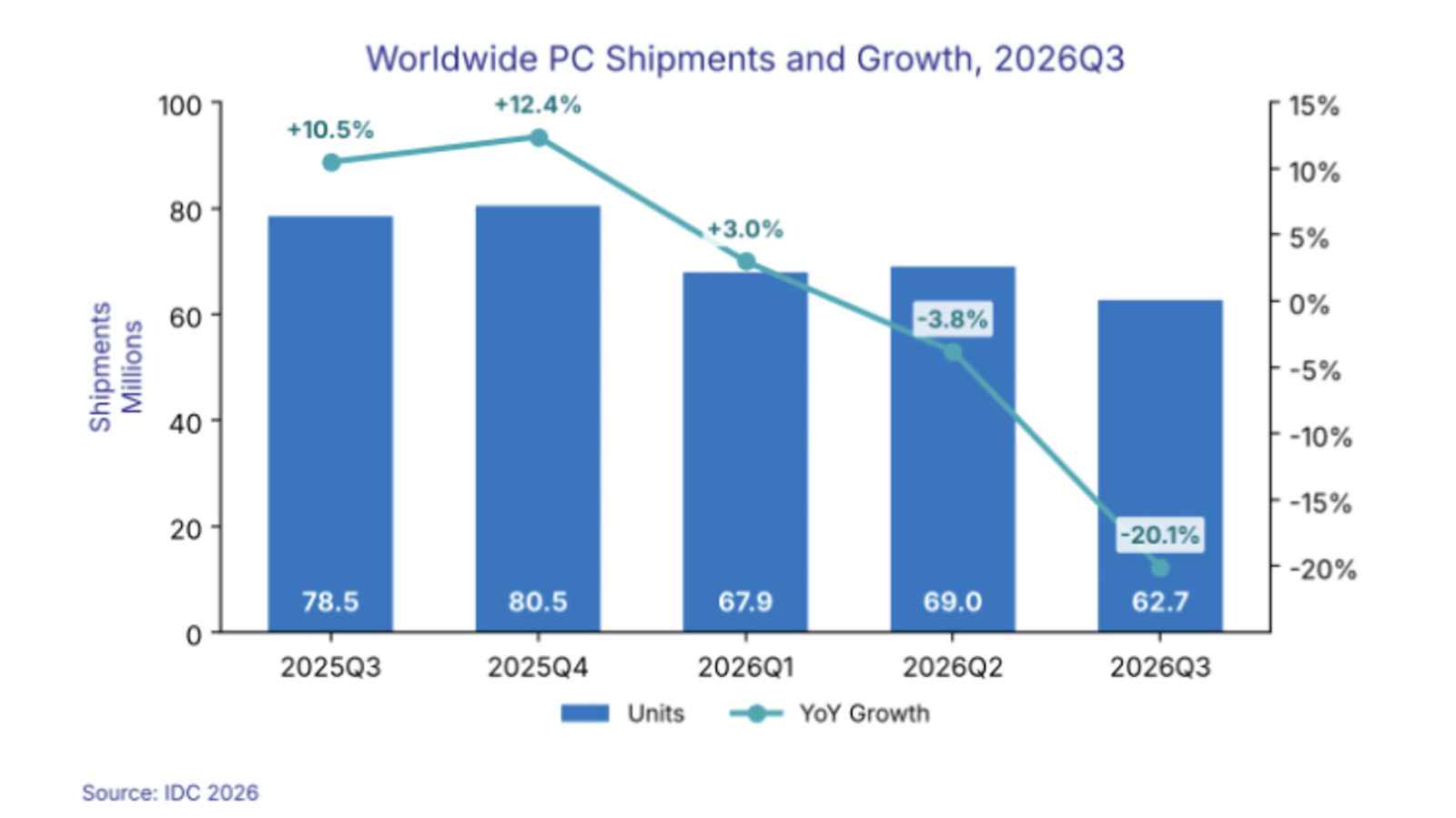
Global PC shipments fell 20% in the third quarter of 2026

IMF and World Bank to warn central bankers of gathering storm

IEA urges members to consider releasing more diesel from strategic reserves

Stellantis plans affordable small EVs to revive its European business
Globalization Expands Despite a Decade of Political Pushback

Volkswagen chief backs EU plan to support European industry

Tesla renames its European driver-assistance system after regulator criticism

SoftBank seeks up to $100 billion from Gulf investors for AI