Politics · Spain · 11 hrs ago
Spanish Supreme Court judge dissents over vote suspension for new citizens
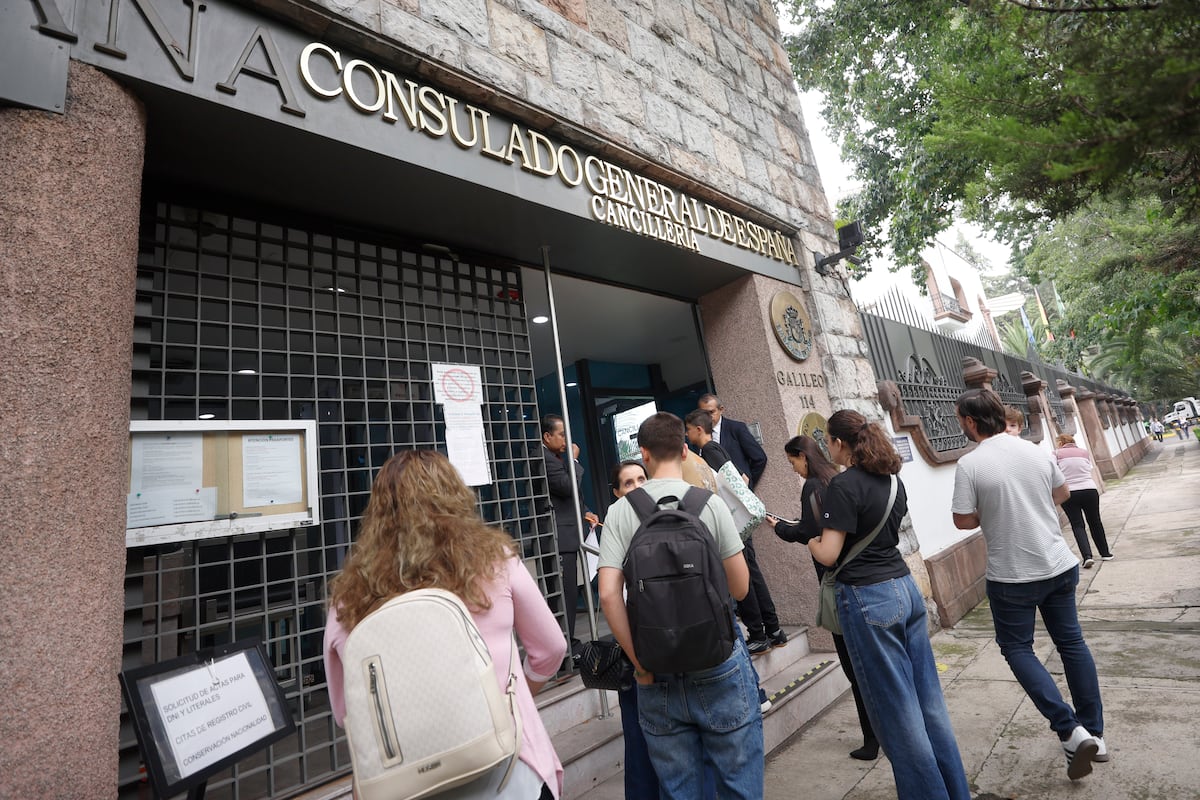
Spain’s Supreme Court has kept in place a suspension that prevents some people who gained citizenship under the Democratic Memory Law from voting in the November 29 general election.
The law provides a route to Spanish citizenship for children and grandchildren of people who went into exile.
Judge Alicia Millán disagreed with the court majority and said the election date changed the situation.
She argued that barring people whose legal status remains valid could cause irreversible harm to their right to vote.
The majority said protecting the accuracy of the electoral register outweighed individual interests in this case.
The register for the election closed on August 1, 2026, and the government told the court that 163,020 people were affected.
The court had planned to decide the underlying legal dispute before the election, but the supplied account does not say when it will now issue a final ruling.

Supreme Court judge Alicia Millán dissented from a ruling that kept in place the suspension of voting rights for some newly naturalized Spanish citizens.
She argued that the November 29 general election made the potential loss of their right to vote irreversible.
Millán said the court should have accepted the State Attorney’s request to let the affected voters participate.
The court majority said the interest in keeping the electoral register accurate outweighed individual claims to vote.
The court put the number of affected people at 163,020, based on the register closed on August 1, 2026.
- Who
- Supreme Court judge Alicia Millán dissented; the dispute concerns children and grandchildren of exiles who obtained Spanish nationality under the Democratic Memory Law.
- What
- Millán opposed keeping the suspension of their right to vote in the general election.
- When
- The election is scheduled for November 29, 2026. The article was published on October 12, 2026.
- Where
- Spain.
- Why
- Millán said the election’s early announcement made the potential loss of voting rights irreversible. The majority said protecting the accuracy of the electoral register should take priority.
Alicia Millán
Supreme Court majority
Effect of the election date
Alicia Millán
The election made the potential loss of the affected citizens’ voting rights irreversible, so their participation should be protected.
Supreme Court majority
The suspension should remain in place while the legal dispute is unresolved.
Priority
Alicia Millán
The effective exercise of voting rights should prevail for people whose legal status remains in force.
Supreme Court majority
Preventing people who may lack voting rights from participating and preserving the accuracy of the electoral register should prevail.
The Supreme Court adopted the provisional measure suspending the affected citizens’ voting rights.
The general election was called for November 29, changing the circumstances considered in the court’s earlier decision.
El País reported that Millán had dissented from the Supreme Court’s decision to maintain the suspension.
- Dissenting judge
- Alicia Millán
- Election date
- November 29, 2026
- Affected voters
- 163,020
- Electoral register cutoff
- August 1, 2026
- Law cited
- Democratic Memory Law
What people are saying
The November 29 election introduced a new and decisive element
The preservation of the effective exercise of the fundamental right to political participation should prevail over maintaining a provisional measure based on a legal dispute still awaiting final resolution
The right to vote is not an absolute right
The interest in preserving the accuracy and absence of irregularities in the electoral register must prevail over the individual interest of the citizen
Sources
Related news

Spanish left-wing coalition proposes Ada Colau as candidate for prime minister

Spanish royal family leads 12 October parade in Madrid

Poll projects Vox gains, nearly matching PSOE in Andalusia and leading PP in Catalonia

Spain seeks a strong industrial role in new European space group

Spain awards Thales a three-year contract for secure military messaging

Mertxe Aizpurua will not run again for EH Bildu in November election

PSOE and PP trade insults in Spain’s online election campaign

PNV leadership tensions rise over Vizcaya candidate choice

Young Spaniards say government measures have not eased key problems

ERC-Podemos alliance reflects Junqueras’s strategy, not a Rufián victory

Gabriel Rufián to lead ERC list for Spain’s November general election