Business · Energy & Commodities · 1 day ago
Tanker crews offered large bonuses to cross the Strait of Hormuz
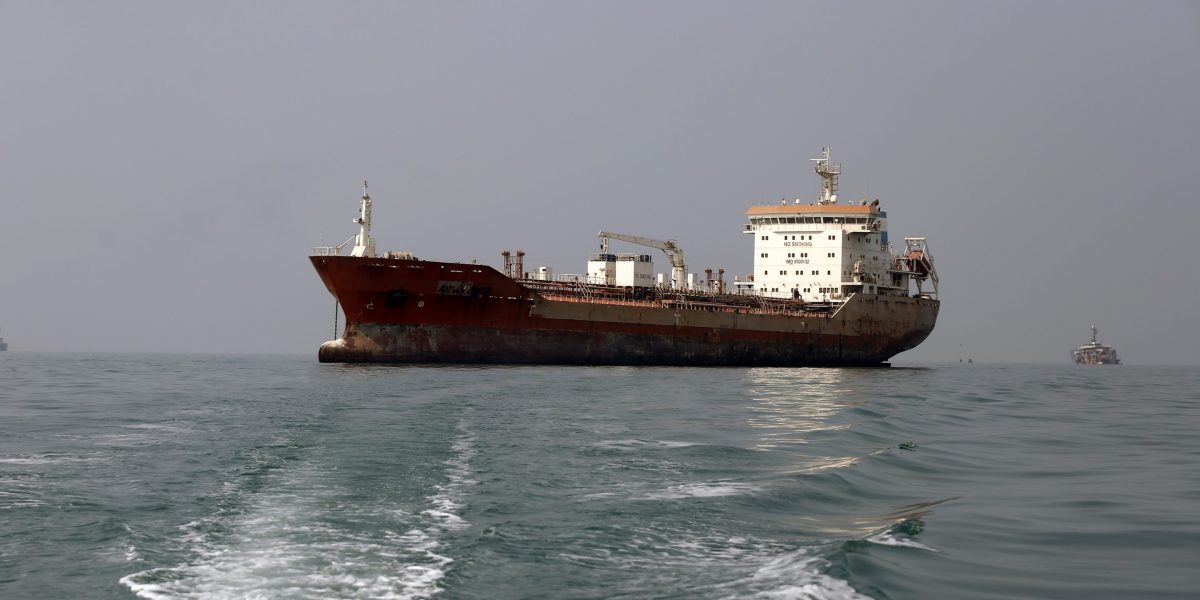
Ship captains and sailors are being offered much higher pay to take tankers through the Strait of Hormuz in the Persian Gulf.
Iran has stepped up attacks on ships, while the United States is also blocking some Iranian shipments through the waterway.
The strait is a key route for global oil and gas, and Gulf producers need ships to carry their exports to market.
Captains can earn up to $100,000 a month, with extra bonuses for each crossing, while other crew members may receive several times their usual pay.
The offers are meant to persuade crews to take the risk, but maritime unions warn that some workers may have little choice.
The International Maritime Organization says at least 24 seafarers have been killed since the war began; accounts differ on the number of ships hit or incidents recorded.
Traffic remains below normal levels, and ship operators continue to face attacks and restrictions as they try to move cargo through the region.

Tanker captains are being offered up to $100,000 a month to cross the Strait of Hormuz, with additional danger-pay bonuses reported for individual trips.
The payments are intended to persuade crews to keep working amid attacks and blockades affecting the vital shipping route.
Industry sources cited by Fortune said captains can also receive a $50,000 bonus for each trip.
ABC Australia reported that some seafarers have been offered double or triple their pay, while unions warn that workers may be pressured to stay aboard.
The International Maritime Organization says at least 24 seafarers have been killed since the war began.
- Who
- Tanker captains and other seafarers working in the Persian Gulf.
- What
- They are being offered large pay increases and danger bonuses to transit the Strait of Hormuz.
- When
- The reports were published on October 10, 2026; the war began at the end of February.
- Where
- The Strait of Hormuz and nearby waters, including the southern Red Sea and Gulf of Oman.
- Why
- Gulf oil producers and shipping companies want crews to keep moving oil through the route despite the risk of attacks.
Shipping companies and shipowners
Seafarer unions
Pay and transit
Shipping companies and shipowners
Companies are offering large wage increases and bonuses to persuade crews to make the dangerous transit.
Seafarer unions
Unions warn that seafarers may be exploited or have little choice but to remain aboard.
Risk and choice
Shipping companies and shipowners
The high payments are being used to keep vessels and crews operating.
Seafarer unions
Union representatives say the work could cost seafarers their lives.
Right now [the captains] are getting paid crazy
They are offering [seafarers] double, sometimes even five times the wages they will get during the transit of Hormuz
almost being viewed as mercenaries
I think the issue is less [to do with] insurance and more availability of crews that are willing to make that hazardous transit because of a significant amount of attacks
The war began, and Iran placed an effective chokehold on the Strait of Hormuz.
Washington and Tehran signed a memorandum of understanding that aimed to end the war.
Indian marine engineer Harshal Singh described the pay offered to captains in the strait.
Fortune and ABC Australia reported on the high pay and danger bonuses offered to crews.
UKMTO had recorded nine incidents of attacks on tankers within the strait, according to ABC Australia.
- Captain pay
- Up to $100,000 a month, according to Fortune
- Trip bonus
- $50,000 for each trip, according to sources cited by Fortune
- ABC-reported monthly pay
- Up to $US100,000, or about $143,000
- Deaths
- At least 24 seafarers killed since the war began, according to the International Maritime Organization
- UKMTO incidents
- Nine tanker attack incidents in the strait during October, as reported by ABC Australia
Sources
Related news

Bond Selloff Could Reduce Need for Central Bank Rate Hikes

VW chief urges France and Germany to work together on China car competition
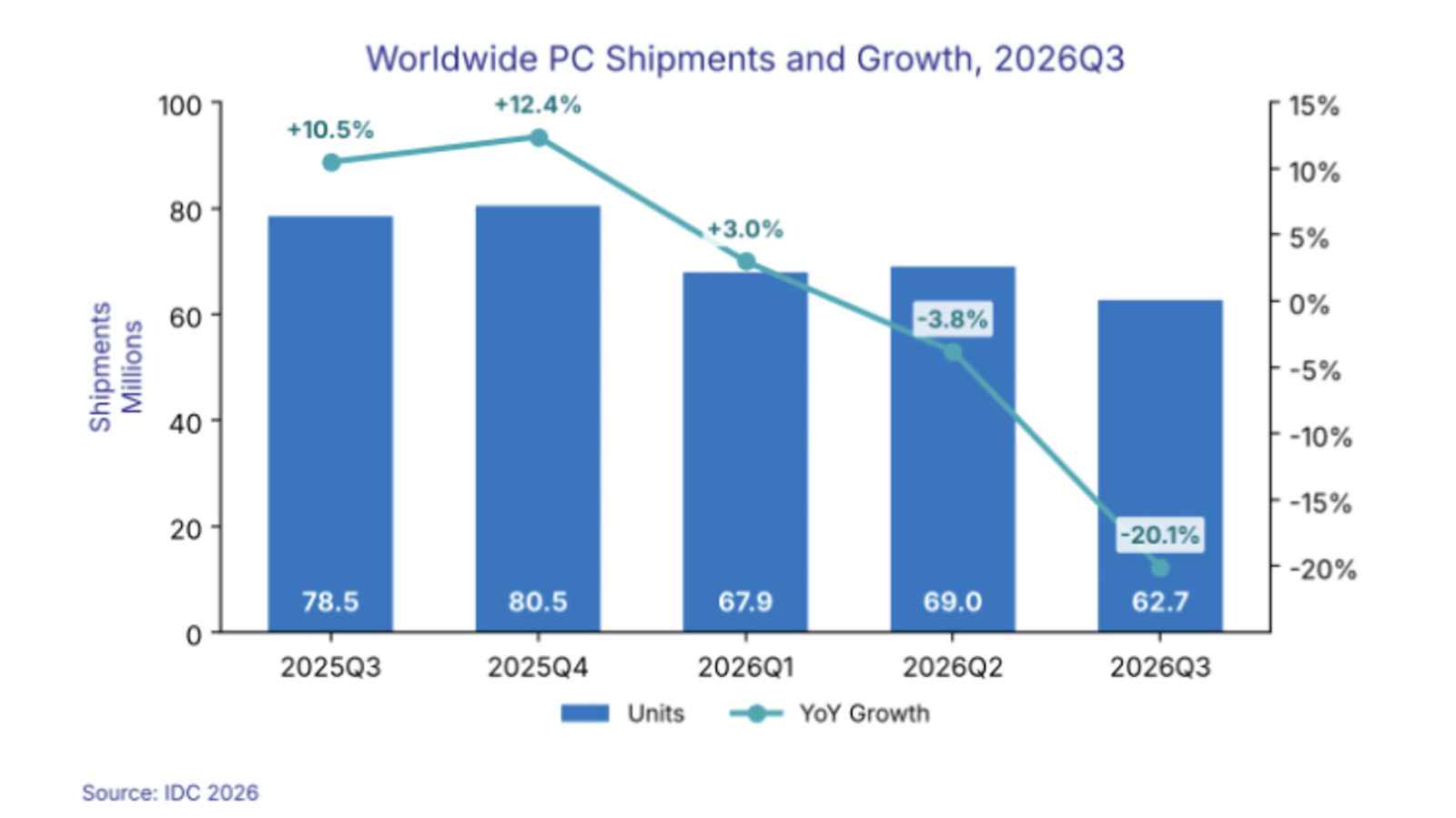
Global PC shipments fell 20% in the third quarter of 2026

IMF and World Bank to warn central bankers of gathering storm

IEA urges members to consider releasing more diesel from strategic reserves

Stellantis plans affordable small EVs to revive its European business
Globalization Expands Despite a Decade of Political Pushback

Volkswagen chief backs EU plan to support European industry

Tesla renames its European driver-assistance system after regulator criticism

SoftBank seeks up to $100 billion from Gulf investors for AI