Health · Medical Research · 1 day ago
Scientists identify a waste-drainage route at the back of the eye
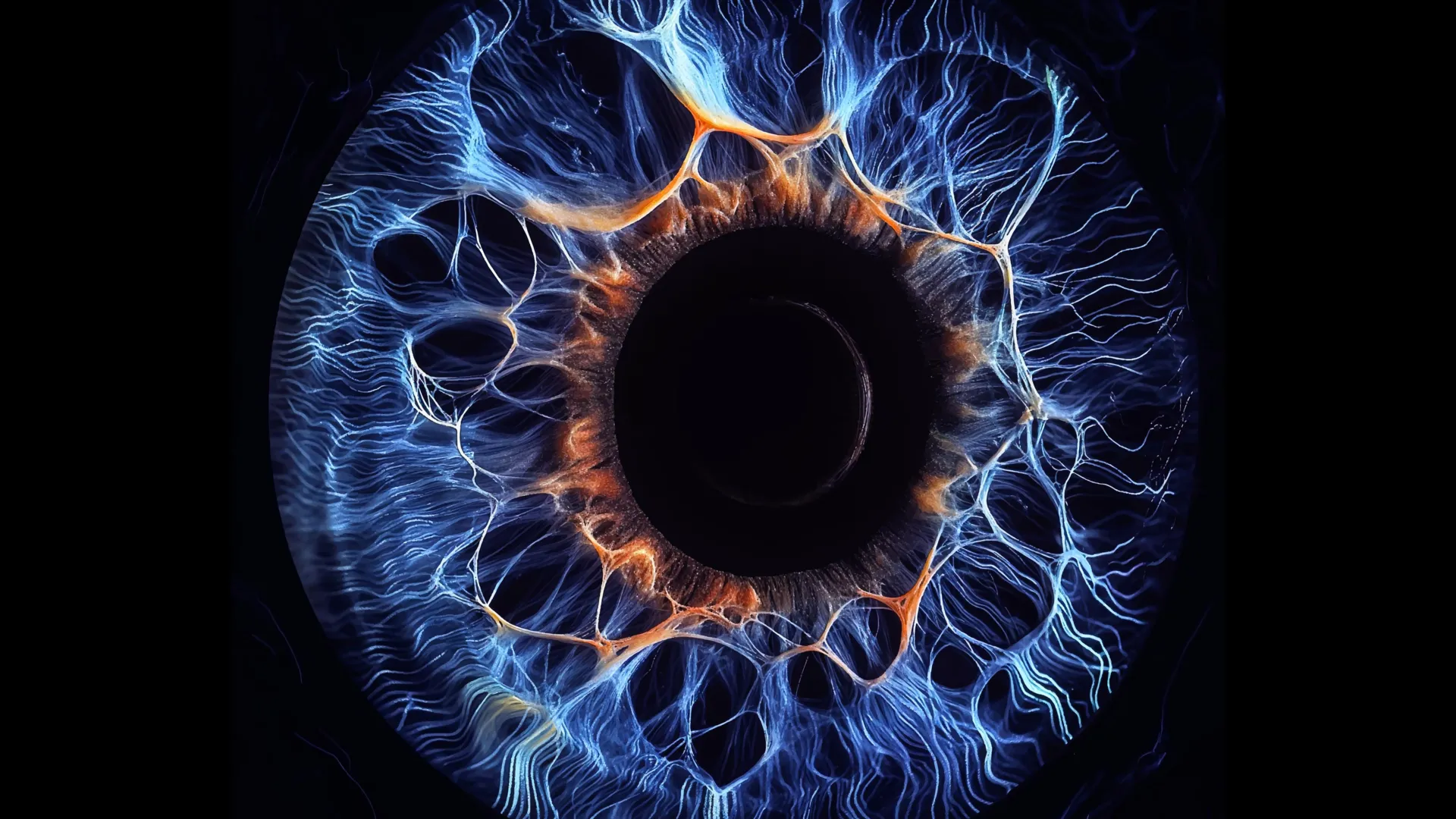
Researchers from the University of British Columbia and the University of Toronto identified a drainage route at the back of the eye, called the POLO pathway.
In mice, it appeared to carry fluid and waste from the eye into the body's lymphatic network.
The retina, the light-sensitive tissue at the back of the eye, uses a lot of energy and produces waste that must be cleared.
For more than a century, scientists generally believed the eye lacked the lymphatic drainage found in most other organs.
A drainage route in the front of the eye was identified in 2009, and this new finding points to another route farther back.
Waste buildup and changes in fluid regulation are associated with conditions including glaucoma and age-related macular degeneration, which can cause lasting vision loss.
The finding gives researchers a new way to study how the eye clears waste, but it has not yet established a treatment.
Researchers say the next question is whether this cleanup system can be strengthened or used to help prevent or treat disease.

Researchers from the University of British Columbia and the University of Toronto identified a previously unknown drainage route at the back of the eye.
The route, called the posterior ocular lymphatic outflow, or POLO pathway, appears to carry fluid and waste into the body's lymphatic network.
The finding was demonstrated in mice and may help researchers investigate how waste removal affects eye health.
The discovery could eventually suggest new approaches to conditions linked to fluid and waste accumulation, including glaucoma and age-related macular degeneration.
- Who
- A research team from the University of British Columbia and the University of Toronto.
- What
- Researchers identified a drainage route called the posterior ocular lymphatic outflow, or POLO pathway.
- When
- The article was published on October 11, 2026. The research date is not stated.
- Where
- At the back of the eye; the finding was demonstrated in mice.
- Why
- To explain how fluid and waste leave the back of the eye and investigate possible relevance to eye diseases.
This story does not have two clearly opposing sides.
This discovery helps explain how the eye flushes this waste and promises to transform how we think about and treat a range of eye conditions.
This gives us a whole new framework for understanding these diseases and a potential target for therapeutics.
Dr. Neeru Gupta and Dr. Yeni Yücel identified a lymphatic-related drainage route in the front of the eye.
ScienceDaily reported the identification of the POLO pathway at the back of the eye.
- Researchers
- Teams from the University of British Columbia and the University of Toronto
- Pathway
- Posterior ocular lymphatic outflow, or POLO
- Demonstrated in
- Mice
- Earlier finding
- A lymphatic-related route in the front of the eye was identified in 2009
- Potentially relevant conditions
- Glaucoma and age-related macular degeneration
Sources
Related news

Pope Leo to have surgery to remove an early-detected lung nodule

Cardiologist says weight-loss injections may help improve heart health

Greek study linked diet quality with heart failure over 20 years
Severe long Covid linked to differences in mouth and lung microbes

Women with bipolar disorder and regular cycles report more severe premenstrual symptoms

Intensive breathwork linked to changes in brain blood flow and communication

Pope Leo XIV to have surgery to remove early-stage lung nodule

Pope Leo XIV to have lung nodule removed in surgery this week

Worsening vision linked to higher dementia risk in 16-year study

Seven days of strength training changed fat tissue in obese mice

Pope Leo XIV says he will have a lung nodule removed