Health · Medical Research · 20 hrs ago
Olive oil before glucose reduced blood sugar rises in mice
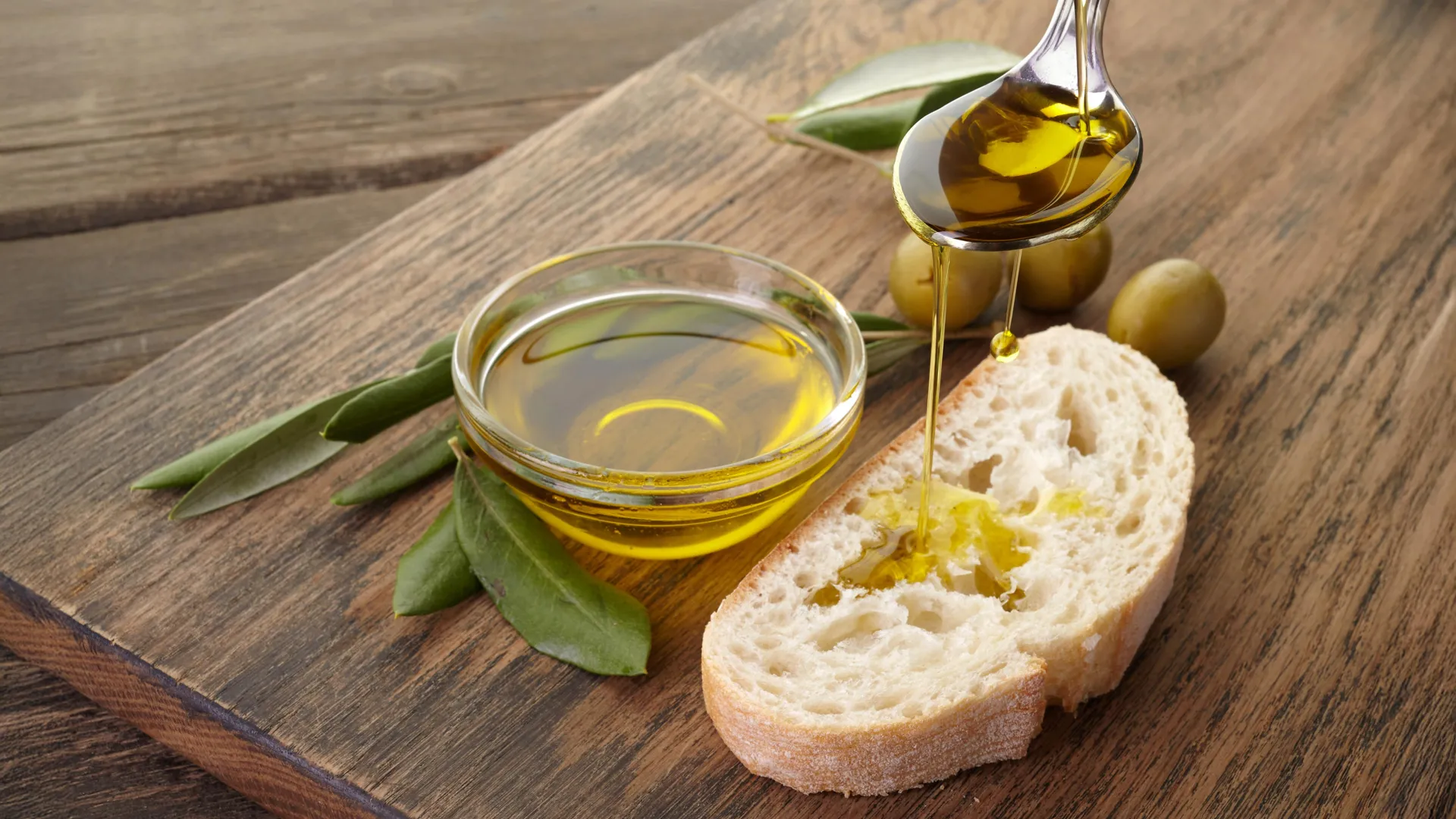
An international research team tested how the order of fat and sugar affects blood sugar in mice.
Some mice received olive oil 15 minutes before glucose, while others received glucose first or water before glucose.
Mice given olive oil first had a smaller initial rise in blood sugar and slower movement of food from the stomach into the intestine.
They also showed early changes in hormones involved in blood sugar regulation.
The effect was seen in mice with type 2 diabetes and in mice with severe insulin deficiency.
Keeping blood sugar from rising too high after meals is important in diabetes management, and earlier clinical studies have suggested that eating fat, protein or vegetables before carbohydrates may help.
These results come from mice, so they do not establish that the same effects occur in people.

In mice, eating olive oil before glucose led to a smaller initial rise in blood sugar than eating the oil afterward.
The oil was given 15 minutes before or after glucose in the experiments.
Fat before glucose also slowed the rate at which the stomach emptied and prompted early increases in several hormones involved in blood sugar regulation.
The researchers said the effects were also observed in mice with type 2 diabetes and severe insulin deficiency.
The findings suggest that the order of foods may affect blood sugar, but the reported experiments were conducted in mice.
- Who
- An international research team studied the effects in mice. The corresponding author was Daisuke Yabe of Kyoto University.
- What
- The researchers found that olive oil before glucose reduced the initial blood sugar rise compared with olive oil afterward.
- When
- The article was published on 2026-10-11. In the experiments, olive oil was given 15 minutes before or after glucose.
- Where
- The research was conducted in mice; the article does not state where the experiments took place.
- Why
- The researchers investigated how the timing of fat intake affects blood sugar, hormones and stomach emptying.
This story does not have two clearly opposing sides.
Our group has long been interested in practical dietary approaches that people can continue in everyday life
Meal-sequencing is appealing because it merely changes how a meal is eaten rather than requiring people to avoid entire food groups.
The mice were assigned to groups receiving water then glucose, olive oil then glucose, or glucose then olive oil.
In the two test groups, the mice received glucose after olive oil or olive oil after glucose.
- Study subjects
- Mice
- Fat tested
- Olive oil
- Interval between foods
- 15 minutes
- Blood sugar result
- The initial rise was smaller when olive oil came before glucose
- Additional groups
- Mice with type 2 diabetes and severe insulin deficiency
Sources
Related news

Pope Leo to have surgery to remove an early-detected lung nodule

Pope Leo XIV to have surgery to remove early-stage lung nodule

ADHD and Later Cognitive Diagnoses: Why the Risk Estimate Needs Context

Higher Pre-Surgery A1c Linked to Macular Edema Risk After Cataract Surgery

Pope Leo XIV to have lung nodule removed in surgery this week

PRIMA retinal implant showed control of geographic atrophy for up to 3 years

Presley Gerber died at 27 after years of public struggle with addiction

Chewable gummy offers another oral-care option for people with dementia

Study asks how intense intercourse feels for each partner

Pope Leo XIV says he will have surgery to remove a lung lesion

Chiranjeevi urges people to seek early cancer screening