World · Europe · 19 hrs ago
Jet-powered Russian drones challenge Kyiv’s volunteer air-defence crews
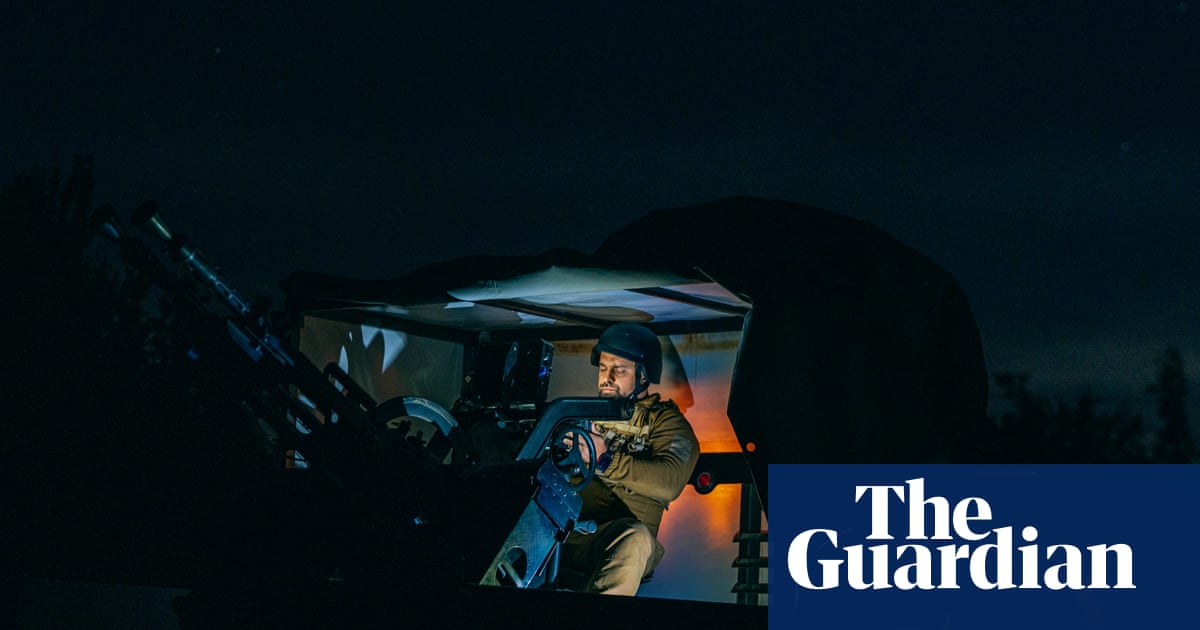
Volunteer air-defence crews help protect Kyiv, Ukraine’s capital, from Russian drone attacks.
They use machine guns at positions around the city and work as one layer of Ukraine’s air defences.
For years, these teams were effective against slower, propeller-driven Shahed drones, which Russia began launching in large numbers in late 2022.
Since the summer, Russia has increasingly used jet-powered drones that crews say can fly at about 600 kilometres per hour and reach heights of up to 10 kilometres.
Those speeds and heights can put the drones beyond the reach of the volunteers’ guns, which were designed for slower targets.
Ukraine’s interception rate for the new drones is between 50% and 60%.
The crews continue to defend the city, but the changing threat is making their work more difficult.

Russian jet-powered attack drones are challenging volunteer air-defence crews protecting Kyiv because they fly faster and higher than the crews’ guns can reach.
The drones can travel at about 600km/h and reach altitudes of up to 10km, according to the Guardian.
Ukraine’s interception rate for the new drones is between 50% and 60%.
Mriya, Kyiv’s largest volunteer air-defence formation, has relied on machine-gun teams as one layer of the city’s air defences.
The crews say they previously shot down Shahed drones in groups, but have managed to bring down only one jet drone after it slowed within range.
- Who
- Mriya, Kyiv’s largest volunteer air-defence formation, and other Ukrainian volunteer crews.
- What
- The crews are struggling to intercept faster, higher-flying Russian jet-powered drones with their machine guns.
- When
- Russia has increasingly deployed the drones since the summer. The article was published on 11 October 2026.
- Where
- Kyiv and its outskirts, Ukraine.
- Why
- The drones fly faster and higher than the volunteers’ guns can reach, and the crews’ sights were designed for slower targets.
This story does not have two clearly opposing sides.
They’re so fast, it’s extremely difficult to hit them. Our weapons simply can’t reach them. Often, we can hear them but can’t see them. It drives us crazy
There’s this feeling of helplessness
The Shahed no longer fits inside our aiming grid
We live a double life. During the day, I deal with paperwork. At night, I shoot down drones
Ukraine has relied on unpaid volunteers as one layer of its air-defence network.
Russia began launching Iranian-designed Shahed drones en masse.
Russia has increasingly deployed jet-powered drones that crews say fly faster and higher than the original propeller-driven Shaheds.
The Guardian accompanied Mriya crews at outposts around Kyiv.
- Drone speed
- About 600km/h (373mph), according to crews
- Drone altitude
- Up to 10km
- Interception rate
- 50% to 60% for the new drones
- Volunteer formation
- Mriya, Kyiv’s largest volunteer air-defence formation
- Crew record
- One jet drone shot down after it slowed within range of the guns
Sources
Related news

Trump says Russia and Ukraine agreed to energy ceasefire

Trump-Putin diesel deal draws Ukraine’s criticism as experts doubt price impact
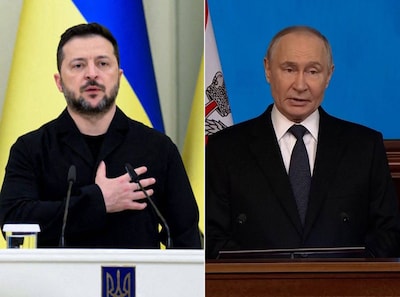
Russia strikes Ukrainian power plants after Trump announces energy ceasefire

Zelensky says Ukraine will keep striking Russian oil refineries

Man dies after entering tiger enclosure at wildlife park in northern England

Trump announces energy ceasefire between Russia and Ukraine

UK prime minister says Russia interfered in 2016 Brexit vote

Carney says U.S.-Russia diesel deal undermines efforts to end Ukraine war
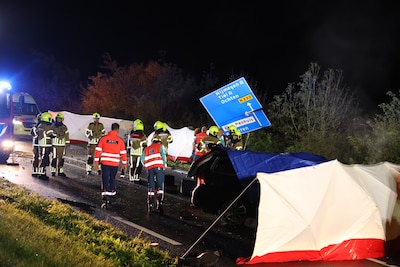
Two dead and two injured in crash near Kesteren
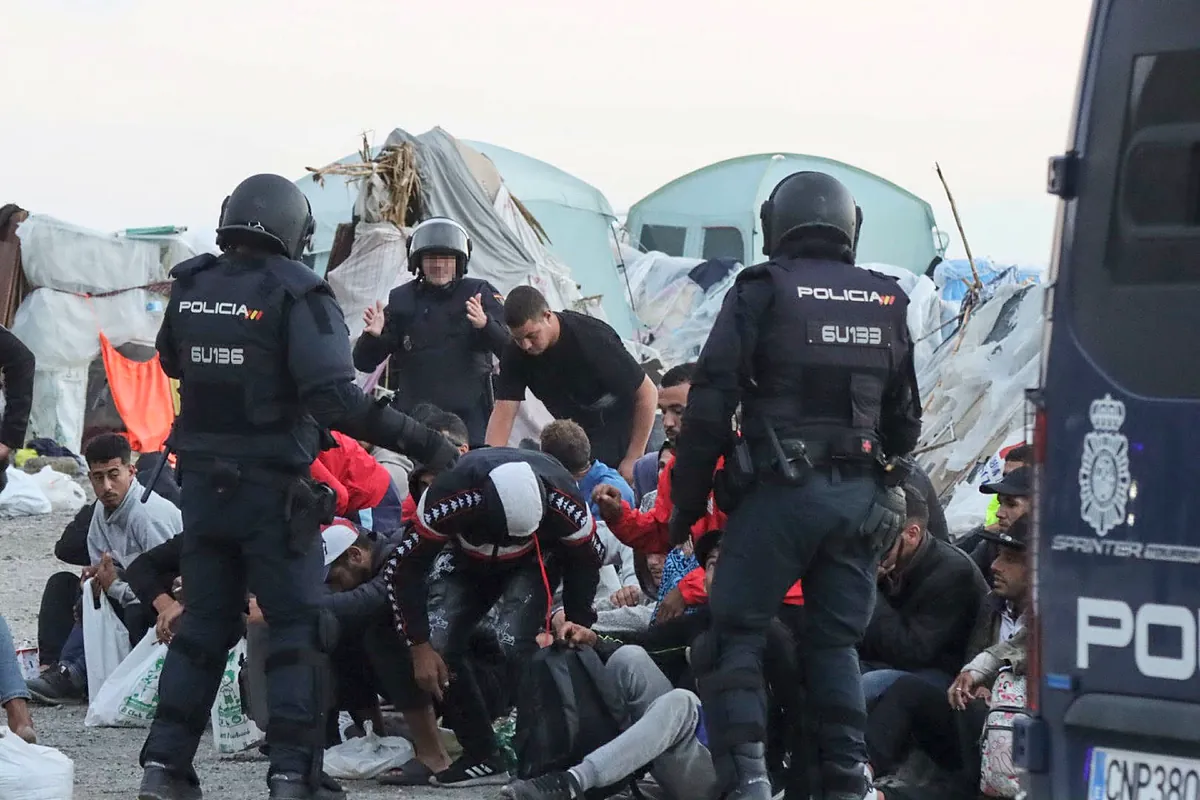
Police clear Ceuta’s last major migrant encampment
Swiss Helicopter accused of exceeding flight limits in Bernese Oberland