

World · Africa · 1 hr ago
Western Indian Ocean countries urged to fund joint marine conservation
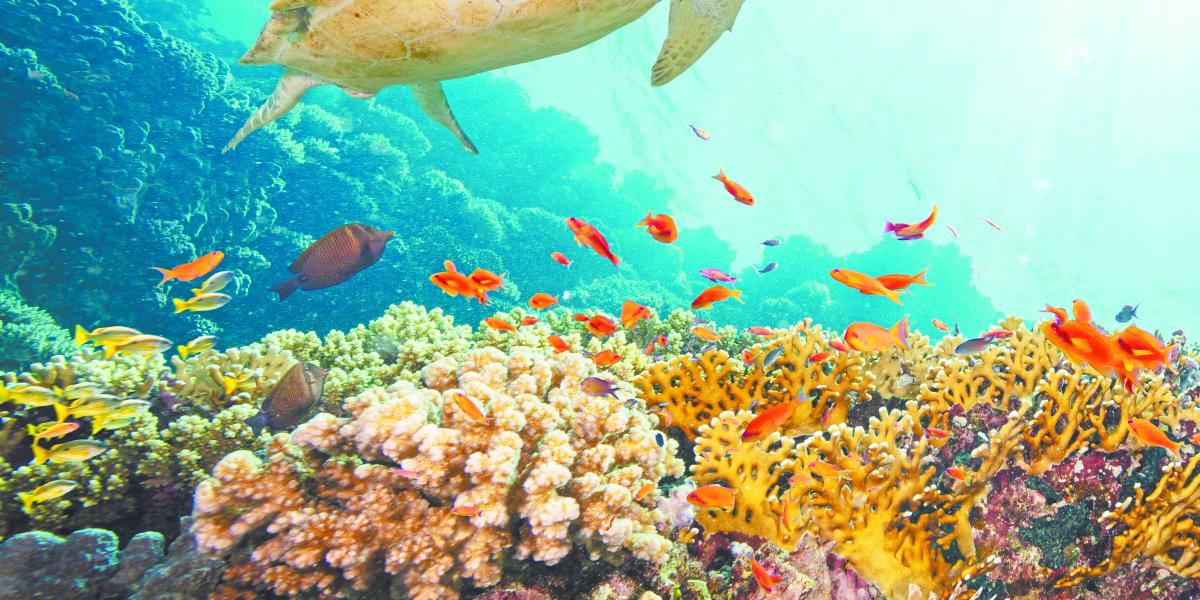
Sea turtles travel between South Africa, Mozambique and Madagascar, showing why marine conservation cannot stop at national borders.
Countries need to work together and ensure conservation funding can support efforts across the region.
About 60 million people live within 100 kilometres of the western Indian Ocean coast, where healthy marine ecosystems support food, jobs, trade, tourism and protection from storms.
Under the Nairobi Convention, governments have committed to stronger cooperation, and a regional strategy sets out the direction for ocean governance.
The shared goal is to protect 30% of marine and coastal areas by 2030, which requires science, effective management, law enforcement, community involvement and investment in sustainable livelihoods.
A new international agreement on marine biodiversity beyond national waters creates further possibilities, and the region is urged to help shape how it is put into practice.
In Anjouan, Comorian women formed an association and temporarily closed part of a reef to octopus fishing, illustrating how communities can help manage shared resources.

Western Indian Ocean countries are urged to create funding mechanisms for joint marine conservation.
The article says shared funding is needed because migratory species and connected marine habitats cross national borders.
Governments have committed through the Nairobi Convention to stronger cooperation on sustainable blue economies and ocean governance.
The region has a shared goal of protecting 30% of marine and coastal areas by 2030.
The article describes a community-led octopus fishing closure on Anjouan, Comoros, as an example of local conservation.
- Who
- Western Indian Ocean countries and regional leaders.
- What
- They are urged to fund joint marine conservation and cooperation.
- When
- The article was published on October 13, 2026.
- Where
- The Western Indian Ocean region.
- Why
- Migratory species and shared habitats cross national borders, and healthy marine ecosystems support food security, livelihoods, trade and tourism.
This story does not have two clearly opposing sides.
Women from three coastal villages on Anjouan formed an association.
The women temporarily closed part of their reef to octopus fishing and helped enforce the closure.
The community resumed fishing in the area.
- Regional population
- About 60 million people live within 100 kilometres of the western Indian Ocean coast.
- Conservation target
- Protect 30% of marine and coastal areas by 2030.
- Regional agreement
- Governments have committed to cooperation through the Nairobi Convention.
- Community example
- Women from three villages on Anjouan, Comoros, organized a temporary octopus fishing closure.
Sources
Related news
At least 72 gold miners killed in strike near Sudan-Egypt border

Search continues for black box and victims after Nigerian Air Force crash

At least 139 migrants dead after boat capsizes off Djibouti

Navi Pillay wins Nobel Peace Prize for work on peace and international law

Felipe VI’s planned visit to Ceuta and Melilla draws protests in Morocco

Rising gold prices linked to faster forest loss in Ghana

Joseph Kabila forms political and military alliance with M23 rebels
Saudi Crown Prince Congratulates Abiy Ahmed on Re-election as Ethiopia’s Prime Minister

Nobel laureate Navi Pillay condemns US sanctions on International Criminal Court

Drone strike on displaced people’s camp in Sudan kills 41, rights group says

UAE backs Ethiopia’s government as fighting renews in Tigray
