

Business · Companies · 6 hrs ago
Reinsurance helps insurers take on larger risks

Insurance companies limit how much risk they take on so they can pay claims without running short of money.
Reinsurance is an agreement between an insurer and a reinsurer that helps manage risks beyond that limit.
The reinsurer deals with the insurance company, not directly with the people or businesses it insures.
By sharing responsibility, insurers can cover risks larger than their own capacity would allow.
Reinsurance also spreads risk across companies and countries.
This helps the insurance market pay claims without overloading any one company.
The arrangements depend on the details of each contract.

Reinsurance allows insurers to accept risks larger than their own capacity.
A reinsurer takes on risks that exceed an insurer’s retention limit.
Reinsurance contracts are between insurers and reinsurers, not between reinsurers and policyholders.
The system spreads responsibility across markets internationally, helping insurers and reinsurers pay claims without exceeding their capacity.
The article says reinsurance is poorly understood in Brazil and in many other countries.
- Who
- Insurers and reinsurers.
- What
- Reinsurance transfers risks beyond an insurer’s capacity to a reinsurer, helping the insurer accept larger risks.
- When
- Not stated
- Where
- The system operates internationally.
- Why
- It spreads risk and helps insurers meet their obligations without taking on more than they can pay.
This story does not have two clearly opposing sides.
No direct quotes in the coverage so far.
This story does not have a timeline yet.
- Article published
- 2026-10-11
- Risk transfer
- Reinsurers accept risks above an insurer’s retention capacity.
- Contract parties
- Insurer and reinsurer
- International reach
- The article gives examples involving New York and Manaus.
Sources
Related news

Brazilian household spending is expected to slow sharply

Brazilian banks offer accounts for children with parental controls

Brazilian stocks jumped after the first round, but past elections brought declines after runoffs

Accounting skills are helping executives reach top leadership roles
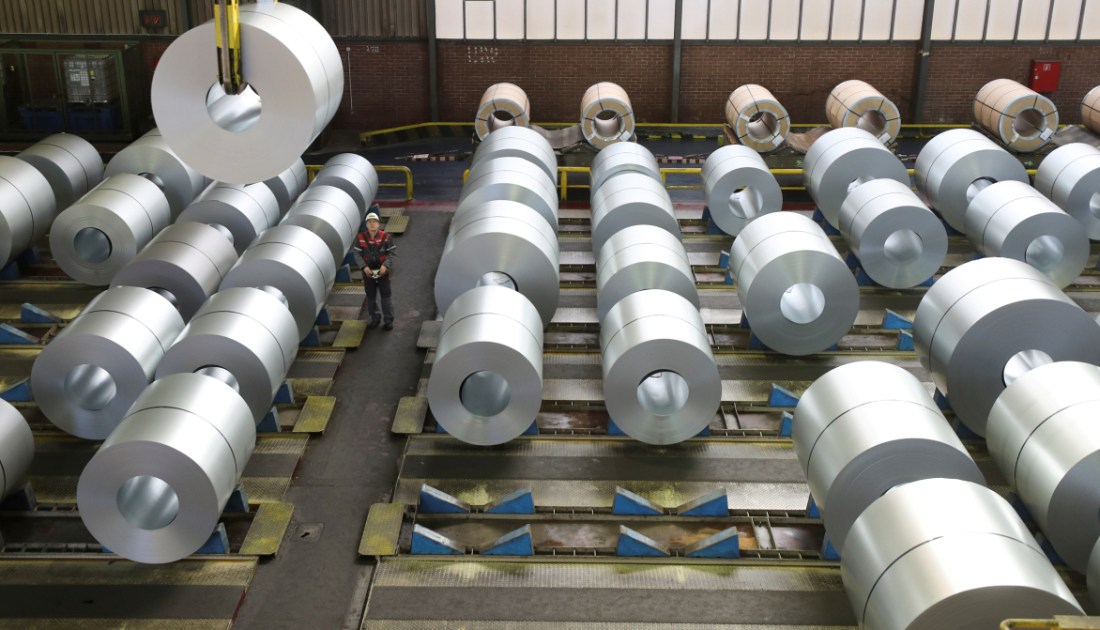
CSN agrees to sell German steel plant for €550 million

Low fees are key to making small pension savings work in Brazil

Mega-Sena draws numbers for estimated R$112 million prize

In Brazil, heirs do not pay a deceased parent's debts from their own assets

Brazil's Mega da Virada draw moved to January 1, 2027

Santander approves R$1.5 billion in payments to shareholders

AliExpress and Correios renew partnership to speed deliveries in Brazil
