Business · Companies · 5 hrs ago
Ebara’s board-led approach to choosing and developing its next leaders
Ebara is a major Japanese pump maker that faced financial strain and misconduct in the 2000s.
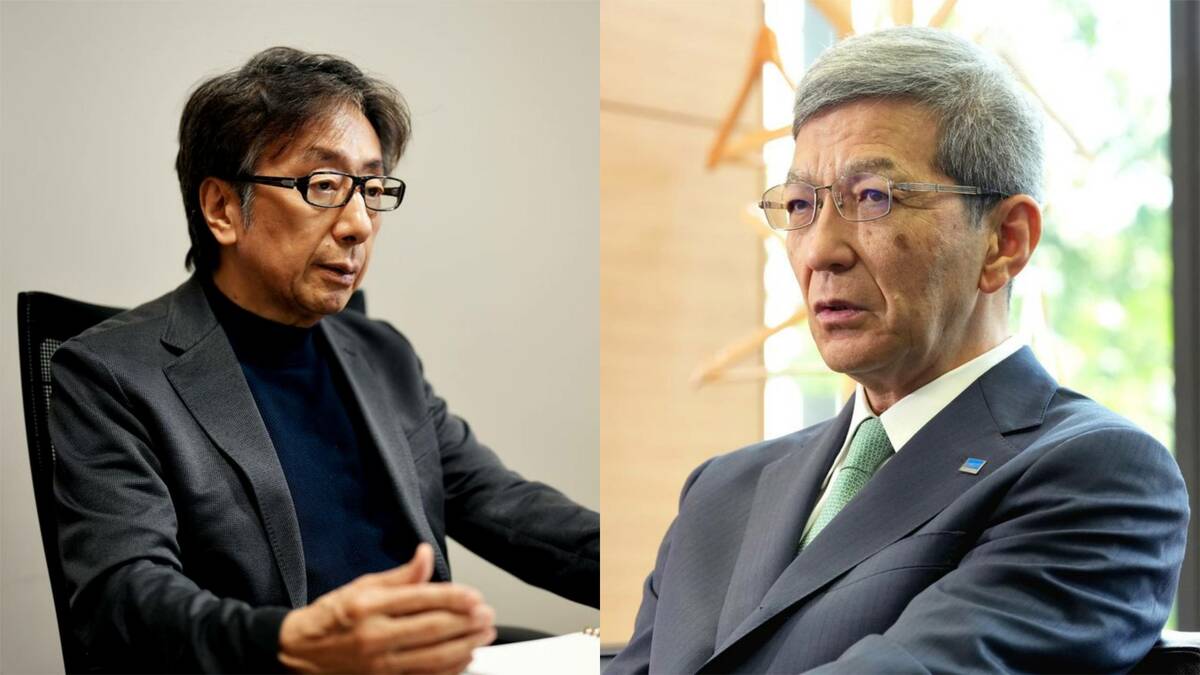
Its former president, who led the company from 2007 to 2013, questioned whether one outgoing president should choose the next leader alone.
In 2015, Ebara adopted a governance structure in which a committee led by outside directors chooses and can dismiss directors, including the president.
The committee looks at what the company will need in the future rather than relying mainly on candidates’ past results.
It took three years to select Masao Asami, who became president in 2019 and is now chairman.
Under his leadership, Ebara changed how it accepted some pump orders and improved profitability, while also benefiting from demand linked to the semiconductor boom.
Operating profit rose from 32.4 billion yen just before his appointment to 97.9 billion yen in fiscal 2024, showing the business results the company achieved under this approach.

Ebara’s board-led nomination process selects its next leaders based on future needs rather than past performance alone.
The company’s nomination committee, led mainly by outside directors, decides who becomes president and when a president should leave.
Ebara introduced the committee structure in 2015 after its former president questioned giving one executive sole authority over succession.
The process took three years to select Masao Asami, who became president in 2019.
Ebara’s operating profit rose from 32.4 billion yen in the fiscal year before Asami took office to 97.9 billion yen in fiscal 2024.
- Who
- Ebara’s board and nomination committee select and develop leaders. Masao Asami became president in 2019.
- What
- Ebara uses a board-led process to choose its president and develop its management team.
- When
- The company moved to its committee structure in 2015; Asami became president in 2019.
- Where
- Ebara, a major pump manufacturer in Japan.
- Why
- Former president Natsunosuke Yago questioned whether one individual could objectively choose the best successor and worried successors might feel pressure to follow their predecessor’s approach.
Traditional CEO-led succession
Ebara’s board-led nomination process
Decision-making
Traditional CEO-led succession
The outgoing president chooses a successor, potentially relying on personal judgment.
Ebara’s board-led nomination process
Outside directors play a central role in selecting and dismissing the president.
Basis for selection
Traditional CEO-led succession
A successor may be chosen for past achievements or as a prominent generalist.
Ebara’s board-led nomination process
The committee considers the company’s future business and the abilities it will need.
Natsunosuke Yago served as Ebara’s president.
Yago, then chairman, led Ebara’s move to a company with nomination, audit and compensation committees.
Masao Asami became president after a selection process that took three years.
Ebara reported operating profit of 97.9 billion yen, about three times the 32.4 billion yen recorded in the fiscal year before Asami took office.
- Company
- Ebara, a major pump manufacturer
- President’s term
- Maximum of six years
- Committee structure
- Nomination, audit and compensation committees
- Selection process
- Three years to choose Masao Asami
- Operating profit
- 97.9 billion yen in fiscal 2024
What people are saying
Is it really right to summon a close aide behind closed doors one day and suddenly say, “I’m counting on you next”?
not “what came before” but “what comes next
Sources
Related news

Japan's wholesale prices rise 6.8% in September

Report maps Japan’s AI startups, investors and funding

Omron to buy US industrial computer maker OnLogic for about $630 million
Kioxia shares fall as investors worry about competition from Chinese chipmaker
Japan Mobility Show opens for business-focused technology partnerships

Legal AI company Harvey plans Japan office in early 2027

Tokyo shares open lower as chip stocks and Middle East tensions weigh

Nikkei average opens lower as US chip stocks fall
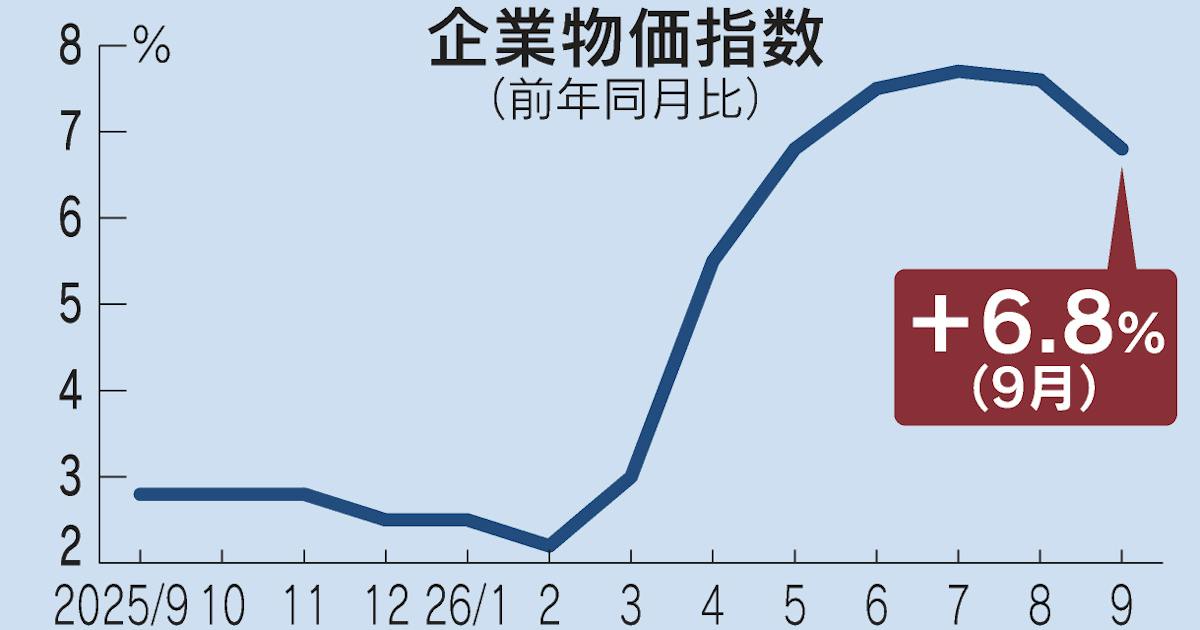
Japan’s corporate goods prices rose 6.8% in September, at a slower pace
Japanese bond futures fall as rising oil prices fuel inflation concerns
Yen falls to around 158.5 per dollar as oil prices rise