

World · North America · 1 day ago
U.S. imposes financial sanctions on the International Criminal Court
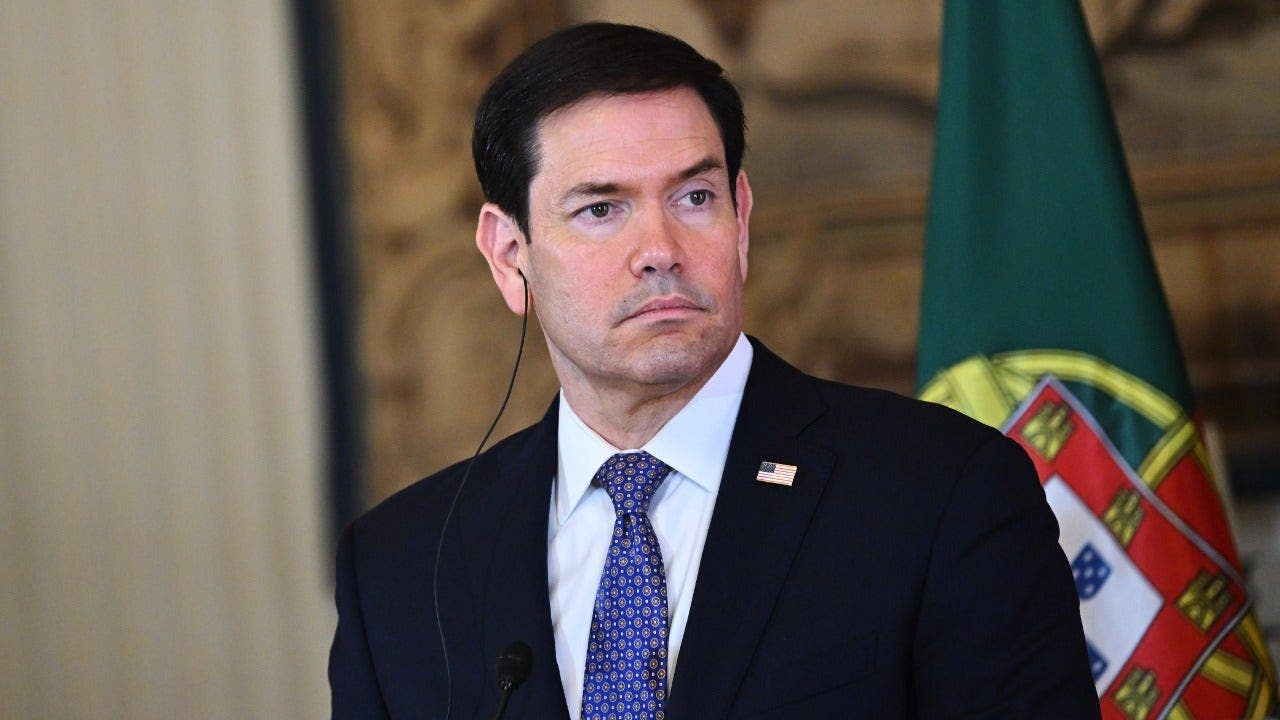
The U.S. has announced financial sanctions against the International Criminal Court, based in The Hague in the Netherlands.
Secretary of State Marco Rubio said the administration wants to dismantle the court.
The ICC investigates and prosecutes genocide, crimes against humanity, war crimes and the crime of aggression, and has 125 member states.
The administration says it objects to the court’s claimed authority over U.S. personnel overseas.
The ICC previously allowed an investigation into alleged war crimes by U.S. personnel in Afghanistan, but later focused on alleged crimes by the Taliban and ISIS-K.
The sanctions freeze ICC assets under U.S. jurisdiction and generally bar Americans, U.S. businesses and banks from transactions with the court.
They will not take effect immediately: the Treasury Department has given the ICC a 180-day license to maintain its operations.

Secretary of State Marco Rubio announced sweeping U.S. financial sanctions against the International Criminal Court.
The measures target the court itself, marking the first time the U.S. has gone after the institution, according to Fox News.
Assets subject to U.S. jurisdiction will be frozen, and Americans, U.S. businesses and banks will generally be barred from transactions with the court.
The sanctions will not take effect immediately; the Treasury Department gave the court a 180-day general license to maintain operations.
The ICC condemned the move and said it would continue to operate despite the penalties.
- Who
- The Trump administration, announced by Secretary of State Marco Rubio, imposed the sanctions on the International Criminal Court.
- What
- The U.S. announced financial sanctions against the court, including asset freezes and restrictions on transactions.
- When
- Rubio announced the move on Friday, October 9, 2026.
- Where
- The sanctions target the Netherlands-based International Criminal Court.
- Why
- Rubio said the court claims authority to prosecute U.S. personnel. The ICC said the sanctions aim to obstruct justice.
U.S. administration
International Criminal Court
Purpose of the court
U.S. administration
The administration says the ICC poses a threat and must end its threats.
International Criminal Court
The court says it is an independent judicial institution tasked with investigating and prosecuting serious crimes.
Effect of sanctions
U.S. administration
The administration is imposing sanctions to address what it says are threats to U.S. personnel.
International Criminal Court
The ICC says the measure obstructs justice and attacks the rule of law.
Our message is clear: the United States and the American people are not subject to the jurisdiction of this fake ICC
an assault on the rule of law and on the very foundations of the international legal order
the court will continue to operate despite the new penalties
An ICC prosecutor sought authorization to investigate alleged war crimes by U.S. military and intelligence personnel in Afghanistan.
ICC judges’ rejection of the request was overturned on appeal, allowing the investigation to proceed.
The Trump administration personally sanctioned ICC President Tomoko Akane.
Rubio announced financial sanctions against the ICC, and the Treasury Department granted a 180-day general license for the court to maintain operations.
- Sanctions announced
- October 9, 2026
- Announced by
- Marco Rubio, U.S. secretary of state
- Scope
- ICC assets under U.S. jurisdiction will be frozen
- Transaction restrictions
- Americans, U.S. businesses and banks are generally barred from transactions with the court
- General license
- 180 days
- ICC membership
- 125 States Parties
Sources

Related news

Eight people and the suspected gunman are dead after shooting in Erie
Hurricane Isaias kills four and leaves hundreds of thousands without power

NATO defence technology exercise concludes in Nova Scotia
Trump says Russia will supply diesel as fuel prices surge

Trump’s Russian diesel plan draws criticism from Republicans and Democrats

Hurricane Isaias Was First Atlantic Storm of the Season

Christa Pike returns to prison after surviving failed Tennessee execution

Nine dead after shooting in Erie, Pennsylvania

US sanctions International Criminal Court after former judge wins Nobel Peace Prize

Isaias weakens after striking Florida and Alabama, leaving hundreds of thousands without power
USS Abraham Lincoln returns to San Diego after record time at sea
