Politics · India · 1 hr ago
Delhi removes Jantar Mantar as a designated protest venue
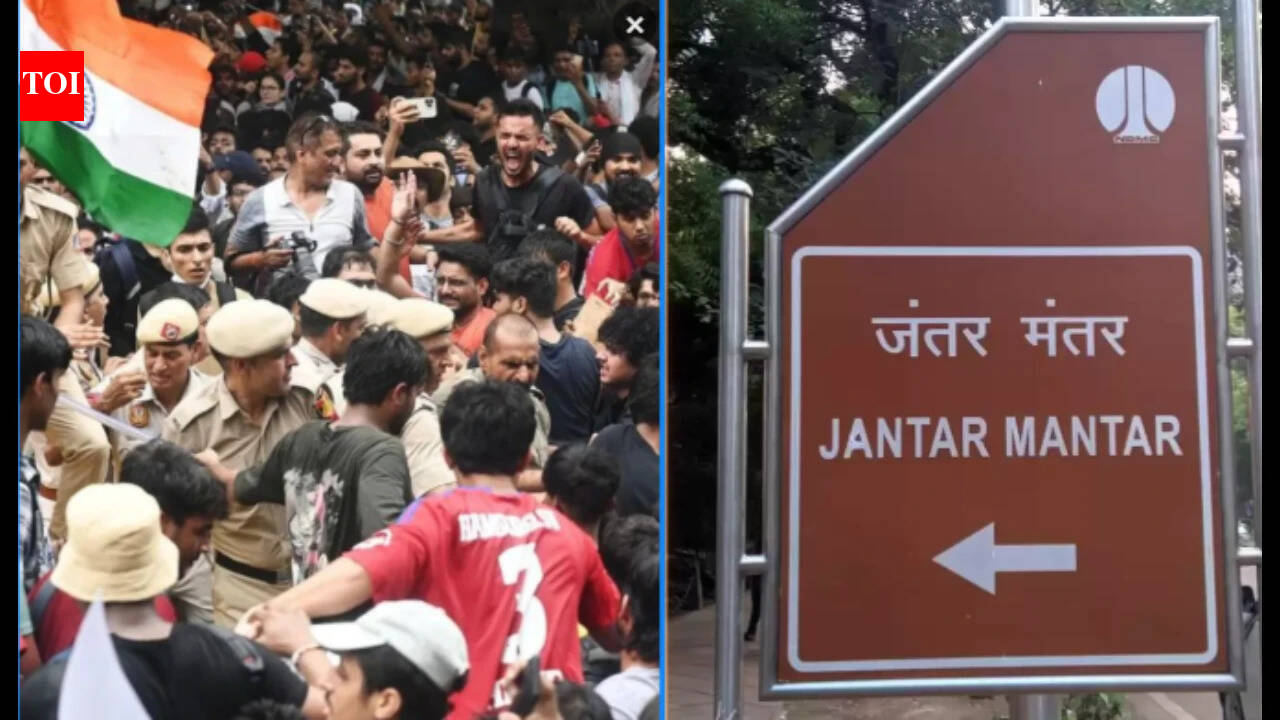
Delhi Police has removed Jantar Mantar in central Delhi from its list of designated protest venues.
Demonstrations are now designated to take place at Ramlila Ground, Burari Ground and CBD Ground in Shahdara, which are spread across the city.
Jantar Mantar had become a major protest site from around 1993, offering demonstrators a visible location near Parliament and government offices.
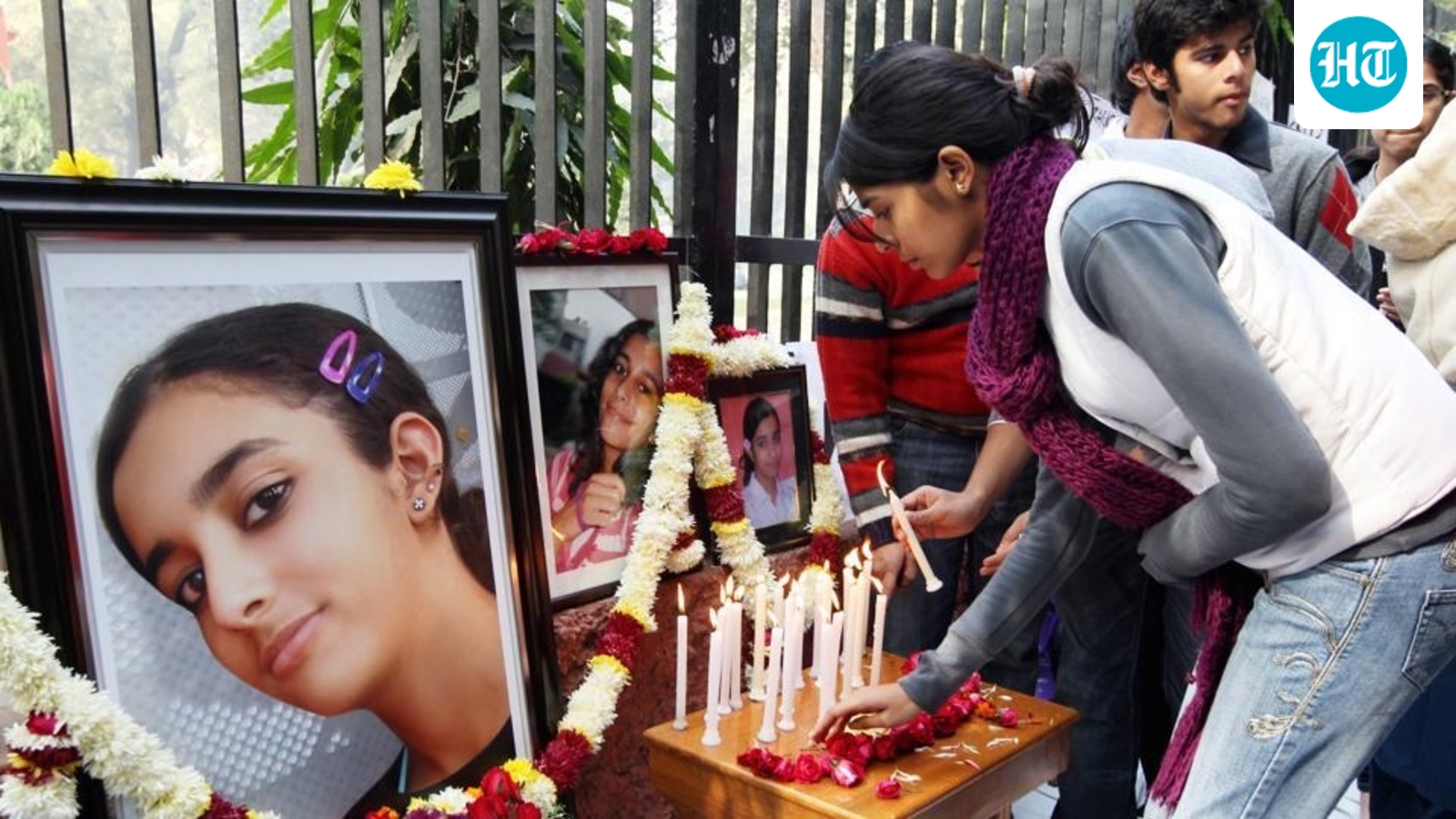
Residents later raised concerns about prolonged protests, noise, pollution, sanitation and disruption to daily life.
In 2018, the Supreme Court overturned a blanket ban on protests there, saying peaceful demonstrations are a fundamental right but can be subject to reasonable restrictions.
The latest change follows a Supreme Court call for authorities to consider better-equipped alternatives.
The change raises the question of how authorities can manage protests while preserving a practical space for peaceful dissent; no further steps are specified.

Delhi Police removed Jantar Mantar in Lutyens’ Delhi as a designated protest venue on Monday.
Police named Ramlila Ground, Burari Ground and CBD Ground in Shahdara as the new sites for demonstrations.
The move came two days after the Supreme Court called on authorities to consider better-equipped alternatives.
Jantar Mantar had been a principal permitted protest venue in the capital from around 1993.
The change revives questions about balancing residents’ rights and public order with the right to peaceful protest.
- Who
- Delhi Police removed the designation. The Supreme Court had called on authorities to consider alternatives.
- What
- Jantar Mantar was de-notified as a designated protest venue, and three other sites were named for demonstrations.
- When
- Monday. The move came two days after the Supreme Court’s call.
- Where
- Jantar Mantar in Lutyens’ Delhi; the named alternatives are Ramlila Ground, Burari Ground and CBD Ground in Shahdara.
- Why
- The article says the move followed the Supreme Court’s call to consider better-equipped alternatives. It does not state a more specific reason for the decision.
Residents of Jantar Mantar Road
Protesters and supporting organisations
Noise, pollution and disruption
Residents of Jantar Mantar Road
Residents said demonstrations caused noise and air pollution, sanitation problems and disruption to daily life.
Protesters and supporting organisations
Protesters and supporting organisations argued that banning the site cut off a visible, practical platform for peaceful assembly near the seat of government.
Use of the site
Residents of Jantar Mantar Road
Residents complained that tents and other structures remained for months or years.
Protesters and supporting organisations
Protesters argued that restrictions should not eliminate access to a place for peaceful protest.
Jantar Mantar became the principal venue where protests in the capital were permitted.
The National Green Tribunal ordered authorities to stop protests and remove temporary structures from Jantar Mantar Road.
The Supreme Court set aside the blanket prohibition, holding that peaceful demonstrations are a fundamental right subject to reasonable restrictions.
The Supreme Court called for authorities to consider better-equipped alternatives.
Delhi Police de-notified Jantar Mantar and named three other sites for demonstrations.
- New protest sites
- Ramlila Ground; Burari Ground; CBD Ground in Shahdara
- Previous principal venue
- Jantar Mantar, from around 1993
- NGT order
- October 2017
- Supreme Court ruling
- July 23, 2018
- Police action
- Monday, as reported on October 13, 2026
Sources
Related news
India appoints four new governors and transfers two others
Kerala Congress deletes post telling India’s chief justice to resign

Delhi High Court declines to block AJL from seeking release of attached properties
Supreme Court bar groups condemn Keralam Congress post seeking CJI’s resignation
NHAI requires independent design checks for complex highway structures
Opposition marches to Supreme Court over election chief and voter-roll revision
India's Supreme Court seeks caste-claim checks for Census 2027
India’s chief justice declines Congress leaders’ request for meeting on election concerns
Delhi courts to hear pleas linked to protests over voter-roll revision
Opposition marches in Delhi and petitions Supreme Court over election chief

India advances proposal for three more Kalvari-class submarines