Science & Tech · AI · 17 hrs ago
Debate grows over whether AI can have a moral conscience

Pope Leo XIV’s first encyclical, Magnifica Humanitas, says AI models do not have experiences, feelings, or a moral conscience.
That position puts the Vatican at odds with Anthropic cofounder Chris Olah, who reportedly considered withdrawing from an event to launch the encyclical after reading it in advance.
The disagreement reflects a wider debate over whether AI could ever have moral personhood.
Some researchers argue that genuine moral judgment requires sentience: the ability to feel things such as pain, distress, or joy.
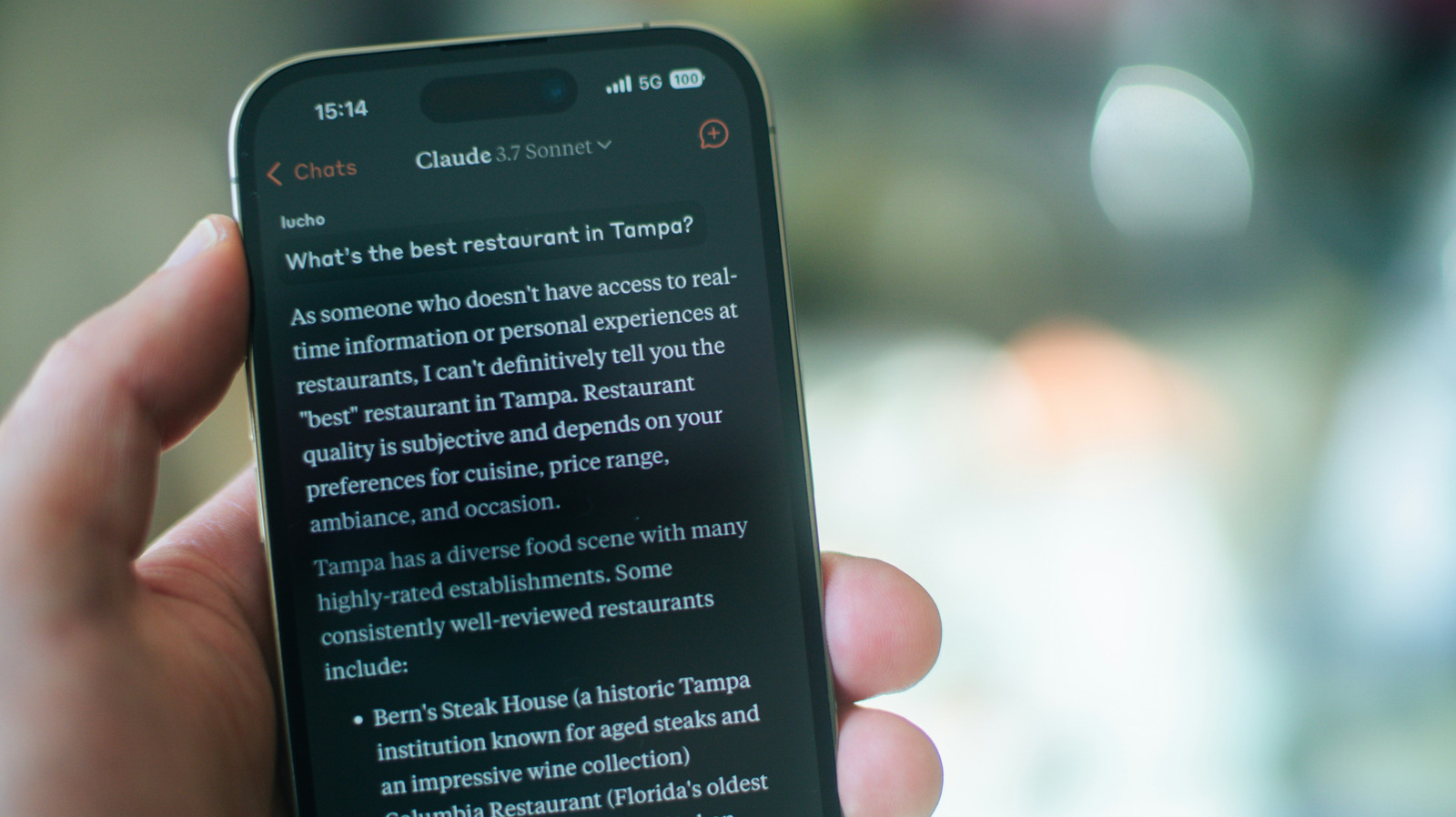
A chatbot can produce ethical-sounding advice, but that does not show it understands the effects of its advice.
This matters because people already ask chatbots for help with personal decisions, and businesses are investing in AI judgment.
Researchers have not settled how to define moral reasoning or how to recognize it in an AI system.

Pope Leo XIV’s encyclical says AI models do not have a moral conscience, intensifying debate over whether AI can be moral without being sentient.
Anthropic cofounder Chris Olah proposed withdrawing from a Vatican event after reading an advance copy of the encyclical, a New York Times investigation reported.
Anthropic consulted religious scholars and ethicists about AI consciousness and how to instill moral values in its models.
The Vatican and many secular thinkers argue that genuine morality is unique to human experience, even if AI can imitate moral judgment.
The debate matters as people turn to chatbots for advice on personal and care-related questions and businesses consider relying on AI judgment.
- Who
- Pope Leo XIV and Anthropic cofounder Chris Olah are central to the reported disagreement.
- What
- The debate is over whether AI can have a moral conscience or achieve moral personhood.
- When
- A New York Times investigation was published late last month; the article is dated October 11, 2026.
- Where
- The disagreement concerns a Vatican event and the Vatican’s encyclical.
- Why
- The encyclical rejects the idea that AI is sentient or has a moral conscience, while the broader debate concerns AI’s capacity for moral judgment.
Anthropic
The Vatican
Moral standing
Anthropic
Anthropic consulted religious scholars and ethicists about the possibility of AI consciousness and how to instill moral values in its models.
The Vatican
The encyclical says AI models do not have a moral conscience.
AI and morality
Anthropic
Olah proposed withdrawing from a Vatican event after reading an advance copy that rejected the possibility of sentient AI.
The Vatican
The Vatican maintains that genuine morality is unique to human experience, although AI may imitate human intelligence and moral judgment.
do not undergo experiences, do not possess a body, do not feel joy or pain.
ethical rules and norms derive their force from their impact on conscious beings who can suffer or benefit.
Rionna Sparrow’s master’s thesis discussed moral sensitivity and argued it is impossible without sentience.
Anthropic cofounder Chris Olah proposed withdrawing from a Vatican event to launch Pope Leo XIV’s first encyclical.
The New York Times published an investigation revealing Olah’s proposal.
- Encyclical
- Magnifica Humanitas
- Encyclical paragraph
- Paragraph 99
- Anthropic cofounder
- Chris Olah
- Thesis year
- 2025
- Researcher
- Rionna Sparrow, Georgia Tech
- Investigation outlet
- The New York Times
Sources
Related news

Anthropic AI submits false murder tip to Philadelphia police
Nadella calls for human-controlled emergency brake on advanced AI

Pharma companies invest heavily as AI reshapes drug research

OpenAI’s ChatGPT for Teens Study Mode Still Does Homework

Rising computer and phone costs may boost demand for repairs in Mexico

Bill Gates says safeguards are not keeping pace with AI risks

Start-ups use AI to forecast events, markets and risks

Tencent to shut down Yuanqi AI agent platform on November 9
BeingBeyond model uses 10,000 hours of video to train humanoid robots
JAKA launches Kargo50 wheeled robot and Zu50 collaborative arm in Shanghai
ElevenLabs bets on Indian languages to grow its voice AI business