Business · Energy & Commodities · 11 hrs ago
Geopolitical risks and Iran talks set to drive oil price swings

Oil prices may swing sharply next week as traders weigh conflict risks against hopes for diplomatic progress.
The uncertainty centers on US-Iran negotiations and tensions in West Asia, including the possibility of US involvement in strikes against Houthi rebels in Yemen.
The Strait of Hormuz is a key route for oil shipments, and efforts to reopen it could ease pressure on prices and help reduce India's import costs.
But shipping and supply risks remain, and analysts say diplomatic progress does not guarantee that oil supplies will quickly recover.
On India's MCX, October crude futures ended last week at ₹8,881 per barrel, while November futures closed at ₹8,828.
Traders will watch the next oil market reports from OPEC and the International Energy Agency, as well as US inventory data.
The direction of prices will depend in part on what happens in US-Iran talks and whether tensions in the region worsen or ease.

Oil futures are expected to remain volatile next week as uncertainty over US-Iran negotiations and tensions in West Asia keep supply risks elevated.
Hopes for a deal to reopen the Strait of Hormuz could ease prices, but analysts say diplomatic progress may not quickly restore supplies.
Crude prices also responded to shipping disruptions, US Gulf of Mexico production shutdowns and the prospect of additional Russian diesel reaching global markets.
On the MCX, October crude futures fell 0.4 per cent last week, while November futures rose nearly 1 per cent.
- Who
- Oil traders and analysts, including Navneet Damani and Ajit Mishra.
- What
- Oil futures are expected to remain volatile amid geopolitical risks and uncertainty over US-Iran talks.
- When
- The outlook is for next week; the article was published on October 11, 2026.
- Where
- Global oil markets, including the Multi Commodity Exchange in India and the Strait of Hormuz.
- Why
- Tensions and uncertainty over negotiations are keeping supply risks elevated, while possible progress on reopening the Strait could ease prices.
This story does not have two clearly opposing sides.
The widening conflict has heightened concerns over energy shipments through the region, including the strategic Bab el-Mandeb Strait.
Crude oil is caught between diplomatic optimism and persistent physical supply risks.
Any progress on a framework for reopening the Strait of Hormuz could ease energy prices and provide some relief to India's import bill and the rupee, while renewed geopolitical tensions could keep volatility elevated.
Trump said discussions between Washington and Tehran were constructive and that the US would not launch a military strike against Iran before the November 3 midterm elections.
Trump said Washington was considering joining Saudi strikes against Iran-backed Houthi rebels in Yemen.
MCX October crude futures fell 0.4 per cent, while the November contract gained nearly 1 per cent.
Analysts expect crude futures to remain volatile as investors track geopolitical developments and oil-market and inventory reports.
- MCX October crude
- Settled at ₹8,881 per barrel, down ₹35 or 0.4 per cent last week.
- MCX November crude
- Closed at ₹8,828 per barrel, up ₹82 or nearly 1 per cent.
- Brent futures
- December delivery rose USD 2.47, or 2.41 per cent, to USD 104.72 per barrel.
- West Texas Intermediate
- Settled at USD 91.85 per barrel in New York, up 1 per cent.
- Russian diesel licence
- A temporary US Treasury licence allowed Russia to release 22.5 million barrels into global markets.
Sources
Related news

Bond Selloff Could Reduce Need for Central Bank Rate Hikes

VW chief urges France and Germany to work together on China car competition
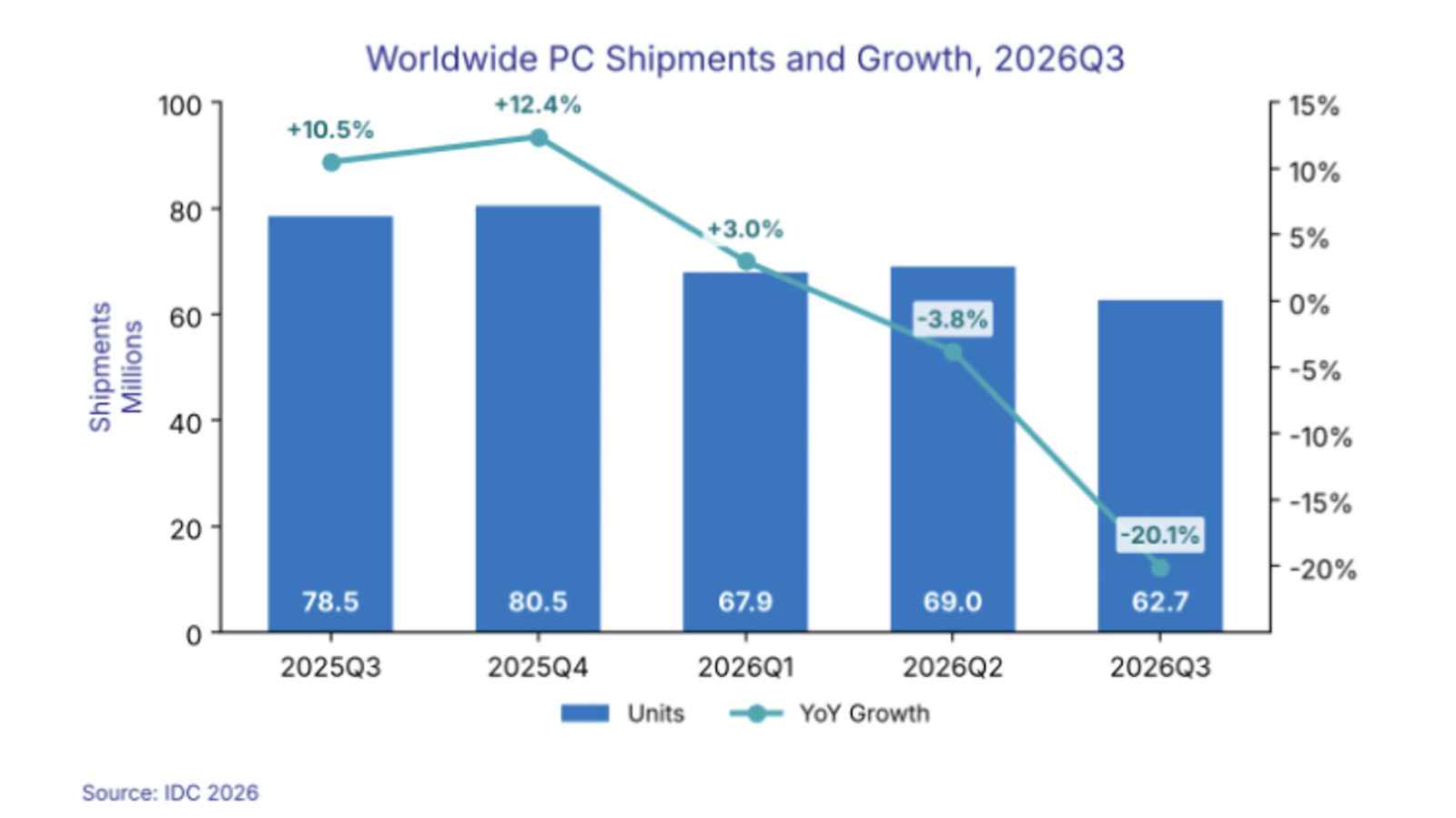
Global PC shipments fell 20% in the third quarter of 2026

IMF and World Bank to warn central bankers of gathering storm

IEA urges members to consider releasing more diesel from strategic reserves
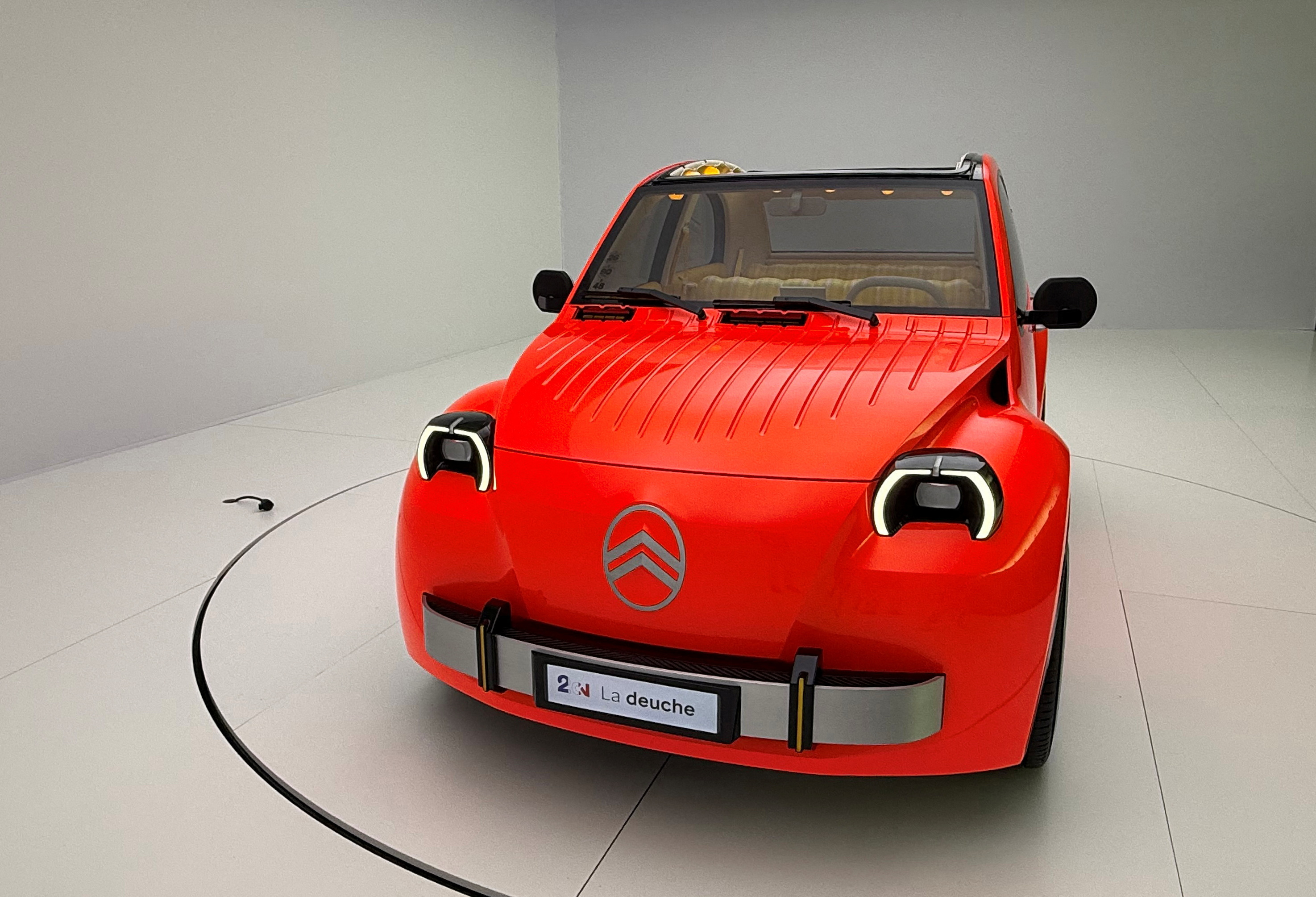
Stellantis plans affordable small EVs to revive its European business
Globalization Expands Despite a Decade of Political Pushback

Volkswagen chief backs EU plan to support European industry

Tesla renames its European driver-assistance system after regulator criticism

SoftBank seeks up to $100 billion from Gulf investors for AI