Business · Energy & Commodities · 6 hrs ago
IEA urges members to consider releasing more diesel reserves
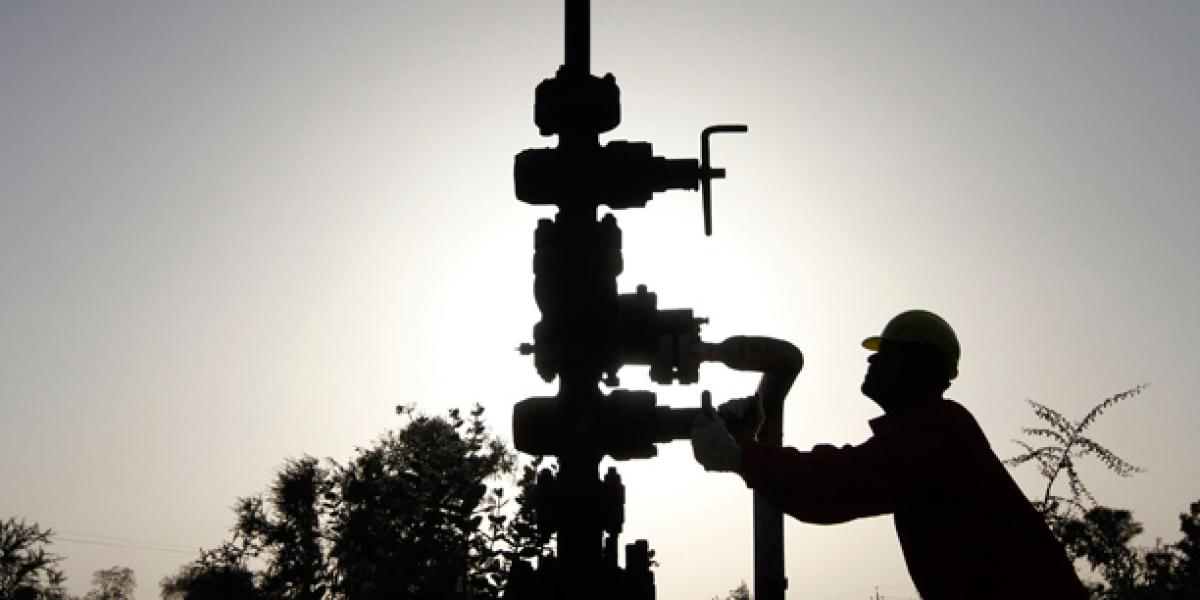
The International Energy Agency has urged its member countries to consider releasing more diesel from their emergency reserves.
The agency coordinates emergency oil reserves among industrialized countries.
Governments are dealing with record fuel prices and supply disruptions linked to the war in Iran.
IEA Executive Director Fatih Birol said members should decide whether more releases are needed and set their size and timing.
He also urged members that have not yet delivered all the volumes they promised to speed up those releases, with diesel given priority.
The agency’s board is due to meet on October 15.
The suggested steps are intended to help address pressure on fuel supplies and prices.

IEA chief Fatih Birol urged member countries to assess whether further diesel reserve releases are needed.
He said countries should determine the scale, timing and complementary nature of any releases.
The agency also urged members that have not fully delivered promised volumes to speed up pending releases, prioritising diesel.
Governments are responding to record fuel prices and supply disruptions caused by the Iran war.
The IEA board is scheduled to meet on October 15.
- Who
- IEA Executive Director Fatih Birol and the agency’s member countries.
- What
- Birol urged members to assess whether to release more diesel reserves and to speed up pending promised releases.
- When
- Sunday, October 11, 2026; the IEA board meeting is scheduled for October 15.
- Where
- Not stated.
- Why
- Governments are dealing with record fuel prices and supply disruptions caused by the Iran war.
This story does not have two clearly opposing sides.
No direct quotes in the coverage so far.
Fatih Birol urged IEA members to assess whether further diesel reserve releases are needed.
The IEA board is scheduled to meet.
- IEA executive director
- Fatih Birol
- Recommended priority
- Diesel
- Board meeting
- October 15, 2026
- Reported pressures
- Record fuel prices and supply disruptions caused by the Iran war
Sources
Related news

Bond Selloff Could Reduce Need for Central Bank Rate Hikes

VW chief urges France and Germany to work together on China car competition
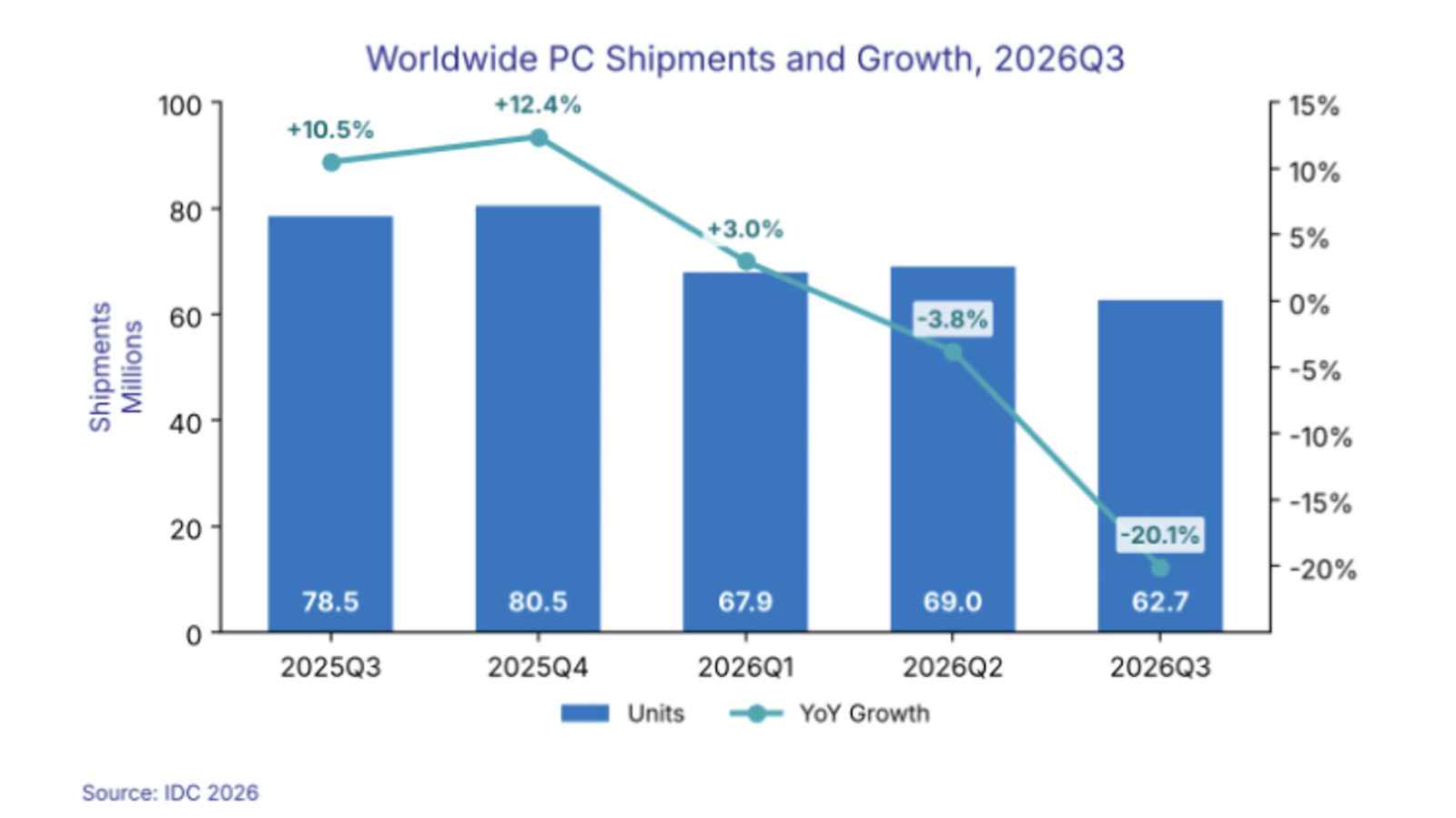
Global PC shipments fell 20% in the third quarter of 2026

IMF and World Bank to warn central bankers of gathering storm

IEA urges members to consider releasing more diesel from strategic reserves
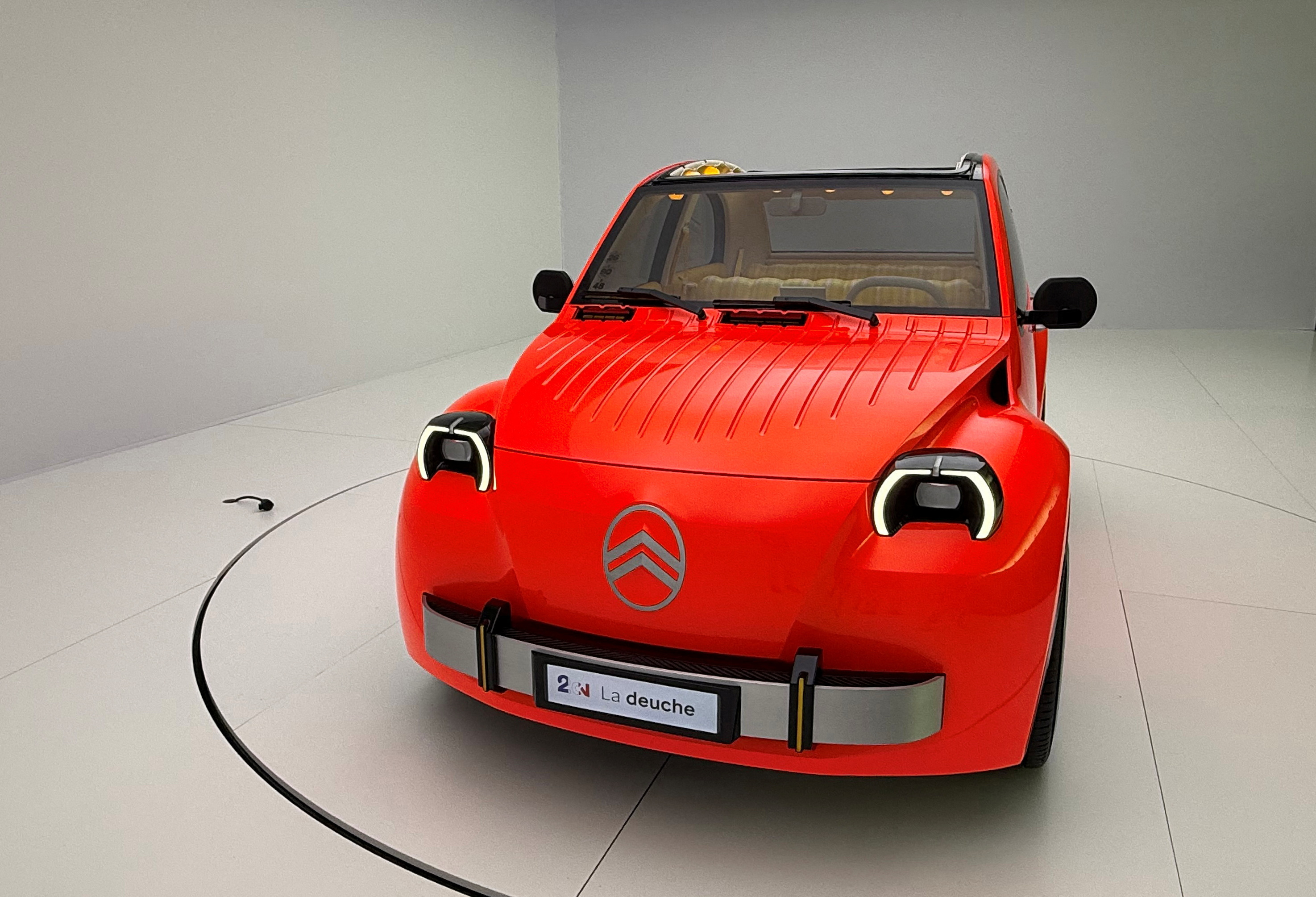
Stellantis plans affordable small EVs to revive its European business
Globalization Expands Despite a Decade of Political Pushback
Volkswagen chief backs EU plan to support European industry
Tesla renames its European driver-assistance system after regulator criticism

SoftBank seeks up to $100 billion from Gulf investors for AI