Business · Energy & Commodities · 15 hrs ago
Oil, diesel and gas prices remain high despite signs of renewed supply

Oil, diesel and gas prices remain high even as some supplies from the Gulf have resumed.
The Strait of Hormuz, a route that carried about one-fifth of the world’s traded crude before the conflict, was closed by Iran after attacks by Israel and the United States.
Markets remain unsure whether the reopening will last, while China has resumed buying oil and shipping and insurance costs have risen sharply.
Diesel supplies are also affected by damage to refineries in the Middle East and by the war between Russia and Ukraine.
US President Donald Trump announced that Russia would put 4.8 million tonnes of diesel on the world market over four months, with a temporary US sanctions waiver.
That amount is small compared with global daily consumption, and the diesel will not go to Europe because the EU maintains its embargo on Russian fuel.
The supply risks and higher costs help explain why prices have not fallen steadily, and the article gives no further steps to come.

Oil, diesel and gas prices remain high despite the return of some Gulf oil exports and a US-Russia deal to release Russian diesel.
Brent crude was about $104 a barrel on October 10, after staying near $100 for more than a month.
The European diesel price in Italy was €2.252 per litre on October 10, up from €1.66 in January.
European benchmark gas prices were above €80 per megawatt-hour, near a three-year high.
Analysts cite uncertainty over the reopening of the Strait of Hormuz, higher shipping and insurance costs, and renewed Chinese oil buying.
- Who
- Oil, diesel and gas markets, with comments from energy industry and research analysts and EU foreign policy chief Kaja Kallas.
- What
- Oil, diesel and gas prices remain high despite renewed supply signals and a US-Russia agreement on diesel exports.
- When
- The article was published on October 11, 2026; it reports prices and events through October 10.
- Where
- Global energy markets, including the Strait of Hormuz, Russia, and Italy.
- Why
- Market uncertainty, higher logistics costs, reduced refined-product flows, damage to energy facilities and increased demand are keeping prices high.
US administration
European Union
Sanctions on Russian diesel
US administration
The US Treasury suspended sanctions to allow Russia to release 4.8 million tonnes of diesel over four months.
European Union
The EU maintains its embargo and says it will not ease pressure on Russia.
The market is still skeptical about the durability of the reopening of the Strait and prices in this risk. In addition, China has resumed buying, increasing demand.
Moving an oil tanker from Saudi Arabia to Rotterdam costs 35 dollars a barrel, 17 times more than in February.
Suspending sanctions on Russian diesel gives Moscow more revenue to continue the war. This is not the time to ease pressure and Europe will not do so.
One fifth of the world's traded crude passed through the Persian Gulf, according to the International Energy Agency.
677,000 barrels of refined products a day passed through Hormuz, compared with 3.6 million before the war, according to Kpler.
Trump announced a deal for Russia to put 4.8 million tonnes of diesel on the world market over four months, with a US Treasury sanctions suspension.
Brent was $104 a barrel and diesel in Italy cost €2.252 a litre.
Corriere della Sera reported that European benchmark TTF gas prices were above €80 per megawatt-hour.
- Brent crude
- $104 a barrel on October 10
- Diesel price in Italy
- €2.252 per litre on October 10; €1.66 in January
- European benchmark gas
- TTF above €80 per megawatt-hour
- Hormuz refined-product flows
- 677,000 barrels a day in late September, versus 3.6 million before the war
- Russian diesel plan
- 4.8 million tonnes over four months
Sources
Related news

Bond Selloff Could Reduce Need for Central Bank Rate Hikes

VW chief urges France and Germany to work together on China car competition
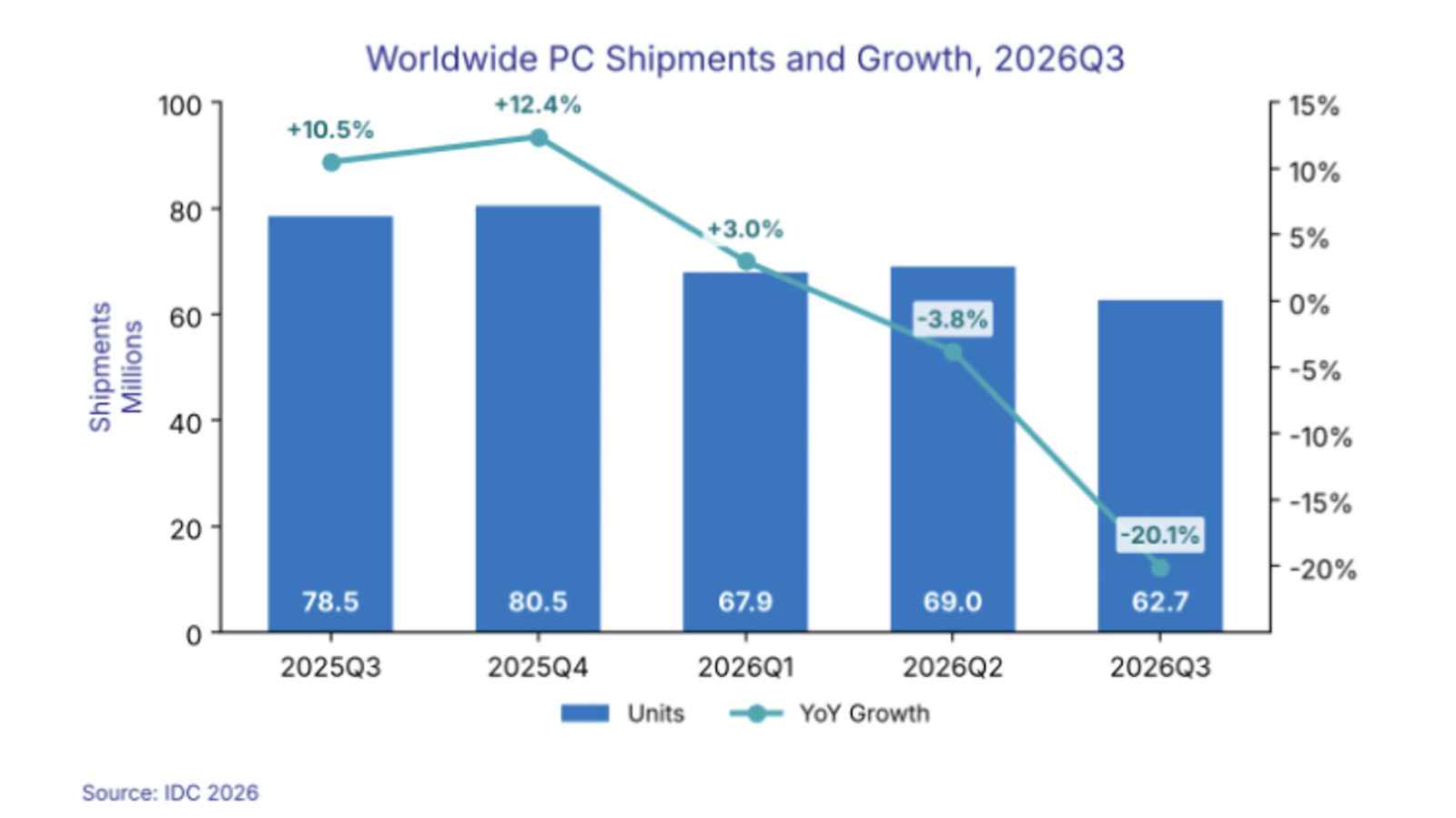
Global PC shipments fell 20% in the third quarter of 2026

IMF and World Bank to warn central bankers of gathering storm

IEA urges members to consider releasing more diesel from strategic reserves

Stellantis plans affordable small EVs to revive its European business
Globalization Expands Despite a Decade of Political Pushback

Volkswagen chief backs EU plan to support European industry

Tesla renames its European driver-assistance system after regulator criticism

SoftBank seeks up to $100 billion from Gulf investors for AI